Overview
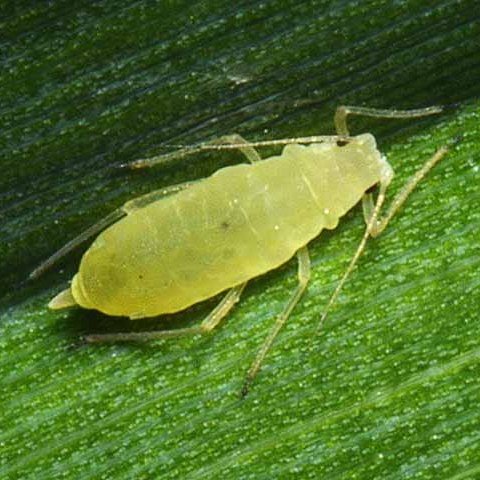
Ulster Grass Aphids is a regional term often used to describe populations of grass-feeding aphids found throughout Northern Ireland (Ulster) and surrounding temperate agricultural regions. The most important species associated with cereal crops and pasture systems are the Grain Aphid (Sitobion avenae) and the Bird Cherry-Oat Aphid (Rhopalosiphum padi). These small sap-feeding insects are among the most significant pests of wheat, barley, oats, rye, and forage grasses.
Although aphids can cause direct feeding damage by removing plant sap, their greatest economic importance comes from their ability to transmit plant viruses. In particular, they are major vectors of Barley Yellow Dwarf Virus (BYDV), one of the most destructive viral diseases affecting cereal crops worldwide. Virus-infected plants often become stunted, discolored, and less productive, resulting in substantial yield losses.
Grass aphids reproduce rapidly, especially during mild weather conditions. Their ability to produce multiple generations each year allows populations to build quickly in agricultural landscapes. In regions with relatively mild winters, such as Northern Ireland, aphids may survive year-round, increasing the risk of early-season infestations and virus transmission.
Because of their combined impact as sap feeders and disease vectors, grass aphids are closely monitored by farmers, agronomists, and agricultural researchers throughout Europe and other cereal-growing regions.
Taxonomy and Classification
- Kingdom: Animalia
- Phylum: Arthropoda
- Class: Insecta
- Order: Hemiptera
- Family: Aphididae
Grass aphids belong to the family Aphididae, one of the largest groups of plant-feeding insects. Members of this family are known for their rapid reproductive rates and their ability to transmit plant diseases.
Important species associated with cereal crops include:
- Grain Aphid (Sitobion avenae)
- Bird Cherry-Oat Aphid (Rhopalosiphum padi)
- Rose-Grain Aphid (Metopolophium dirhodum)
These species share similar feeding habits but differ somewhat in appearance, host preferences, and virus transmission efficiency.
Physical Description
Adult grass aphids are small insects typically measuring between 1 and 3 millimeters in length. Their soft bodies and rapid movement make them difficult to notice until populations become large.
- Body Shape: Pear-shaped and soft-bodied.
- Coloration: Green, olive-green, yellow-green, brown, or reddish-brown.
- Cornicles: Pair of tube-like projections extending from the abdomen.
- Antennae: Long, segmented antennae used for sensing the environment.
- Winged Forms: Some adults develop wings for dispersal and migration.
The cornicles are one of the easiest features used to identify aphids and distinguish them from other small plant-feeding insects.
Distribution and Habitat
Grass aphids are widely distributed throughout Europe, North America, Asia, and other temperate agricultural regions. In Ulster and throughout Northern Ireland, they are common pests of cereal crops, forage grasses, and pasture systems.
Typical habitats include:
- Wheat fields
- Barley fields
- Oat fields
- Pastures
- Hay fields
- Grasslands
- Roadside grasses
- Agricultural margins
Many aphid species move between primary and secondary host plants throughout the year. Some species use trees or shrubs as overwintering hosts before migrating to grasses and cereal crops during the growing season.
Life Cycle
Grass aphids possess one of the most remarkable reproductive systems among insects. During favorable conditions, females reproduce through parthenogenesis, meaning they can produce offspring without mating.
This reproductive strategy allows populations to increase extremely rapidly.
The life cycle generally includes:
- Egg stage (in colder climates)
- Nymph stage
- Adult stage
Unlike many insects, aphids do not undergo complete metamorphosis. Instead, immature nymphs resemble smaller versions of adults and molt several times before reaching maturity.
Multiple generations may occur each year, and under ideal conditions populations can double within a matter of days.
Behavior and Feeding
Grass aphids feed by inserting specialized piercing-sucking mouthparts into plant tissues and extracting sap from the phloem. This nutrient-rich fluid provides the carbohydrates and amino acids needed for growth and reproduction.
During feeding, aphids often congregate on:
- Leaf sheaths
- Leaf undersides
- Developing grain heads
- Young shoots
- Plant stems
Large colonies may form rapidly, especially when natural predators are scarce and environmental conditions remain favorable.
Damage and Economic Impact
Grass aphids cause damage through both direct feeding and disease transmission.
Direct Feeding Damage
Sap removal weakens plants and may result in:
- Reduced vigor
- Stunted growth
- Poor grain development
- Premature leaf aging
- Lower yields
Heavy infestations can significantly reduce crop productivity, particularly during sensitive growth stages.
Honeydew Production
Aphids excrete excess sugars as a sticky substance called honeydew. Honeydew accumulates on leaves and stems and encourages the growth of black sooty mold fungi.
Sooty mold reduces photosynthesis and further stresses affected plants.
Virus Transmission
The most serious impact of grass aphids is their ability to spread plant viruses. Barley Yellow Dwarf Virus (BYDV) is among the most damaging.
Symptoms of BYDV include:
- Yellowing leaf tips
- Reddish or purple discoloration
- Stunted growth
- Reduced tillering
- Poor grain production
Even relatively small aphid populations can cause significant losses if virus transmission occurs early in crop development.
Management and Prevention
Management focuses primarily on reducing aphid populations before virus transmission occurs.
Monitoring
- Regular field scouting.
- Use of yellow sticky traps.
- Monitoring aphid migration forecasts.
- Inspecting young cereal crops for colonization.
Cultural Control
- Adjust planting dates to avoid peak aphid migrations.
- Remove volunteer cereal plants.
- Maintain field sanitation.
- Use resistant crop varieties where available.
Later planting of winter cereals is often recommended in areas with predictable autumn aphid flights.
Chemical Control
Systemic seed treatments and targeted foliar insecticides may be used when monitoring indicates a high risk of infestation or virus transmission.
Treatments are generally most effective when applied before aphids establish large populations or spread disease.
Natural Enemies and Biological Control
Numerous beneficial organisms help suppress grass aphid populations.
Important natural enemies include:
- Lady beetles
- Lacewings
- Hoverfly larvae
- Parasitic wasps
- Predatory bugs
- Spiders
Conserving these natural enemies is an important component of Integrated Pest Management programs.
Research and Future Management
Research on grass aphids continues to focus on reducing the impact of virus transmission while minimizing pesticide use. Scientists are developing virus-resistant cereal cultivars, improving aphid forecasting systems, and studying climate influences on migration patterns.
Researchers are also investigating biological control methods and ways to enhance natural predator populations within agricultural landscapes.
As weather patterns continue to change, understanding aphid population dynamics and migration behavior will become increasingly important for protecting cereal production.
Conclusion
Ulster Grass Aphids are important agricultural pests that affect cereal crops and pasture grasses throughout Northern Ireland and other temperate regions. While direct feeding damage can reduce plant vigor, their role as vectors of Barley Yellow Dwarf Virus makes them particularly significant to farmers.
Successful management depends on early monitoring, prevention of virus transmission, conservation of beneficial insects, and the use of integrated pest management strategies. By combining cultural, biological, and chemical controls when necessary, growers can reduce aphid populations and protect crop yields from both feeding damage and disease.