Overview
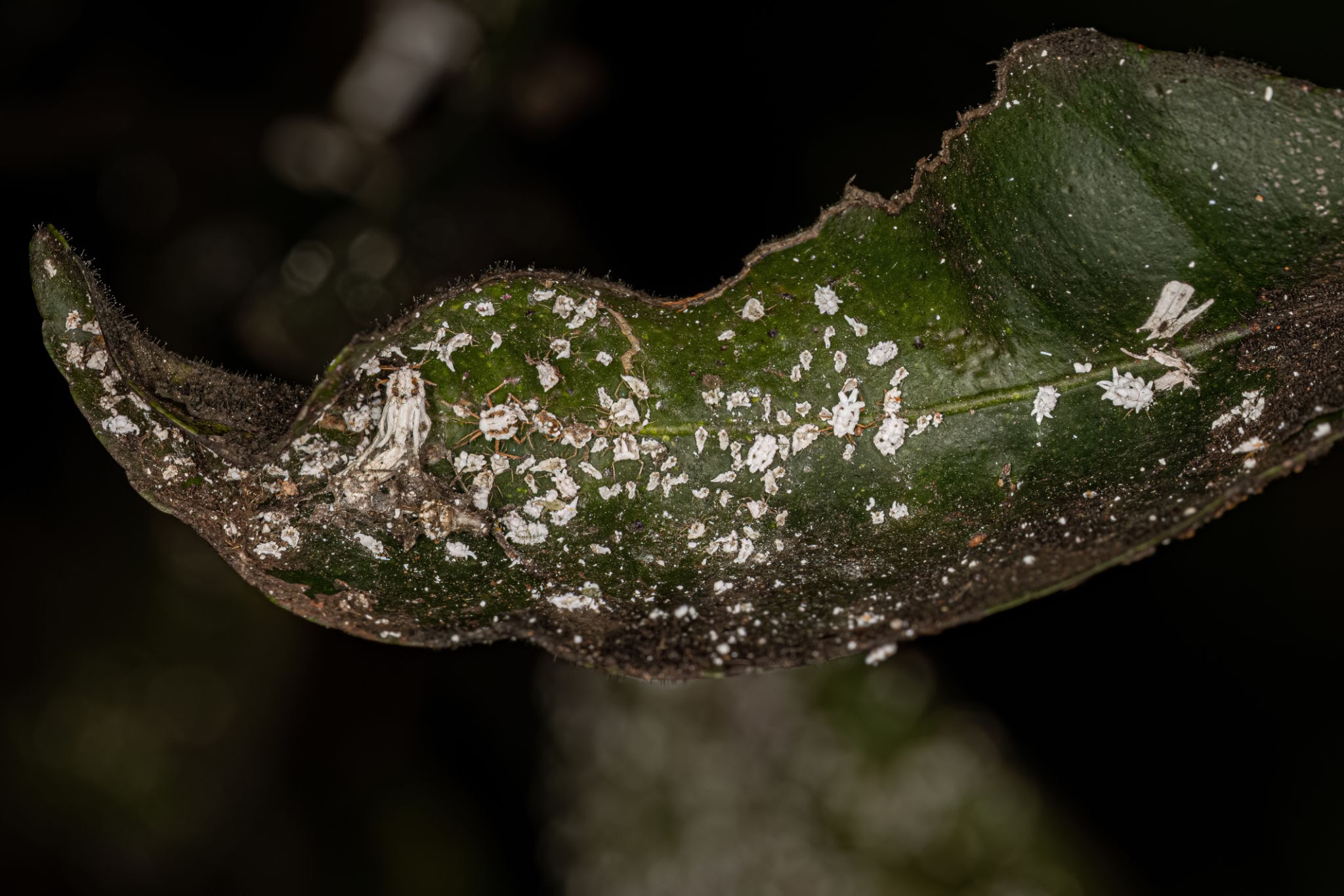
Ulmus Scale Insects are sap-feeding pests that infest elm trees (Ulmus species) and can significantly reduce tree health when populations become large. These insects belong to the superfamily Coccoidea and are commonly found attached to bark, twigs, branches, and occasionally leaves. Because they remain largely immobile throughout much of their lives and resemble small bumps or growths, infestations often go unnoticed until symptoms become severe.
One of the most important elm-associated scale insects is the European Elm Scale (Gossyparia spuria), a soft scale species known for producing large quantities of honeydew. Heavy infestations can result in leaf yellowing, branch dieback, reduced growth, and the development of black sooty mold that coats foliage and nearby surfaces.
Although scale insects rarely kill healthy mature elm trees directly, long-term infestations can weaken trees and make them more vulnerable to environmental stress, drought, disease, and secondary insect pests.
Taxonomy and Classification
- Kingdom: Animalia
- Phylum: Arthropoda
- Class: Insecta
- Order: Hemiptera
- Superfamily: Coccoidea
Ulmus Scale Insects belong to a diverse group of sap-feeding insects commonly known as scales. They are closely related to aphids, whiteflies, and mealybugs.
The European Elm Scale is among the most frequently encountered species on elm trees throughout North America and Europe.
Physical Description
Scale insects vary in appearance depending on species and life stage.
Adult Females
- Oval or elongated body shape.
- Typically 4 to 10 millimeters long.
- Brown, reddish-brown, gray, or dark purple coloration.
- Often covered by waxy secretions.
- Remain attached to feeding sites.
European Elm Scale females are especially recognizable due to their distinctive white waxy fringe surrounding the body.
Crawlers
The crawler stage is the only highly mobile stage of the life cycle.
- Tiny yellow to pale-orange insects.
- Actively move across leaves and branches.
- Seek suitable feeding sites.
- Most vulnerable stage for control measures.
Immature Scales
After settling, immature scales insert their mouthparts into plant tissue and begin feeding.
As they develop, they become increasingly stationary and protected by waxy coverings.
Distribution and Habitat
Ulmus Scale Insects are found throughout regions where elm trees grow.
Common habitats include:
- Urban landscapes.
- Residential neighborhoods.
- Parks.
- Street tree plantings.
- Commercial landscapes.
- College campuses.
- Arboretums.
- Natural woodlands.
They are most commonly found on:
- Small branches.
- Twigs.
- Leaf petioles.
- Bark crevices.
- Leaf undersides.
Life Cycle
Scale insects undergo gradual development consisting of several life stages.
- Egg.
- Crawler.
- Nymph.
- Adult.
Adult females produce eggs beneath their bodies or within protective waxy coverings.
When eggs hatch, the young crawlers disperse throughout the tree in search of feeding locations.
After settling, they insert piercing-sucking mouthparts into plant tissue and begin feeding on sap.
As development continues, mobility decreases and the insects become permanently attached to the host plant.
Many species overwinter as immature scales hidden within bark crevices and protected areas of the tree.
Feeding Behavior
Scale insects feed by inserting specialized mouthparts into the tree’s vascular tissues.
They consume nutrient-rich sap while remaining attached to a single feeding location.
Because sap contains far more sugar than the insects require, excess sugars are excreted as sticky honeydew.
Large populations may remove substantial amounts of nutrients and moisture from the tree.
Over time, this feeding stress can reduce growth and weaken overall tree vigor.
Signs of Infestation
Several symptoms can indicate the presence of Ulmus Scale Insects.
Visible Scales
Small bumps or waxy structures attached to branches and bark are often the first sign.
These insects may resemble plant growths rather than insects.
Honeydew Production
One of the most recognizable symptoms is the presence of sticky honeydew.
Honeydew commonly accumulates on:
- Leaves.
- Cars.
- Patio furniture.
- Walkways.
- Outdoor equipment.
Sooty Mold
Black sooty mold fungi frequently develop on honeydew-covered surfaces.
Heavy mold growth can cover entire branches and leaves.
Leaf Yellowing
Infested trees often exhibit:
- Yellowing foliage.
- Reduced leaf size.
- Premature leaf drop.
- Reduced annual growth.
Branch Dieback
Severe infestations can cause small twigs and branches to die back due to prolonged nutrient depletion.
Economic and Landscape Impact
Although scale insects rarely kill established elm trees directly, they can significantly affect tree appearance and health.
Common impacts include:
- Reduced photosynthesis.
- Lower tree vigor.
- Aesthetic decline.
- Honeydew nuisance problems.
- Sooty mold development.
- Increased susceptibility to secondary pests.
In urban environments, honeydew accumulation often generates complaints from property owners because it coats vehicles, outdoor furniture, and sidewalks beneath infested trees.
Natural Enemies
Numerous beneficial insects help regulate scale populations.
- Lady beetles.
- Twice-stabbed lady beetles (Chilocorus stigma).
- Lacewings.
- Parasitic wasps.
- Predatory midges.
Healthy predator populations often prevent scales from reaching damaging levels.
Management and Control
Integrated Pest Management (IPM) provides the most effective approach for controlling Ulmus Scale Insects.
Monitoring
Regular inspection of branches and bark helps identify infestations before populations become severe.
Special attention should be paid to crawler emergence periods.
Pruning
- Remove heavily infested branches.
- Improve air circulation.
- Reduce overall pest populations.
Water Sprays
Strong streams of water can dislodge crawlers and reduce honeydew accumulation.
Horticultural Oils
Dormant oil applications during winter can effectively smother overwintering scales.
Summer horticultural oils may also help suppress crawler populations.
Biological Control
Conserving natural enemies is an important component of long-term management.
Avoiding unnecessary broad-spectrum insecticide use helps beneficial insects remain active.
Systemic Treatments
For severe infestations on valuable trees, systemic insecticides may be applied through:
- Soil drenches.
- Soil injections.
- Trunk injections.
These treatments are particularly effective because they target scales while feeding.
Research and Future Management
Researchers continue studying improved management strategies for scale insects affecting urban trees.
Current areas of investigation include:
- Biological control enhancement.
- Reduced-risk insecticides.
- Scale-resistant elm varieties.
- Improved monitoring techniques.
- Integrated urban forestry management.
- Conservation of beneficial insects.
Advances in these areas may provide more sustainable long-term solutions for managing scale infestations.
Conclusion
Ulmus Scale Insects are important sap-feeding pests that can reduce elm tree health and create significant nuisance conditions through honeydew production and sooty mold growth. While often overlooked because of their stationary lifestyle and inconspicuous appearance, heavy infestations can weaken trees and diminish landscape value.
Early detection, conservation of natural predators, proper pruning, horticultural oils, and targeted systemic treatments provide effective management options. Maintaining healthy elm trees and monitoring for crawler activity remain the most important components of successful long-term control.