“`html
Overview
Ulmus Leaf Miners are small insect larvae that feed within the tissues of elm leaves, creating distinctive tunnels and blotches known as leaf mines. One of the most common species affecting elm trees is the Elm Leaf Miner (Fenusa ulmi), a sawfly whose larvae develop between the upper and lower surfaces of the leaf.
These pests are commonly found throughout urban landscapes, parks, residential neighborhoods, and areas where elm trees are grown as ornamental shade trees. While leaf miners rarely kill mature trees outright, repeated infestations can significantly reduce photosynthesis, weaken tree vigor, and diminish the aesthetic value of affected trees.
Heavy infestations often cause entire sections of the canopy to turn brown prematurely, giving trees a scorched or drought-stressed appearance. In severe cases, extensive leaf loss can force trees to produce a second flush of foliage, further depleting energy reserves.
Because the larvae feed inside leaf tissues, they are protected from many predators and conventional insecticide sprays, making proper timing an important component of management.
Taxonomy and Classification
- Kingdom: Animalia
- Phylum: Arthropoda
- Class: Insecta
- Order: Hymenoptera
- Family: Tenthredinidae
- Species: Fenusa ulmi
Although the common name contains the word “miner,” the Elm Leaf Miner is actually a sawfly rather than a moth or fly. Sawflies belong to the same insect order as bees, wasps, and ants.
Various other leaf-mining insects may occasionally attack elm trees, but Fenusa ulmi is among the most important species associated with widespread leaf mining damage.
Physical Description
Adult Sawfly
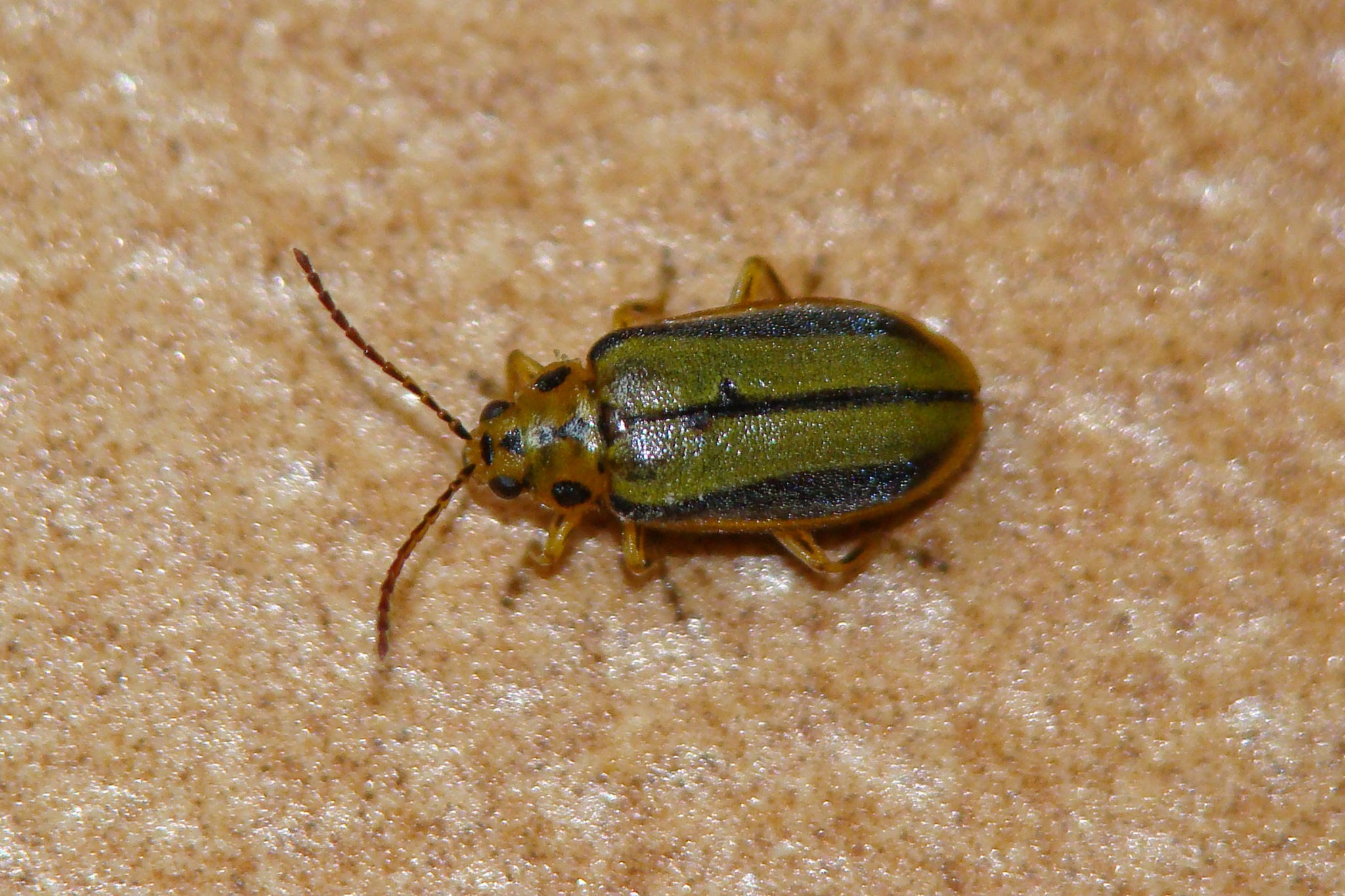
The adult Elm Leaf Miner is a small, shiny black insect measuring approximately 3 millimeters in length.
- Dark black body.
- Broad waist unlike true wasps.
- Transparent wings.
- Short lifespan.
- Active primarily during spring.
Adults are often overlooked because of their small size and brief activity period.
Larvae
- Whitish-green coloration.
- Flattened body shape.
- Legless appearance.
- Typically up to 6 millimeters long.
- Feed entirely within leaf tissues.
The larvae are responsible for all visible damage to elm leaves.
Distribution and Habitat
Ulmus Leaf Miners are found throughout much of North America and Europe wherever elm trees occur.
Common habitats include:
- Urban landscapes
- Residential yards
- Street trees
- Parks
- College campuses
- Commercial properties
- Public gardens
- Arboretums
They are especially common on ornamental elms planted in urban environments where natural predator populations may be limited.
Life Cycle
The Elm Leaf Miner undergoes complete metamorphosis with four distinct stages:
- Egg
- Larva
- Pupa
- Adult
In spring, adult females lay eggs within newly expanding elm leaves.
After hatching, larvae immediately begin feeding between the upper and lower leaf surfaces.
As larvae develop, their mines enlarge and become increasingly visible.
When mature, larvae exit the leaf and drop to the soil beneath the tree where pupation occurs.
Pupae overwinter in the soil, emerging as adults the following spring to repeat the cycle.
Identification and Signs of Damage
The most recognizable symptom of infestation is the presence of leaf mines.
Early Mines
Newly hatched larvae create narrow, winding tunnels known as serpentine mines.
These trails may appear as pale, translucent lines within the leaf.
Blotch Mines
As larvae continue feeding, mines expand into large blotches.
Multiple larvae often merge their feeding areas, causing large portions of the leaf to become discolored.
Windowpane Effect
Damaged leaf tissue becomes thin and translucent, creating a characteristic “windowpane” appearance when held up to sunlight.
Larvae and dark frass may sometimes be visible inside the mine.
Canopy Browning
Heavy infestations can cause:
- Brown foliage.
- Scorched appearance.
- Premature leaf drop.
- Reduced canopy density.
- General decline in tree appearance.
Impact on Elm Trees
The primary effect of leaf mining is the destruction of photosynthetic tissue.
By consuming the mesophyll layer inside the leaf, larvae reduce the tree’s ability to produce energy.
Consequences of repeated infestations include:
- Reduced growth.
- Smaller annual shoots.
- Lower energy reserves.
- Increased stress during drought.
- Reduced ornamental value.
- Greater vulnerability to secondary problems.
Mature healthy trees typically survive infestations, but repeated annual attacks can weaken tree health over time.
Relationship to Dutch Elm Disease
Although Ulmus Leaf Miners do not directly transmit Dutch Elm Disease, severe infestations can weaken elm trees.
Stressed trees often become more susceptible to:
- Drought injury.
- Environmental stress.
- Secondary insect pests.
- Disease pathogens.
Maintaining healthy foliage is an important component of overall elm tree health management.
Management and Prevention
Successful management relies on monitoring and timely intervention.
Monitoring
- Inspect leaves in spring.
- Look for egg-laying scars.
- Watch for early serpentine mines.
- Monitor canopy discoloration.
Early detection greatly improves treatment success.
Sanitation
- Rake fallen leaves.
- Remove heavily infested foliage.
- Dispose of debris properly.
Reducing overwintering sites can help lower future populations.
Soil Cultivation
Light cultivation beneath the tree during autumn can expose overwintering pupae to predators and winter weather.
Biological Control
Several natural enemies help suppress leaf miner populations, including:
- Parasitic wasps.
- Predatory insects.
- Birds.
- Generalist predators.
Preserving beneficial insects can improve long-term control.
Systemic Treatments
For valuable ornamental trees, systemic insecticides may be applied through:
- Soil drenches.
- Soil injections.
- Trunk injections.
These products are absorbed by the tree and target larvae feeding within leaf tissues.
Organic Options
Products containing Spinosad may provide effective control because of their ability to penetrate leaf surfaces and reach concealed larvae.
Research and Future Management
Researchers continue studying improved methods for managing leaf miners while minimizing impacts on beneficial insects.
Current research focuses on:
- Biological control programs.
- Systemic treatment optimization.
- Integrated pest management strategies.
- Host plant resistance.
- Urban forestry management.
- Environmental impacts of treatments.
Improved monitoring methods are also helping arborists detect infestations earlier and reduce unnecessary pesticide applications.
Conclusion
Ulmus Leaf Miners are common pests of elm trees that feed within leaf tissues and create distinctive mines, blotches, and browning. Although they rarely kill mature trees directly, repeated infestations can reduce photosynthesis, weaken tree health, and diminish landscape value.
Early detection, sanitation, biological control, and properly timed systemic treatments provide effective management options. Maintaining healthy elm trees through good cultural practices remains one of the best defenses against long-term damage from these persistent leaf-mining pests.
Related Pestipedia Articles
“`