Overview
Ulmus Gall Midges are tiny fly-like insects that induce the formation of galls on elm trees (Ulmus species). These specialized insects belong to the family Cecidomyiidae and are known for manipulating plant tissues to create protective structures where their larvae can feed and develop. While individual galls are usually harmless, large infestations can cause leaf distortion, premature browning, reduced photosynthesis, and diminished ornamental value.
Among the most common species associated with elm trees is Dasineura ulmea, although several gall midge species may attack different elm varieties. These insects are highly specialized and have evolved intricate relationships with their host trees, causing unique growth abnormalities that serve as both food sources and shelters for developing larvae.
Most infestations are considered aesthetic problems rather than serious threats to mature trees. However, repeated heavy galling can stress young, newly planted, or environmentally stressed elms, making them more vulnerable to drought, disease, and other insect pests.
Taxonomy and Classification
- Kingdom: Animalia
- Phylum: Arthropoda
- Class: Insecta
- Order: Diptera
- Family: Cecidomyiidae
Gall midges belong to one of the largest families of flies, with thousands of species worldwide. Many are highly specialized and capable of inducing galls on specific host plants.
Elm-associated gall midges are among the most recognizable because of the distinctive swellings and leaf distortions they create.
Physical Description
Adult Midges
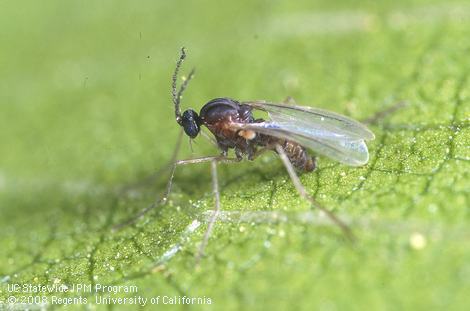
Adult Ulmus Gall Midges are extremely small and delicate insects.
- Length of 1 to 2 millimeters.
- Mosquito-like appearance.
- Long, slender legs.
- Narrow wings with reduced venation.
- Short lifespan of only a few days.
Because adults are active for a brief period and are very small, they are rarely noticed by homeowners.
Larvae
- Legless maggots.
- White, yellow, or orange coloration.
- Typically 1 to 3 millimeters long.
- Develop entirely within plant galls.
The larvae are responsible for stimulating gall formation and consuming plant tissues within the gall chamber.
Distribution and Habitat
Ulmus Gall Midges occur throughout regions where elm trees grow.
Common habitats include:
- Urban landscapes.
- Residential neighborhoods.
- Parks.
- Street tree plantings.
- College campuses.
- Arboretums.
- Natural forests.
- Riparian woodlands.
They are most commonly found on:
- Elm leaves.
- Leaf veins.
- Young shoots.
- Tender stems.
- Developing foliage.
Life Cycle
Ulmus Gall Midges undergo complete metamorphosis consisting of four life stages:
- Egg.
- Larva.
- Pupa.
- Adult.
In spring, adult females deposit eggs on expanding elm leaves and shoots.
Shortly after hatching, larvae begin feeding on plant tissues and release chemicals that alter normal plant growth.
These chemical signals trigger the formation of galls, which surround and protect the developing larvae.
The larvae continue feeding within the gall until maturity.
Depending on species, pupation may occur:
- Inside the gall.
- Within leaf litter.
- In the soil beneath the tree.
New adults emerge and continue the cycle, with one or more generations occurring annually depending on climate.
Gall Formation
One of the most fascinating aspects of Ulmus Gall Midges is their ability to manipulate plant growth.
As larvae feed, they stimulate the tree to produce abnormal plant tissue that forms a protective structure called a gall.
These galls provide:
- Protection from predators.
- Protection from weather.
- A stable food source.
- A favorable microclimate.
The developing larva remains safely enclosed within the gall until maturity.
Identification and Symptoms
The presence of galls is usually the first indication of infestation.
Bead-Like Galls
Small rounded swellings often appear along leaf veins.
- Green when young.
- Yellow or reddish during development.
- Brown or black as they age.
Pocket Galls
Some species cause leaf margins to curl or fold, creating pouch-like structures that house multiple larvae.
Leaf Distortion
Infested leaves may appear:
- Twisted.
- Curled.
- Wrinkled.
- Misshapen.
Premature Browning
Heavily galled leaves often discolor and age prematurely.
Trees may develop a scorched or diseased appearance by late summer.
Impact on Elm Trees
Most healthy mature elms tolerate moderate gall midge infestations without serious long-term damage.
However, heavy infestations can create several problems.
Reduced Photosynthesis
Galls occupy leaf surface area that would otherwise contribute to photosynthesis.
Severe infestations can reduce the tree’s ability to produce energy.
Growth Reduction
Trees may experience:
- Shorter annual growth.
- Reduced vigor.
- Smaller leaves.
- Thinner canopies.
Aesthetic Damage
The most common complaint is the unsightly appearance of heavily galled foliage.
Ornamental elms may lose much of their visual appeal when infestations are severe.
Stress on Young Trees
Newly planted or drought-stressed trees are more likely to experience noticeable health impacts from repeated infestations.
Natural Enemies
Numerous beneficial organisms help suppress gall midge populations.
- Parasitic wasps.
- Predatory beetles.
- Spiders.
- Birds.
- Predatory mites.
Parasitic wasps are especially important because many species can penetrate gall tissues and attack larvae directly.
Management and Control
Integrated Pest Management (IPM) is the most effective strategy for managing Ulmus Gall Midges.
Sanitation
Removing fallen leaves can reduce overwintering populations.
- Rake leaves during autumn.
- Destroy heavily infested debris.
- Reduce potential pupation sites.
Pruning
Pruning heavily infested shoots and branches can reduce localized infestations.
Tree Health Maintenance
Healthy trees tolerate galling much better than stressed trees.
- Water during drought.
- Apply mulch properly.
- Avoid root damage.
- Maintain proper fertility.
Biological Control
Conserving beneficial insects is an important management strategy.
Avoiding unnecessary insecticide applications helps maintain populations of parasitic wasps and predators.
Systemic Insecticides
For valuable specimen trees, systemic treatments may be applied before gall formation begins.
Once larvae become enclosed within the gall, treatments become much less effective.
Monitoring
Regular inspection during spring can help detect early gall formation.
Early intervention is often more effective than attempting to control established infestations.
Research and Future Management
Researchers continue investigating the complex interactions between gall midges and elm trees.
Areas of ongoing study include:
- Gall formation mechanisms.
- Host plant resistance.
- Biological control programs.
- Integrated pest management strategies.
- Climate impacts on gall development.
- Conservation of beneficial insects.
Improved understanding of these relationships may lead to more effective and environmentally sustainable management methods.
Conclusion
Ulmus Gall Midges are specialized insects that induce galls on elm trees to protect their developing larvae. Although typically considered minor pests, heavy infestations can cause leaf distortion, reduced photosynthesis, premature browning, and diminished ornamental value.
Most healthy elm trees tolerate moderate infestations well, but young or stressed trees may experience reduced vigor when gall populations become excessive. Proper sanitation, maintenance of tree health, conservation of natural enemies, and early monitoring remain the most effective methods for long-term management.