“`html
Overview
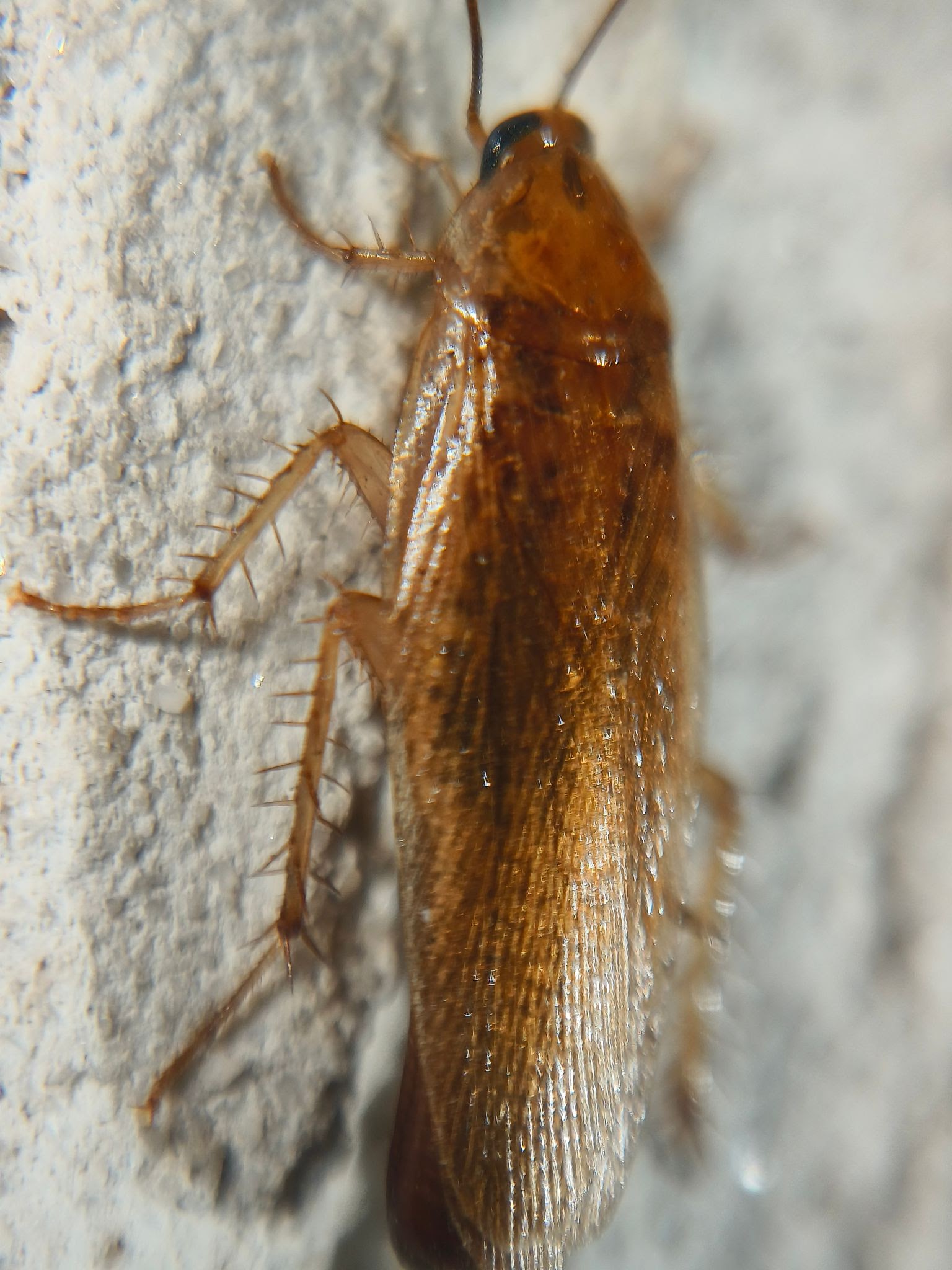
Uhler’s Wood Cockroach (Parcoblatta uhleriana) is a native North American cockroach species commonly found in forests, woodlands, deserts, and other natural habitats. Unlike the German cockroach or American cockroach, Uhler’s wood cockroach is not considered a structural pest and rarely survives indoors for long periods. Instead, it plays an important ecological role as a decomposer, helping break down leaf litter, decaying wood, and other organic material.
This species is often encountered by homeowners living near wooded areas, parks, or natural landscapes. During warm weather, especially after rainfall or during seasonal population increases, adult males may fly toward porch lights, windows, and illuminated entryways. Because they resemble other cockroach species, their appearance inside homes frequently causes alarm. However, Uhler’s wood cockroach does not establish indoor infestations and typically dies quickly indoors due to the lack of moisture and suitable food sources.
In the southwestern United States and other regions where this species occurs, accidental indoor encounters are far more common than true infestations. Understanding the biology and behavior of Uhler’s wood cockroach can help homeowners distinguish it from problematic indoor species and avoid unnecessary pesticide treatments.
Taxonomy and Classification
- Kingdom: Animalia
- Phylum: Arthropoda
- Class: Insecta
- Order: Blattodea
- Family: Ectobiidae
- Genus: Parcoblatta
- Species: Parcoblatta uhleriana
The genus Parcoblatta contains numerous native wood cockroach species found throughout North America. Unlike household pest cockroaches, members of this genus are primarily outdoor insects that contribute to nutrient recycling in natural ecosystems.
Physical Description
Uhler’s wood cockroach displays significant differences between males and females, a characteristic known as sexual dimorphism.
Adult Males
- Length: Approximately 13 to 17 millimeters.
- Color: Light tan to pale brown.
- Body Shape: Slender and elongated.
- Wings: Fully developed and extend beyond the abdomen.
- Flight Ability: Strong flyers that are attracted to lights.
Adult Females
- Shorter and broader than males.
- Dark reddish-brown coloration.
- Very short wings or wing pads.
- Flightless.
- Remain hidden within leaf litter and organic debris.
Nymphs
- Darker in color than adults.
- Wingless.
- Flattened body shape.
- Typically found beneath logs, bark, and leaf litter.
One important identification feature is the absence of the dark parallel stripes commonly found on German cockroaches. Uhler’s wood cockroach has a more uniform coloration designed to blend into its natural surroundings.
Distribution and Habitat
Uhler’s wood cockroach is native to the United States and is commonly found in forested environments, woodland edges, desert washes, and shaded landscapes.
Preferred habitats include:
- Leaf litter
- Decaying logs
- Wood piles
- Mulch beds
- Forest floors
- Compost piles
- Moist organic debris
- Landscape groundcover
These cockroaches require moisture and shelter to survive. Their natural habitat is far different from the dry indoor environments preferred by many structural pest species.
Life Cycle
Like all cockroaches, Uhler’s wood cockroach undergoes incomplete metamorphosis.
The life cycle consists of:
- Egg
- Nymph
- Adult
Females produce egg cases known as oothecae, which are deposited in protected outdoor locations rich in organic material. After hatching, young nymphs undergo multiple molts before reaching adulthood.
Development speed varies depending on temperature, moisture, and food availability. Most activity occurs during warmer months when environmental conditions are favorable.
Behavior and Feeding
Uhler’s wood cockroach is primarily nocturnal and spends daylight hours hidden beneath debris or within protected microhabitats.
Its diet consists mainly of:
- Decaying leaves
- Dead plant material
- Rotting wood
- Fungi
- Organic debris
By consuming decomposing material, these insects help accelerate nutrient recycling and contribute to healthy ecosystems.
Unlike indoor pest cockroaches, they do not seek out human food, stored products, grease residues, or garbage.
Why They Enter Homes
Most encounters with Uhler’s wood cockroaches occur accidentally.
Common reasons for indoor entry include:
- Attraction to porch lights.
- Open doors and windows.
- Heavy rainfall.
- Seasonal population increases.
- Disturbance of outdoor habitat.
- Gaps beneath doors.
Adult males are particularly attracted to artificial lighting and may fly directly toward illuminated windows, entryways, and patios during evening hours.
Once indoors, they typically cannot survive for long because conditions are too dry and food resources are unsuitable.
Impact and Nuisance Concerns
The primary impact of Uhler’s wood cockroach is psychological rather than economic.
Homeowner Alarm
Many people mistake these insects for infestation-prone species such as German cockroaches. Their appearance often leads homeowners to believe they have a serious pest problem.
Seasonal Surges
After heavy rains or during seasonal population peaks, large numbers of males may appear around lights and structures.
No Structural Damage
Unlike termites or wood-boring insects, Uhler’s wood cockroach does not damage buildings, furniture, or structural wood.
No Food Contamination
They do not infest kitchens, pantries, or stored food products.
Minimal Health Risk
Because they rarely establish indoor populations, they do not present the same health concerns associated with German cockroaches.
Management and Prevention
Management focuses on exclusion and habitat modification rather than insecticide applications.
Reduce Outdoor Harborage
- Remove excess leaf litter.
- Thin heavy mulch layers.
- Reduce dense groundcover near structures.
- Move wood piles away from foundations.
Improve Exclusion
- Install tight-fitting door sweeps.
- Repair damaged window screens.
- Seal cracks and gaps around foundations.
- Close openings around utility penetrations.
Manage Outdoor Lighting
Switching from bright white bulbs to yellow “bug lights” can reduce attraction of flying males.
Firewood Storage
- Store firewood off the ground.
- Keep stacks away from buildings.
- Inspect wood before bringing it indoors.
Diatomaceous Earth
In areas with high activity, food-grade diatomaceous earth may be applied around foundations and entry points to help reduce accidental indoor movement.
Indoor insecticide treatments are generally unnecessary because these cockroaches do not establish reproducing indoor populations.
Ecological Importance
Uhler’s wood cockroach is an important decomposer species. By feeding on dead plant material and organic debris, it helps return nutrients to the soil and supports healthy ecosystem function.
It also serves as prey for:
- Birds
- Lizards
- Spiders
- Small mammals
- Predatory insects
Its ecological value far outweighs the occasional nuisance caused by accidental indoor entry.
Conclusion
Uhler’s wood cockroach is a beneficial native species that lives primarily in forests, mulch beds, leaf litter, and other outdoor habitats. Although it may occasionally wander indoors or fly toward lights, it is not a structural pest and does not establish infestations inside homes.
Understanding the differences between Uhler’s wood cockroach and common household cockroaches can help homeowners avoid unnecessary concern and focus on practical prevention measures such as exclusion, habitat management, and lighting adjustments. In most cases, these insects are simply accidental visitors that play an important role in the natural environment.
Related Pestipedia Articles
- Cockroaches
- German Cockroaches
- American Cockroaches
- Forest Pests
- Beneficial Insects
- Integrated Pest Management (IPM)
“`