Overview
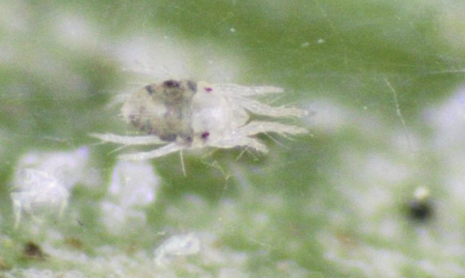
Turf Mites are tiny arachnid pests that attack lawns, golf courses, athletic fields, and other managed turfgrass systems. Several species are associated with turf damage, including the Clover Mite (Bryobia praetiosa) and the Banks Grass Mite (Oligonychus pratensis). Although nearly invisible to the naked eye, these pests can cause extensive aesthetic and economic damage by feeding on grass blades and removing plant cell contents.
Unlike insects, turf mites belong to the class Arachnida and are closely related to spiders and ticks. Their feeding activity causes turfgrass to develop a stippled, yellowed, bronzed, or drought-stressed appearance. Because the symptoms often resemble nutrient deficiencies or water stress, infestations are frequently overlooked until significant damage has occurred.
Turf mites are particularly problematic during periods of environmental stress. Some species thrive during cool weather, while others become active during hot, dry conditions. Their rapid reproduction and small size make early detection challenging, requiring careful monitoring and integrated management practices.
Quick Facts
- Common Names: Turf Mites, Clover Mites, Banks Grass Mites
- Class: Arachnida
- Subclass: Acari
- Size: Less than 1 mm long
- Diet: Plant cell contents from turfgrass
- Habitat: Lawns, golf courses, athletic fields, turfgrass areas
- Main Damage: Yellowing, bronzing, stippling, and turf decline
- Status: Significant turfgrass pest
Taxonomy and Classification
Turf mites belong to the subclass Acari, which includes mites and ticks. Although commonly grouped together as “turf mites,” several species may be responsible for damage depending on climate and grass type.
- Kingdom: Animalia
- Phylum: Arthropoda
- Class: Arachnida
- Subclass: Acari
- Order: Trombidiformes and related mite groups
Because mites are arachnids, adults possess eight legs rather than the six legs characteristic of insects.
Identification
Turf mites are extremely small and often require magnification for proper identification.
Clover Mites
- Reddish-brown coloration
- Approximately 0.75 mm long
- Long front legs that resemble antennae
- Leave red stains when crushed
Banks Grass Mites
- Yellowish-green to pale green coloration
- Smaller than many spider mites
- Often found on drought-stressed grasses
- May produce fine webbing during heavy infestations
Because of their size, infestations are often detected through turf symptoms rather than direct observation.
Life Cycle
Turf mites develop through several life stages:
- Egg
- Larva
- Nymph
- Adult
Development speed depends on temperature and environmental conditions. Under favorable circumstances, multiple generations may occur within a single season.
Many species reproduce rapidly, allowing populations to increase dramatically within a short period.
Distribution and Habitat
Turf mites occur worldwide wherever turfgrass is grown.
Common habitats include:
- Residential lawns
- Golf courses
- Athletic fields
- Parks
- Sod farms
- Commercial landscapes
They spend most of their lives feeding on grass blades or hiding within the turf canopy and upper soil surface.
Behavior and Feeding
Turf mites feed using specialized piercing mouthparts that puncture plant cells and extract their contents.
As feeding continues, individual grass blades lose chlorophyll and develop tiny pale spots. When thousands of feeding sites accumulate, the turf begins to exhibit visible discoloration.
Unlike chewing insects that remove large sections of foliage, mite damage develops gradually and can spread across large areas before becoming noticeable.
Signs of Turf Mite Damage
The most common symptoms include:
- Yellowing Turf: Grass develops a pale appearance.
- Bronzing: Turf takes on a brown or bronze coloration.
- Stippling: Tiny yellow or white speckles appear on blades.
- Patchy Damage: Irregular areas of weakened turf develop.
- Drought-Like Symptoms: Damage often resembles water stress.
- Reduced Vigor: Grass becomes thin and less resilient.
Severe infestations can cause entire sections of turf to decline, particularly during periods of environmental stress.
Economic Importance
Turf mites can create substantial maintenance challenges for:
- Golf course managers
- Sports field operators
- Landscape professionals
- Homeowners
- Sod producers
Although they rarely kill established turf outright, infestations can significantly reduce turf quality, appearance, and playability.
Clover Mites as Structural Pests
Clover Mites present an additional challenge because they frequently migrate onto buildings during spring and fall.
Large numbers may accumulate on:
- Exterior walls
- Window frames
- Door thresholds
- Foundation areas
When crushed, they leave noticeable red stains on walls, curtains, and furnishings. Although they do not bite humans, their presence can become a significant nuisance.
Management and Prevention
Integrated Pest Management (IPM) provides the most effective long-term control strategy.
Proper Irrigation
- Reduce drought stress.
- Water deeply and consistently.
- Avoid prolonged dry conditions.
Balanced Fertilization
- Avoid excessive nitrogen applications.
- Maintain healthy turf growth.
- Follow soil test recommendations.
Monitoring
- Inspect damaged turf closely.
- Use a hand lens for identification.
- Tap grass blades over white paper to detect mites.
Miticides
When populations exceed acceptable levels, specialized miticides may be required.
- Use products specifically labeled for mites.
- Ensure thorough coverage.
- Follow all label instructions.
Many standard insecticides provide poor control because mites are not insects.
Clover Mite Exclusion
- Create vegetation-free borders around foundations.
- Use gravel or stone barriers.
- Seal cracks and gaps around windows and doors.
Natural Enemies
Several beneficial organisms help suppress turf mite populations, including:
- Predatory mites
- Lady beetles
- Lacewings
- Minute pirate bugs
- Predatory thrips
Preserving these natural enemies can reduce the need for chemical intervention.
Conservation and Research
Research on turf mites focuses on improving sustainable management methods, developing resistant turfgrass varieties, and enhancing biological control programs using predatory mites.
Scientists are also investigating environmental factors that trigger outbreaks and evaluating new miticide technologies that minimize impacts on beneficial organisms.
Conclusion
Turf mites are important turfgrass pests capable of causing widespread yellowing, bronzing, and drought-like symptoms in lawns and managed landscapes. Their microscopic size and rapid reproduction often make infestations difficult to diagnose. Proper irrigation, balanced fertility, routine monitoring, and targeted mite management strategies remain the most effective tools for maintaining healthy, attractive turfgrass.