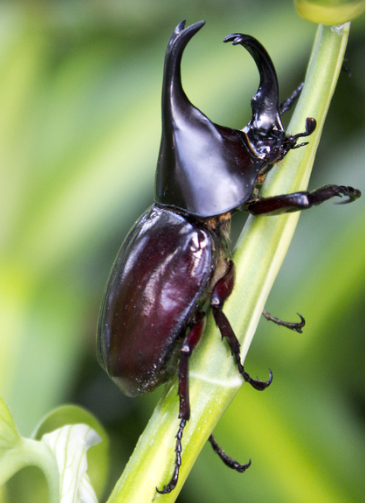
Tundra Beetles is a broad common name used to describe various beetle species that inhabit Arctic tundra and high-altitude alpine ecosystems. These insects are among the few beetles capable of surviving some of the harshest environmental conditions on Earth, including freezing temperatures, short growing seasons, strong winds, and nutrient-poor soils. Most Tundra Beetles belong to families such as Carabidae (Ground Beetles) and Staphylinidae (Rove Beetles), although other beetle groups may also occur in tundra habitats. Unlike many insects that are considered pests, Tundra Beetles are entirely beneficial members of their ecosystems, functioning as predators, scavengers, decomposers, and nutrient recyclers. Their activities help maintain ecological balance in regions where biodiversity is naturally limited.
Taxonomy and Classification
Tundra Beetles belong to the order Coleoptera, the largest order of insects in the world. Rather than representing a single species, the term encompasses numerous beetle species that have independently evolved adaptations allowing them to survive in Arctic and alpine environments.
Common families represented among Tundra Beetles include:
- Carabidae (Ground Beetles)
- Staphylinidae (Rove Beetles)
- Tenebrionidae (Darkling Beetles)
- Curculionidae (Weevils)
- Chrysomelidae (Leaf Beetles)
Many tundra species possess remarkable physiological adaptations that enable survival during prolonged winters. One of the most significant adaptations is the production of cryoprotectants, commonly referred to as natural antifreeze compounds. These substances prevent ice crystals from forming within body tissues and allow beetles to survive temperatures that would kill most other insects.
Identification
The appearance of Tundra Beetles varies depending on species, but several characteristics are common among insects adapted to extreme northern environments.
- Size: Typically between 1/8 and 3/4 inch long.
- Coloration: Usually dark brown, black, or metallic bronze. Dark colors help absorb heat from the limited sunlight available in Arctic environments.
- Body Structure: Thick exoskeletons that help retain moisture and provide protection from harsh weather conditions.
- Wing Adaptations: Many species are flightless, possessing reduced or fused wing covers.
- Legs: Strong legs adapted for running across rocky terrain, moss, and tundra vegetation.
Because strong winds are common in Arctic regions, the loss of flight capability is often considered an evolutionary advantage that reduces the risk of being blown away from suitable habitat.
Distribution and Habitat
Tundra Beetles occur throughout Arctic and sub-Arctic regions of the Northern Hemisphere, as well as high-elevation mountain ecosystems that share similar environmental conditions.
They are found in:
- Arctic tundra
- Alpine tundra
- Polar coastal regions
- High mountain plateaus
- Permafrost landscapes
- Moss and lichen communities
- Rocky outcrops
- Wet sedge meadows
Their habitat is concentrated within the thin biologically active layer of soil located above permanently frozen ground, known as permafrost. This shallow layer supports most plant and animal life in tundra ecosystems.
Life Cycle
The life cycle of Tundra Beetles is significantly influenced by the short Arctic summer.
- Egg Stage: Eggs are deposited in soil, moss, leaf litter, or beneath rocks.
- Larval Stage: Larvae develop slowly due to cold temperatures and limited food resources.
- Pupal Stage: Pupation occurs in protected soil chambers.
- Adult Stage: Adults emerge during the brief warm season when food resources become available.
Some species require multiple years to complete development because growing conditions are favorable for only a few weeks each year.
Behavior
Tundra Beetles display numerous behavioral adaptations that maximize survival in extreme environments.
- Temperature Regulation: Many species bask in sunlight to raise their body temperature.
- Shelter Seeking: Beetles often hide beneath rocks, vegetation, or moss during unfavorable weather.
- Seasonal Activity: Most activity occurs during the warmest portions of the Arctic summer.
- Nocturnal Behavior: Some species become active during cooler nighttime periods.
- Overwintering: Adults or larvae survive winter beneath snow cover, within soil, or in protected crevices.
These adaptations allow beetles to remain active despite extreme seasonal fluctuations.
Ecological Importance
Tundra Beetles play critical roles within Arctic ecosystems where relatively few insect species exist.
Predators
Many Ground Beetles prey upon:
- Springtails
- Midges
- Fly larvae
- Small arthropods
- Other soil invertebrates
These predatory activities help regulate populations of other organisms within the ecosystem.
Detritivores and Scavengers
Many species feed on decaying organic matter, including:
- Dead insects
- Animal remains
- Plant debris
- Fungal material
By breaking down organic material, they contribute significantly to nutrient recycling.
Nutrient Cycling
Tundra ecosystems contain relatively low levels of biological activity. Beetles accelerate decomposition and help release nutrients that support plant growth.
Conflict Status
Tundra Beetles are not pests. They do not damage crops, infest homes, spread disease, or create economic losses.
Their presence is generally considered beneficial because they:
- Control other invertebrate populations.
- Assist decomposition processes.
- Improve nutrient availability.
- Support ecosystem stability.
- Serve as indicators of environmental health.
As a result, no control measures are ever recommended or necessary.
Climate Change and Tundra Beetles
Tundra Beetles are increasingly important subjects of climate change research. Arctic regions are warming more rapidly than most other parts of the planet, causing significant environmental changes.
Scientists monitor tundra beetle populations because they often respond quickly to:
- Increasing temperatures
- Changes in snow cover
- Permafrost thawing
- Shifts in vegetation
- Changes in moisture levels
Population changes may provide valuable information about the health and stability of Arctic ecosystems.
Conservation and Management
The proper management strategy for Tundra Beetles is conservation rather than control. Protecting tundra habitats helps preserve these highly specialized insects and the ecological services they provide.
Conservation priorities include:
- Protecting Arctic habitats
- Reducing habitat disturbance
- Monitoring climate-related impacts
- Preserving biodiversity hotspots
- Supporting long-term ecological research
Because many species have highly specific habitat requirements, even relatively small environmental changes can influence their survival.
Research and Scientific Importance
Tundra Beetles continue to attract scientific interest due to their extraordinary adaptations to extreme environments. Researchers study their cryoprotective compounds, cold tolerance mechanisms, evolutionary history, and ecological roles within Arctic food webs.
Their ability to survive freezing temperatures provides valuable insights into physiology, climate adaptation, and the future effects of environmental change on cold-region ecosystems.