Overview
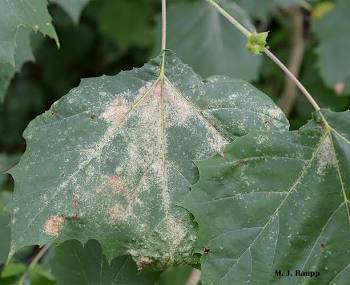
Sycamore Lace Bugs (Corythucha ciliata) are tiny sap-sucking insects that specialize in feeding on sycamore and plane trees. Despite their delicate appearance, these insects can cause significant aesthetic damage to landscape trees by extracting plant fluids from leaf tissue. Heavy infestations produce characteristic stippling, bronzing, and premature leaf drop that can make healthy trees appear diseased or drought-stressed.
Native to North America but now found throughout Europe and other parts of the world, sycamore lace bugs are considered one of the most important pests of sycamore trees in urban and suburban landscapes. Although they rarely kill mature trees, repeated infestations can weaken trees and reduce their ornamental value.
Taxonomy and Classification
- Kingdom: Animalia
- Phylum: Arthropoda
- Class: Insecta
- Order: Hemiptera
- Family: Tingidae
- Genus: Corythucha
- Species: Corythucha ciliata
Sycamore lace bugs belong to the family Tingidae, commonly known as lace bugs because of the intricate lace-like pattern covering their wings and thorax. Like other true bugs, they possess piercing-sucking mouthparts used to extract fluids from plant cells.
Physical Description
Adult sycamore lace bugs are very small insects, measuring approximately 1/8 inch (3–4 mm) long.
- Adult Appearance: Creamy white to translucent body covered by highly sculptured, lace-like wings.
- Thorax: Expanded and hood-like, extending over the head.
- Nymphs: Dark-colored, flattened, wingless forms covered with small spines.
- Eggs: Tiny, dark eggs inserted into leaf tissue on the underside of leaves.
- Size: Approximately 3–4 mm long.
The elaborate wing structure gives the insect a delicate, ornamental appearance despite its destructive feeding habits.
Distribution and Habitat
Sycamore lace bugs occur wherever sycamore and plane trees are grown.
They are commonly found throughout:
- North America
- Europe
- Parts of Asia
- Urban landscapes
- Parks and public spaces
- Residential neighborhoods
- Street tree plantings
The insects spend nearly their entire lives on the undersides of sycamore leaves, where they are protected from predators and environmental conditions.
Life Cycle
Sycamore lace bugs produce multiple generations each year, allowing populations to build rapidly during warm weather.
Overwintering Stage
Adults overwinter beneath loose bark, inside bark crevices, and within protected areas on or near host trees.
Spring Emergence
As temperatures rise, adults become active and move onto newly developing leaves.
Egg Stage
Females insert eggs into leaf tissue on the underside of leaves.
Nymph Stage
Upon hatching, nymphs immediately begin feeding on plant sap. Several molts occur before adulthood.
Adult Stage
Adults continue feeding and reproduction throughout the growing season.
In many regions, two to five generations may occur annually.
Damage and Economic Importance
Sycamore lace bugs damage trees through continuous sap extraction from leaf tissues.
Leaf Stippling
The earliest symptom is the appearance of tiny white or yellow spots on the upper leaf surface.
These spots develop as feeding insects destroy chlorophyll-containing cells.
Leaf Bronzing
As feeding continues, individual stipples merge into larger discolored areas.
Leaves often become:
- Bronze-colored
- Yellowed
- Bleached white
- Dull and unhealthy-looking
Premature Defoliation
Severely affected trees may shed leaves weeks or months before normal autumn leaf drop.
Tree Stress
Repeated infestations reduce photosynthesis and place additional stress on trees already affected by drought, disease, or poor growing conditions.
Signs of Infestation
Several characteristic symptoms help identify lace bug activity.
- Yellow or White Stippling: Tiny feeding spots visible on upper leaf surfaces.
- Bronzed Foliage: Leaves appear scorched or discolored.
- Black Droppings: Small dark excrement spots on leaf undersides.
- Shed Skins: White cast skins from developing nymphs.
- Clusters of Insects: Adults and nymphs concentrated on leaf undersides.
- Premature Leaf Drop: Early defoliation during summer.
Most evidence is found underneath leaves, making close inspection important.
Behavior and Conflict
The primary impact of sycamore lace bugs is aesthetic rather than lethal.
- Continuous Feeding: Multiple generations extend damage throughout the growing season.
- Hidden Habitat: Feeding occurs on leaf undersides, often delaying detection.
- Urban Nuisance: High populations may fall from trees onto vehicles, patios, and outdoor seating areas.
- Occasional Human Bites: Lace bugs sometimes probe exposed skin, causing mild irritation but no serious harm.
- Tree Stress: Repeated infestations may contribute to canopy thinning and branch decline.
Management and Control (IPM)
Effective management combines monitoring, cultural practices, biological control, and targeted treatments.
Monitoring
Inspect the undersides of leaves beginning in spring.
Early detection allows intervention before populations become severe.
Water Sprays
A strong stream of water directed at leaf undersides can dislodge:
- Nymphs
- Adults
- Egg masses
Repeated applications are often necessary.
Biological Control
Numerous natural enemies help suppress lace bug populations.
- Lady beetles
- Lacewing larvae
- Minute pirate bugs
- Predatory spiders
- Parasitic wasps
Avoiding broad-spectrum insecticides helps conserve these beneficial organisms.
Insecticidal Soap and Horticultural Oils
These products can effectively control young nymphs when applied directly to leaf undersides.
Complete coverage is essential for success.
Systemic Treatments
High-value landscape trees may benefit from:
- Systemic soil drenches
- Trunk injections
- Systemic insecticide applications
These treatments allow insecticides to move throughout the tree and affect feeding insects.
Tree Health Maintenance
Healthy trees tolerate lace bug damage more effectively.
- Provide adequate irrigation.
- Reduce drought stress.
- Mulch around root zones.
- Avoid mechanical injuries.
- Follow proper fertilization practices.
Research and Future Management
Current research focuses on:
- Improved systemic treatment methods
- Urban forestry management strategies
- Natural enemy conservation
- Climate influences on population growth
- Monitoring and forecasting techniques
Scientists continue developing environmentally responsible management programs that reduce reliance on chemical insecticides.
Conclusion
Sycamore Lace Bugs are important ornamental tree pests capable of causing severe stippling, bronzing, and premature leaf drop on sycamore and plane trees. Although rarely fatal to mature trees, repeated infestations can reduce landscape value and contribute to long-term tree stress. Regular monitoring, conservation of natural enemies, proper tree care, and timely intervention provide the most effective approach for managing these distinctive lace-winged insects.