Overview
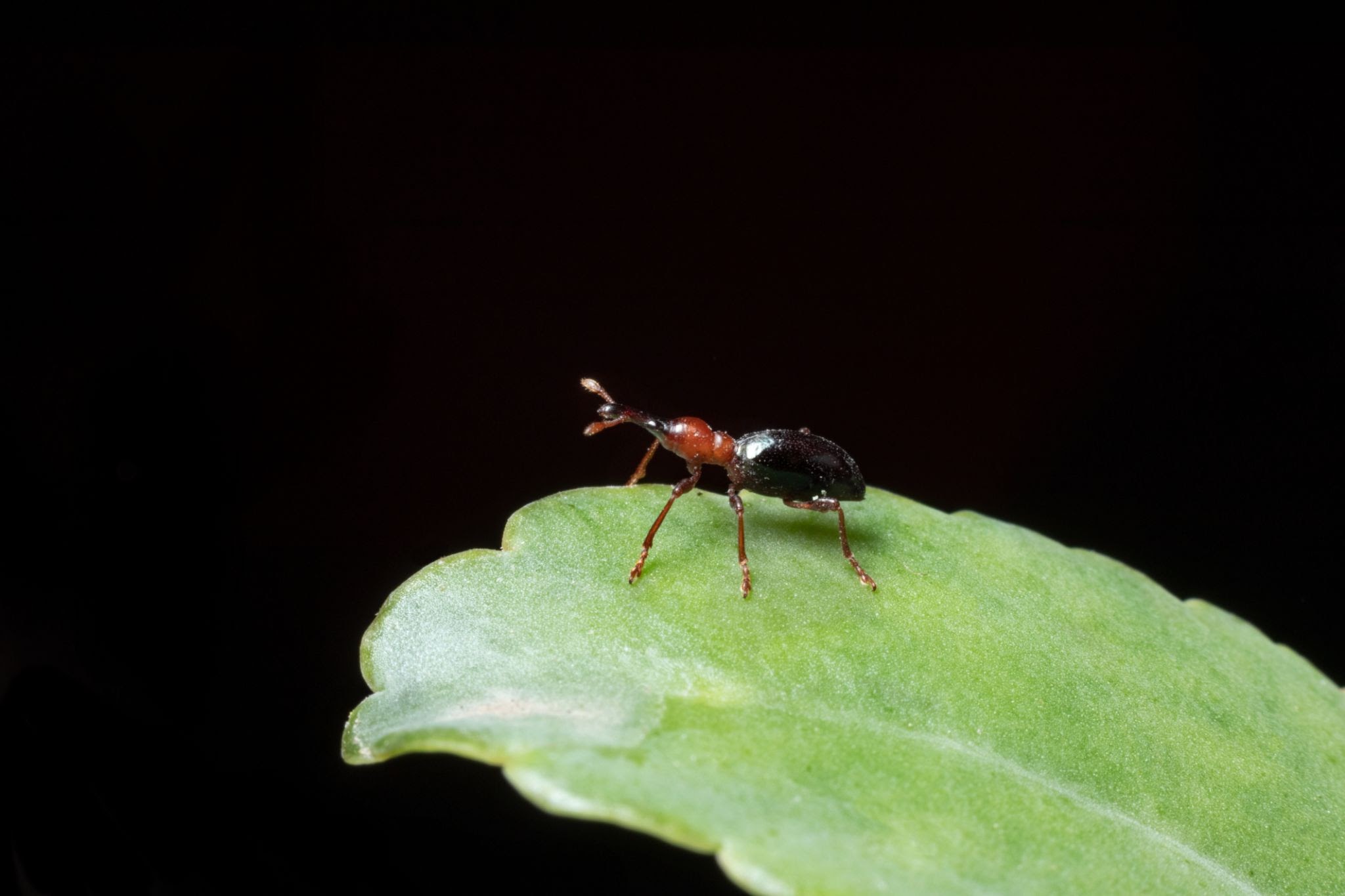
Sweet Potato Weevils (Cylas formicarius) are among the most destructive pests of sweet potatoes worldwide. These specialized weevils attack both field-grown and stored sweet potatoes, causing extensive economic losses. While adult beetles feed on vines and foliage, the greatest damage is caused by larvae that tunnel through stems and storage roots. Their feeding triggers the production of bitter compounds that render sweet potatoes unfit for human consumption and livestock feed.
Because infestations often develop inside roots and stems where they remain hidden, Sweet Potato Weevils can cause severe damage before growers become aware of their presence. In many regions, they are considered the most important insect pest of sweet potato production.
Taxonomy and Classification
- Kingdom: Animalia
- Phylum: Arthropoda
- Class: Insecta
- Order: Coleoptera
- Family: Brentidae
- Genus: Cylas
- Species: Cylas formicarius
Sweet Potato Weevils belong to a group of snout beetles known for their elongated bodies and distinctive rostrum. Unlike many weevils that attack stored grain, this species specializes in sweet potatoes and related plants in the morning glory family.
Physical Description
Adult Sweet Potato Weevils typically measure 5–7 mm in length.
- Adult (Key ID): Slender, ant-like beetle with a long snout and narrow waist.
- Coloration: Bright orange, red, or reddish-brown thorax and legs contrasted with metallic blue to dark blue wing covers.
- Larva (Key ID): Creamy-white, legless grub with a brown head capsule.
- Eggs: Deposited individually in small cavities drilled into vines or roots.
- Conflict: Root destruction, crop contamination, and severe yield loss.
Distribution and Habitat
Sweet Potato Weevils occur throughout tropical and subtropical regions worldwide and are particularly problematic in:
- Southern United States
- Central America
- South America
- Africa
- Southeast Asia
- Pacific Islands
They thrive in warm climates where sweet potatoes are grown continuously. The insects inhabit fields, storage facilities, volunteer sweet potato plants, and wild hosts such as morning glories (Ipomoea species).
Life Cycle
Sweet Potato Weevils undergo complete metamorphosis consisting of four stages:
- Egg
- Larva
- Pupa
- Adult
Egg Stage
Females chew small holes into vines or storage roots and deposit individual eggs. The openings are sealed with a protective fecal plug.
Larval Stage
After hatching, larvae tunnel through stems and roots, feeding internally and creating extensive galleries.
Pupal Stage
Pupation occurs within feeding tunnels inside the plant tissue.
Adult Stage
Adults emerge from the plant and continue feeding and reproducing. Multiple generations can occur each year in warm climates, allowing populations to increase rapidly.
Damage and Symptoms
Sweet Potato Weevils attack both above-ground and below-ground portions of the plant.
Root Damage
- Internal tunneling throughout storage roots
- Honeycombed appearance inside tubers
- Dark frass-filled galleries
- Reduced root size and quality
Chemical Contamination
Larval feeding stimulates the production of terpenes and other bitter compounds within the root tissue.
This results in:
- Unpleasant taste
- Reduced marketability
- Crop rejection by processors
- Unsuitability for livestock feed
Vine Damage
- Stem swelling
- Cracking near feeding sites
- Yellowing foliage
- Reduced plant vigor
- Stunted growth
Signs of Infestation
- Small feeding holes in vines and roots
- Dark frass near entry points
- Tunnels inside harvested sweet potatoes
- Bitter-tasting roots
- Swollen or cracked stems
- Presence of ant-like adult beetles
Because larvae remain hidden inside plant tissue, infestations often go unnoticed until harvest.
Economic Importance
Sweet Potato Weevils are considered the most serious pest of sweet potato production in many regions.
- Direct yield reduction
- Loss of marketable roots
- Storage losses
- Increased production costs
- Trade and quarantine restrictions
Severe infestations can result in complete crop loss, making prevention and early detection essential.
Behavior and Conflict
The hidden nature of Sweet Potato Weevil infestations makes them particularly difficult to manage.
- Internal Feeding: Larvae remain protected inside vines and roots.
- Post-Harvest Activity: Infestations can continue developing during storage.
- Host Persistence: Wild morning glories and volunteer sweet potatoes can maintain populations between growing seasons.
- Rapid Reproduction: Multiple generations allow populations to build quickly under favorable conditions.
Management and Control (IPM)
Successful management relies on prevention, monitoring, and sanitation.
Clean Planting Material
- Use certified pest-free slips and transplants.
- Avoid planting roots from unknown sources.
Cultural Control
- Practice crop rotation.
- Destroy volunteer sweet potato plants.
- Remove wild morning glory hosts near production areas.
- Harvest promptly at maturity.
Field Management
- Hill soil around plants to prevent root exposure.
- Maintain irrigation to minimize soil cracking.
- Destroy crop residues after harvest.
Monitoring
- Use pheromone traps to detect adult activity.
- Inspect fields regularly for feeding damage.
Chemical Control
- Apply approved insecticides when necessary.
- Target adults before egg-laying occurs.
- Follow regional recommendations and label directions.
Research and Conservation
Research focuses on improving pheromone-based monitoring systems, developing resistant sweet potato varieties, enhancing biological control programs, and strengthening quarantine measures to prevent spread into new production areas.
Scientists are also investigating sterile insect techniques and other sustainable management strategies to reduce reliance on insecticides.
Conclusion
Sweet Potato Weevils are among the most economically damaging pests affecting sweet potato production worldwide. Their ability to tunnel inside roots, contaminate crops with bitter compounds, and continue reproducing in storage makes them particularly destructive. Through the use of certified planting material, field sanitation, monitoring, and integrated pest management strategies, growers can significantly reduce losses and protect crop quality.