Overview
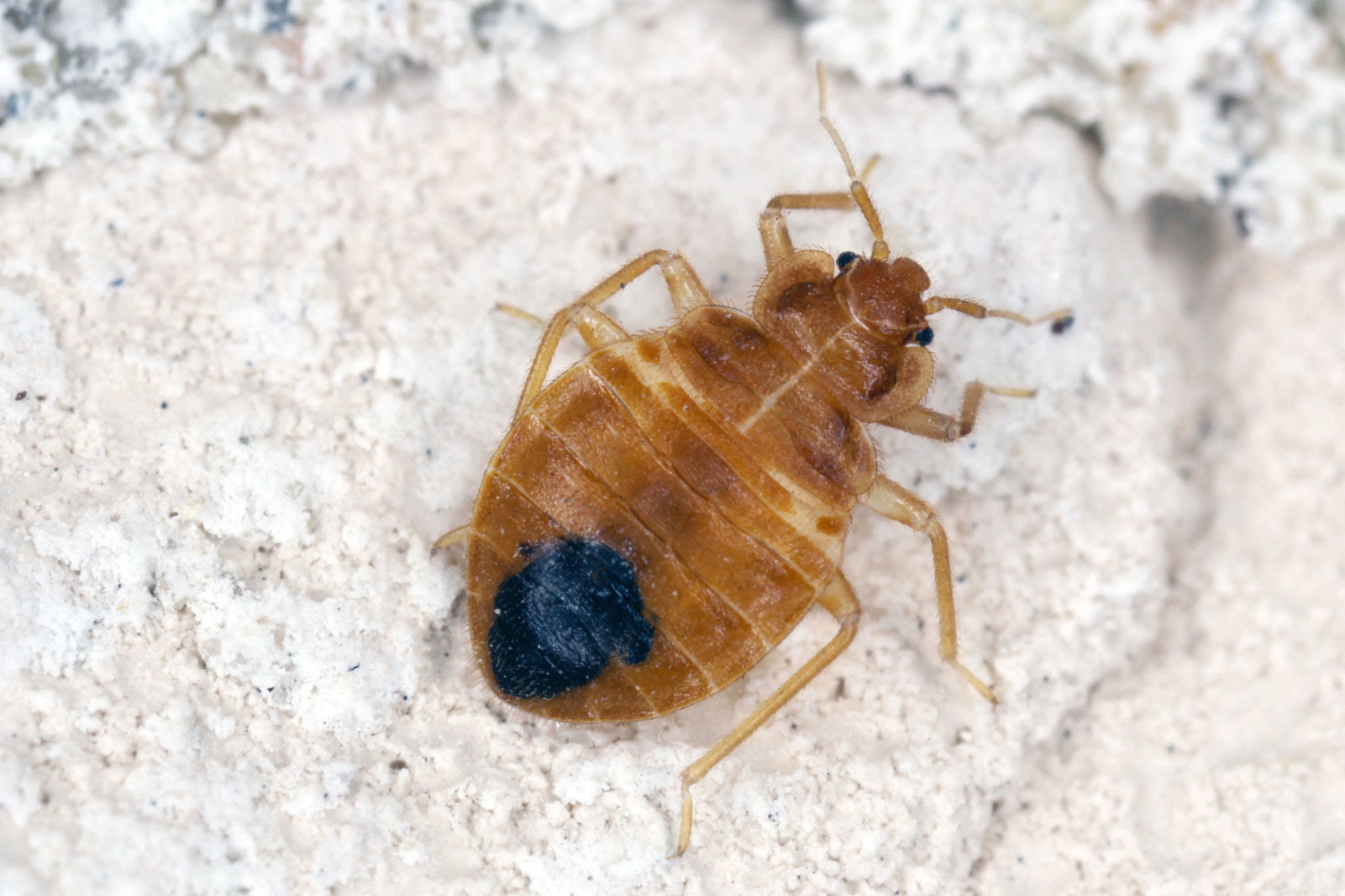
Swallow Bugs (Oeciacus vicarius) are blood-feeding parasites closely related to bed bugs. These insects primarily infest the nests of cliff swallows, barn swallows, and other swallow species, where they feed on both adult birds and nestlings. Although they are highly specialized bird parasites, they frequently become nuisance pests when swallow nests are built on homes, barns, bridges, and other structures.
The primary conflict occurs after swallows migrate or abandon their nests. Without their preferred hosts, hungry swallow bugs disperse from the nests and invade nearby buildings in search of a blood meal. While they are not considered major vectors of human disease, their bites can cause itching, irritation, and considerable discomfort for homeowners.
Taxonomy and Classification
- Kingdom: Animalia
- Phylum: Arthropoda
- Class: Insecta
- Order: Hemiptera
- Family: Cimicidae
- Species: Oeciacus vicarius
Swallow bugs belong to the same family as bed bugs and bat bugs. Like their relatives, they are wingless, nocturnal parasites that feed exclusively on blood.
Physical Description
Adult swallow bugs are small, flattened insects measuring approximately 1/8 to 1/4 inch long.
- Appearance (Key ID): Oval-shaped, flattened body that ranges from reddish-brown to dark brown.
- Hair Coverage: Swallow bugs are noticeably hairier than common bed bugs when viewed under magnification.
- Wings: Wingless throughout their lives.
- Mouthparts: Piercing-sucking mouthparts adapted for blood feeding.
- Nymphs: Immature stages resemble adults but are smaller and lighter in color.
- Conflict: Painful bites, home invasions, and persistent infestations associated with bird nests.
Distribution and Habitat
Swallow bugs occur throughout much of North America wherever cliff swallows and barn swallows establish nesting colonies.
Common habitats include:
- Cliff swallow nests
- Barn swallow nests
- Residential eaves
- Porches and overhangs
- Barns and sheds
- Bridges and culverts
- Rock ledges
- Building crevices near nesting sites
They spend most of their lives hidden within mud nests and nearby cracks where they remain protected from weather and predators.
Life Cycle
Swallow bugs undergo incomplete metamorphosis consisting of egg, five nymphal stages, and adult.
Egg Stage
Females lay eggs deep within swallow nests and protected structural crevices.
Nymph Stage
Nymphs require repeated blood meals from nestling birds and adult swallows in order to develop.
Each developmental stage must feed before molting.
Adult Stage
Adults continue feeding on birds throughout the nesting season.
After birds leave, adults can survive for many months and sometimes over a year without feeding.
Behavior and Conflict
The most significant conflict occurs after swallow colonies abandon their nests.
- Host Loss: Once swallows migrate, bugs leave nests searching for alternative hosts.
- Building Invasions: Large numbers may move through siding, vents, attic spaces, and wall voids.
- Nocturnal Activity: Most feeding occurs at night.
- Long-Term Survival: Adults can survive extended periods without blood meals.
- Seasonal Outbreaks: Home invasions are most common in late summer and fall following bird migration.
Signs of Infestation
- Active swallow nests attached to structures
- Tiny brown bugs emerging from nest sites
- Clusters of insects around windows or ceilings
- Small itchy bites on occupants
- Increased activity after birds leave nests
- Bugs found near eaves, attics, or wall voids
Because they closely resemble bed bugs, proper identification is often necessary.
Impact on Humans and Pets
Unlike bed bugs, swallow bugs strongly prefer bird hosts. However, when birds are unavailable, they will readily bite humans and pets.
Common symptoms include:
- Small red welts
- Persistent itching
- Localized irritation
- Discomfort from repeated bites
Although swallow bugs have been found carrying various pathogens associated with birds, they are not generally considered important transmitters of disease to humans.
Management and Control (IPM)
Successful management requires eliminating both the insects and their nesting source.
Nest Removal
The most important step is removing abandoned swallow nests after birds have permanently left.
- Wear protective clothing.
- Place nests directly into sealed bags.
- Dispose of removed nests promptly.
Always verify compliance with local wildlife regulations before removing active nests.
Structural Treatment
After nest removal:
- Inspect nearby cracks and crevices.
- Apply appropriate residual insecticides or dusts where permitted.
- Treat voids adjacent to former nest sites.
Exclusion
- Seal cracks and gaps around siding.
- Repair damaged soffits.
- Install screening over vents.
- Block access to attic spaces.
Prevent Future Nesting
- Install bird deterrents.
- Use exclusion netting.
- Modify surfaces to discourage nest attachment.
- Remove partially built nests before occupancy where legally allowed.
Indoor Management
If bugs enter the home:
- Vacuum visible insects.
- Dispose of vacuum contents immediately.
- Treat harborages similarly to bed bug infestations.
- Monitor for continued activity.
Natural Enemies
Several predators and parasitoids attack swallow bugs in natural settings, including spiders, predatory beetles, and parasitic wasps. However, natural control rarely provides sufficient suppression once nests are established on buildings.
Research and Monitoring
Current research focuses on:
- Swallow bug ecology
- Host-parasite relationships
- Bird colony management
- Non-chemical exclusion techniques
- Improved identification methods
- Disease transmission potential
Understanding the relationship between swallows and their parasites helps researchers develop better management practices that protect both wildlife and homeowners.
Conclusion
Swallow Bugs are specialized bird parasites that become significant nuisance pests when swallow nests are attached to homes and other structures. While they rarely pose serious health risks, their ability to survive long periods without feeding and invade buildings after bird migration can create persistent biting problems. Effective control depends on proper nest removal, structural exclusion, and treatment of nearby harborages to prevent recurring infestations.