Overview
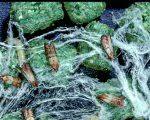
Stored Grain Moths are among the most common and destructive pests of stored grains, cereals, flour, nuts, pet food, birdseed, and other dry food products. These insects infest food during storage, transportation, processing, and even while products are sitting in household pantries. Unlike many outdoor agricultural pests, stored grain moths complete their life cycle entirely within stored food products.
The most common species found in North America include the Indian Meal Moth (Plodia interpunctella), Angoumois Grain Moth (Sitotroga cerealella), and Mediterranean Flour Moth (Ephestia kuehniella). Their larvae contaminate food through feeding activity, webbing production, and waste accumulation, making products unsuitable for consumption.
Taxonomy and Classification
Stored Grain Moths belong to the order Lepidoptera (moths and butterflies).
- Kingdom: Animalia
- Phylum: Arthropoda
- Class: Insecta
- Order: Lepidoptera
- Common Families: Pyralidae and Gelechiidae
Several species have become highly specialized for exploiting stored food products and are now found worldwide wherever grain and processed foods are stored.
Physical Description
Adult moths are relatively small but are often noticed flying around kitchens, warehouses, and food storage areas.
- Indian Meal Moth (Key ID): Wingspan of 16–20 mm. Forewings display a distinctive two-tone appearance with pale gray near the body and reddish-copper coloration toward the tips.
- Angoumois Grain Moth: Small buff-colored moth with narrow fringed wings and a wingspan of approximately 10–16 mm.
- Mediterranean Flour Moth: Grayish moth with darker zigzag markings across the wings.
- Larvae (Key ID): Cream-colored caterpillars with brown heads, usually measuring 10–15 mm when mature.
- Pupae: Enclosed in silken cocoons hidden in cracks, packaging, or stored products.
- Conflict: Food contamination, webbing production, spoilage, and economic losses.
Distribution and Habitat
Stored Grain Moths are cosmopolitan pests found throughout the world.
Common habitats include:
- Home pantries
- Food warehouses
- Grain elevators
- Feed mills
- Pet food storage areas
- Food processing facilities
- Birdseed storage containers
- Retail food stores
- Agricultural storage bins
They thrive in warm environments where food sources are abundant and undisturbed.
Host Materials
Stored Grain Moths attack a wide variety of products.
- Wheat
- Corn
- Rice
- Oats
- Flour
- Pasta
- Cereal
- Nuts
- Dried fruits
- Chocolate
- Pet food
- Birdseed
- Spices
- Beans
- Crackers
- Baking mixes
Indian Meal Moths are particularly notorious because they infest both raw and processed food products.
Life Cycle
Stored Grain Moths undergo complete metamorphosis.
Egg Stage
Female moths deposit eggs directly on food products.
A single female may lay more than 200 eggs during her lifetime.
Larval Stage
The larval stage causes virtually all economic damage.
- Feed on grains and processed foods
- Produce silk webbing
- Contaminate products with frass
- Create tunnels within stored materials
Larval development may take several weeks depending on temperature and food quality.
Pupal Stage
When mature, larvae leave food sources and seek protected locations for pupation.
Cocoons are commonly found:
- In shelf corners
- Under container lids
- Inside cracks and crevices
- On ceilings and walls
Adult Stage
Adults emerge, mate, and begin searching for new food sources where they can lay eggs.
Multiple generations can occur annually indoors.
Damage and Symptoms
Stored Grain Moths damage food through feeding and contamination.
Silk Webbing
The most recognizable sign of infestation is silk production.
- Grain clumps together.
- Flour develops web-like strands.
- Food appears matted or crusted.
- Containers contain hanging silk threads.
Food Contamination
Infested products often contain:
- Larvae
- Dead moths
- Pupal skins
- Frass (waste material)
- Silk webbing
Contaminated food should be discarded.
Kernel Destruction
Species such as the Angoumois Grain Moth develop inside individual kernels.
Damaged kernels may:
- Lose weight
- Fail to germinate
- Develop mold
- Become unsuitable for processing
Secondary Mold Growth
Webbing traps moisture and debris, encouraging fungal development and spoilage.
Behavior and Conflict
Stored Grain Moths are highly adapted to indoor food storage environments.
- Hidden Development: Larvae often remain concealed inside food products.
- Rapid Reproduction: Multiple generations may occur each year indoors.
- Food Mobility: Infestations spread through purchased products, transportation, and storage facilities.
- Pupal Wandering: Mature larvae commonly crawl on walls and ceilings while searching for pupation sites.
- Persistent Infestations: Small overlooked food sources can maintain populations for months.
Economic Importance
Stored Grain Moths are responsible for significant losses throughout the food supply chain.
Impacts include:
- Food contamination
- Reduced grain quality
- Warehouse losses
- Product recalls
- Increased sanitation costs
- Customer complaints
- Reduced seed viability
Large infestations can cause extensive losses in both commercial and household settings.
Management and Control (IPM)
Integrated Pest Management focuses on sanitation, monitoring, exclusion, and proper storage.
Inspection
- Check food packages regularly.
- Inspect birdseed and pet food.
- Look for webbing and larvae.
- Monitor pantry shelves and storage areas.
Sanitation
Sanitation is the foundation of successful control.
- Discard infested products.
- Vacuum shelves thoroughly.
- Clean cracks and crevices.
- Remove food residues.
Pheromone Traps
Pheromone traps provide excellent monitoring tools.
- Capture adult male moths.
- Identify infestation sources.
- Track population levels.
- Provide early warning of new infestations.
Airtight Storage
Store susceptible foods in:
- Glass jars
- Metal containers
- Heavy-duty plastic containers
- Sealed food-grade bins
Airtight storage prevents larvae from spreading between products.
Freezing Treatment
Freezing effectively kills all life stages.
- Store products at 0°F (-18°C) for 4–7 days.
- Useful for flour, grains, nuts, and birdseed.
- Prevents hidden infestations from developing.
Temperature Management
Stored Grain Moths develop poorly under cool conditions.
Refrigeration and freezing greatly reduce infestation risk.
Prevention
- Inspect food before purchase.
- Store products in sealed containers.
- Practice routine pantry cleaning.
- Use pheromone monitoring traps.
- Rotate stored foods regularly.
- Freeze high-risk products before storage.
- Dispose of infested items immediately.
Research and Conservation
Current research focuses on improved pheromone technologies, biological controls, heat treatments, and sustainable pest management practices that reduce pesticide use while protecting stored food products. Scientists continue developing better monitoring tools for warehouses and food-processing facilities.
Conclusion
Stored Grain Moths are among the most common pests of pantries, food warehouses, and grain storage facilities. Their larvae contaminate food through feeding and webbing production, resulting in spoilage and economic losses. Early detection, sanitation, airtight storage, and integrated pest management practices remain the most effective tools for preventing infestations and protecting stored food products.