Overview
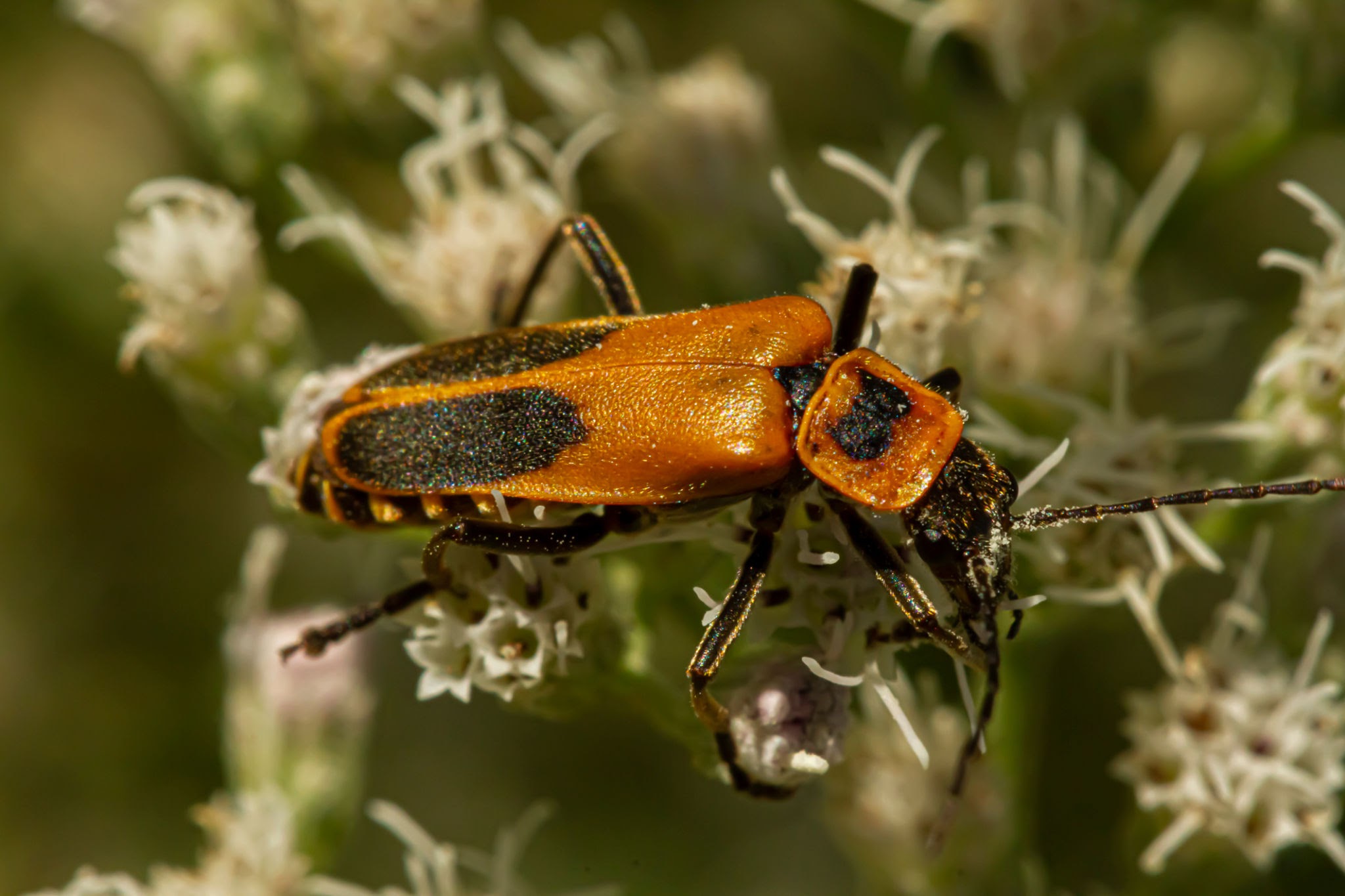
Soldier Beetles are beneficial insects belonging to the family Cantharidae. Commonly known as Leatherwings, these beetles are recognized by their soft, flexible wing covers and their frequent presence on flowers during summer and early autumn. Unlike many beetles that damage crops or ornamental plants, Soldier Beetles are valuable predators and pollinators that help maintain healthy ecosystems.
Both the larval and adult stages contribute to natural pest control. Adults feed on nectar, pollen, and small insects, while larvae hunt a variety of soil-dwelling pests. Their presence in gardens, agricultural fields, and natural landscapes is generally considered beneficial, making them important allies in integrated pest management programs.
Because of their bright coloration and frequent appearance on flowers, Soldier Beetles are sometimes mistaken for pests. However, they pose no threat to humans, pets, structures, or healthy plants.
Taxonomy and Classification
- Kingdom: Animalia
- Phylum: Arthropoda
- Class: Insecta
- Order: Coleoptera
- Family: Cantharidae
- Common Names: Soldier Beetles, Leatherwings
The family Cantharidae contains thousands of species distributed worldwide. Many species are brightly colored and resemble fireflies or certain wasps, although they are unrelated.
The name “Soldier Beetle” is believed to originate from the colorful wing patterns of some species, which resemble the uniforms worn by historical military personnel.
Identification
Adult Soldier Beetles are medium-sized insects typically measuring between 1/2 and 3/4 inch long.
Physical Characteristics
- Body Shape: Elongated and parallel-sided.
- Wing Covers: Soft and flexible rather than hard.
- Coloration: Yellow, orange, red, brown, or black.
- Antennae: Long and thread-like.
- Legs: Slender and adapted for climbing vegetation.
Many species display contrasting black markings on brightly colored wing covers, creating distinctive warning patterns.
Larvae
Soldier Beetle larvae look very different from adults.
- Dark brown or black coloration.
- Velvety or fuzzy appearance.
- Elongated, segmented bodies.
- Well-developed legs.
They are often mistaken for caterpillars but are active predators that spend most of their lives in soil, leaf litter, or beneath bark.
Distribution and Habitat
Soldier Beetles occur throughout North America and are found in a wide range of habitats.
Common environments include:
- Gardens
- Meadows
- Prairies
- Agricultural fields
- Forest edges
- Roadside vegetation
- Wildflower habitats
Adults are especially abundant in areas with flowering plants, while larvae inhabit soil, mulch, compost, and leaf litter where prey is abundant.
Life Cycle
Soldier Beetles undergo complete metamorphosis.
Egg Stage
Females deposit eggs in soil, leaf litter, or protected locations where moisture levels remain relatively stable.
Larval Stage
Larvae spend months hunting small prey and scavenging organic material.
Common larval prey includes:
- Aphids
- Small caterpillars
- Insect eggs
- Soft-bodied larvae
- Slugs
- Snails
Many species overwinter as larvae.
Pupal Stage
When development is complete, larvae pupate in the soil.
Adult Stage
Adults emerge during spring or summer and become highly visible on flowering plants.
Most species complete one generation per year.
Behavior and Ecological Importance
Soldier Beetles are among the most beneficial insects commonly found in gardens and agricultural settings.
Pollination
Adults frequently visit flowers to feed on nectar and pollen.
As they move between flowers, they contribute to pollination of numerous plant species.
Favorite flowers include:
- Goldenrod
- Asters
- Queen Anne’s Lace
- Yarrow
- Coreopsis
- Coneflowers
Predatory Behavior
Adult Soldier Beetles supplement their diet by consuming small pest insects.
They commonly feed on:
- Aphids
- Corn earworm eggs
- Grasshopper eggs
- Small caterpillars
- Soft-bodied larvae
This makes them valuable natural enemies of many agricultural and garden pests.
Damage and Economic Importance
Do Soldier Beetles Cause Damage?
Soldier Beetles are not considered pests.
They do not:
- Damage structures.
- Bite people.
- Damage lawns.
- Destroy crops.
- Feed on healthy plant tissues.
Occasionally, large numbers may gather on flowers, leading homeowners to believe an infestation is occurring. However, these aggregations are temporary and beneficial.
Economic Benefits
Soldier Beetles provide significant economic value through:
- Biological pest control.
- Pollination services.
- Reduced pesticide dependence.
- Support of healthy ecosystems.
Many farmers and gardeners actively encourage Soldier Beetle populations as part of sustainable pest management programs.
Management and Conservation
Because Soldier Beetles are beneficial insects, management focuses on conservation rather than elimination.
Avoid Broad-Spectrum Insecticides
Insecticides intended for pest control frequently kill beneficial insects as well.
Reducing unnecessary pesticide use helps maintain healthy Soldier Beetle populations.
Plant Pollinator-Friendly Gardens
Providing nectar and pollen sources encourages adults to remain in the landscape.
Excellent choices include:
- Goldenrod
- Asters
- Black-eyed Susans
- Milkweed
- Yarrow
- Native wildflowers
Protect Larval Habitat
- Reduce excessive tillage.
- Maintain leaf litter.
- Use mulch appropriately.
- Preserve soil biodiversity.
These practices protect overwintering larvae and improve survival rates.
Research and Conservation
Researchers continue to study Soldier Beetles for their contributions to biological control and pollination.
Current research areas include:
- Integrated pest management (IPM).
- Agricultural biodiversity.
- Pollinator conservation.
- Natural enemy enhancement.
- Sustainable farming practices.
Their dual role as predator and pollinator makes them especially valuable in environmentally friendly agricultural systems.
Conclusion
Soldier Beetles are among the most beneficial insects found in gardens, landscapes, and agricultural environments. Both adults and larvae help suppress pest populations while adults contribute to pollination of flowering plants. Their colorful appearance, harmless nature, and ecological value make them important allies in sustainable pest management. Rather than being controlled, Soldier Beetles should be protected and encouraged wherever possible.