Overview
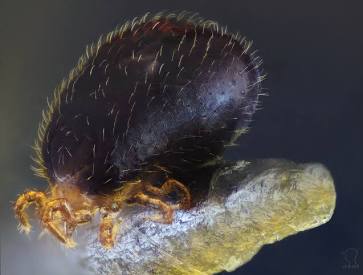
Snake Mites (Ophionyssus natricis) are among the most serious external parasites affecting captive snakes worldwide. These tiny blood-feeding arachnids infest pet reptiles, breeding facilities, zoos, and private collections, causing irritation, stress, anemia, and the potential transmission of disease-causing pathogens. Because they reproduce rapidly and can spread easily between enclosures, snake mites are considered one of the most troublesome health threats faced by reptile keepers.
Unlike many reptile parasites that remain largely hidden, snake mites often become highly visible during severe infestations. They can be found crawling on the snake’s body, clustering around the eyes and mouth, or gathering in water bowls where snakes attempt to soak and relieve irritation. Without prompt intervention, infestations can become severe enough to compromise the health and well-being of affected reptiles.
Taxonomy and Classification
- Kingdom: Animalia
- Phylum: Arthropoda
- Class: Arachnida
- Subclass: Acari
- Order: Mesostigmata
- Family: Macronyssidae
- Species: Ophionyssus natricis
Snake mites are closely related to other parasitic mites but have evolved specifically to feed on reptiles. They are ectoparasites, meaning they live on the external surface of their hosts and feed directly on blood.
Physical Description
Adult snake mites are extremely small, usually measuring less than 1 millimeter in length.
- Color: Dark brown, black, reddish-brown, or dark red after feeding.
- Shape: Oval and flattened.
- Size: Less than 1 mm long.
- Movement: Fast-moving and highly mobile.
- Visibility: Often appear as tiny moving black dots.
Recently fed mites appear larger and darker due to the presence of ingested blood. Under magnification, they possess eight legs and typical arachnid characteristics.
Heavy infestations may result in hundreds or even thousands of mites within a single enclosure.
Distribution and Habitat
Snake mites occur worldwide wherever captive reptiles are maintained.
Common locations include:
- Private reptile collections
- Pet stores
- Breeding facilities
- Zoos
- Animal rescue centers
- Veterinary clinics
- Reptile expos
Within an enclosure, mites hide in:
- Substrate
- Wood décor
- Cage seams
- Ventilation openings
- Water bowls
- Under hides
- Cracks and crevices
Because much of their life cycle occurs off the host, complete environmental treatment is essential for successful control.
Life Cycle
Snake mites undergo simple metamorphosis and develop through several life stages.
Egg Stage
Females lay eggs in protected areas of the enclosure rather than directly on the snake.
Larval Stage
Larvae emerge and begin developing within the environment.
Nymphal Stages
Several immature stages occur before adulthood. During these stages, mites periodically seek blood meals from the host snake.
Adult Stage
Adult females repeatedly feed and lay eggs throughout their lifespan.
Under warm conditions, the complete life cycle can be completed in as little as one to three weeks, allowing populations to increase rapidly.
Behavior and Conflict
The primary conflict caused by snake mites is their impact on reptile health.
Blood Feeding
Snake mites pierce the skin and feed directly on blood.
Repeated feeding causes:
- Skin irritation
- Inflammation
- Stress
- Restlessness
- Anemia
Persistent Soaking Behavior
One of the most recognizable signs of infestation is excessive soaking.
Infested snakes frequently spend extended periods submerged in water bowls in an attempt to relieve irritation and drown attached mites.
Poor Shedding
Heavy infestations often interfere with normal shedding cycles, resulting in:
- Retained shed
- Dull skin appearance
- Eye cap retention
- Skin damage
Reduced Feeding Response
Chronic irritation and stress frequently lead to:
- Loss of appetite
- Weight loss
- Decreased activity
- Poor body condition
Health Risks
Beyond irritation, snake mites pose significant veterinary concerns.
Anemia
Large mite populations can remove substantial amounts of blood, particularly from juvenile or small-bodied snakes.
Severe infestations may result in:
- Weakness
- Lethargy
- Weight loss
- Compromised immune function
Disease Transmission
Snake mites are known to transmit several pathogens between reptiles.
Research has linked them to the spread of:
- Bacterial infections
- Blood parasites
- Viral pathogens
- Secondary skin infections
Because mites move readily between animals, they can quickly spread disease throughout an entire collection.
Stress and Immune Suppression
Long-term infestations create chronic stress that weakens the immune system and increases susceptibility to other diseases.
Signs of Infestation
Common indicators include:
- Tiny black moving dots on the snake
- Mites floating in water bowls
- Frequent soaking behavior
- Poor sheds
- Reduced appetite
- Visible mites around eyes and mouth
- Restless behavior
- Anemia in severe cases
Areas around the eyes, chin, neck folds, and vent are particularly attractive to mites because the skin is thinner and easier to penetrate.
Management and Control (IPM)
Successful control requires simultaneous treatment of both the snake and its environment.
Quarantine
- Immediately isolate infested reptiles.
- Prevent contact with healthy animals.
- Use separate tools and equipment.
Environmental Cleaning
- Remove all substrate.
- Disinfect enclosure surfaces.
- Clean water bowls and hides.
- Replace contaminated bedding.
- Inspect enclosure cracks and seams.
Enclosures should be stripped to bare essentials during treatment.
Snake Treatment
- Soak snakes in lukewarm water.
- Follow veterinarian-approved treatment plans.
- Monitor for recurring mites.
- Repeat treatments as directed.
Only reptile-safe products should be used, as many pesticides can be toxic to reptiles.
Environmental Treatments
- Use reptile-safe acaricides when appropriate.
- Treat enclosure furnishings.
- Monitor all surrounding habitats.
- Continue treatment through multiple mite life cycles.
Preventing Reinfestation
- Quarantine all new reptiles for 60–90 days.
- Inspect animals before purchase.
- Avoid sharing equipment between enclosures.
- Regularly inspect collections.
- Maintain strict hygiene protocols.
Economic Importance
Snake mites create significant financial burdens for reptile owners and breeders.
Costs may include:
- Veterinary treatment
- Diagnostic testing
- Replacement enclosure materials
- Disinfection supplies
- Lost breeding productivity
- Mortality in severe cases
For commercial breeders and zoological institutions, outbreaks can result in extensive labor and treatment expenses.
Research and Veterinary Significance
Snake mites remain a major focus of reptile veterinary research.
Current research areas include:
- Safer mite control products
- Resistance management
- Disease transmission pathways
- Improved quarantine procedures
- Collection-wide prevention programs
Advances in reptile medicine continue to improve treatment success and reduce losses caused by infestations.
Conclusion
Snake Mites are among the most damaging parasites affecting captive reptiles. Their blood-feeding behavior, ability to transmit disease, rapid reproduction, and tendency to spread throughout collections make them a serious veterinary concern. Early detection, strict quarantine procedures, thorough environmental sanitation, and veterinarian-guided treatment remain the most effective strategies for preventing and eliminating infestations.