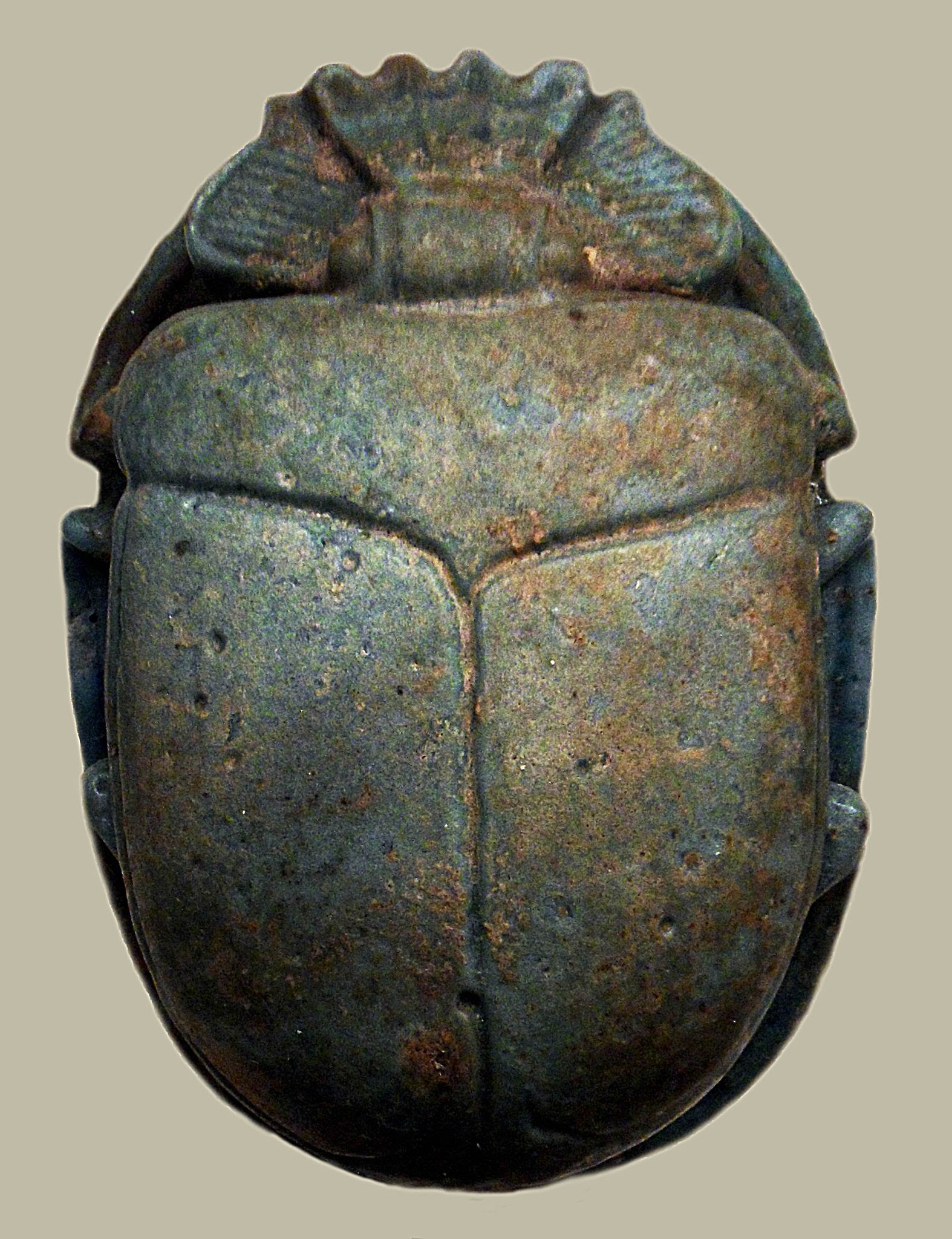
Overview
Scarabs (Family Scarabaeidae) are one of the largest and most diverse groups of beetles in the world. This family includes both highly beneficial insects and some of the most destructive agricultural and landscape pests. Familiar scarabs include Japanese Beetles, June Bugs, Dung Beetles, Rhinoceros Beetles, and numerous species of White Grubs.
The economic importance of scarabs varies greatly by species. Many larvae feed on plant roots and can severely damage lawns, crops, and ornamental plants. Adult scarabs may consume foliage, flowers, and fruit. In contrast, beneficial species such as dung beetles play critical roles in nutrient recycling, soil improvement, and natural pest suppression.
Taxonomy and Classification
- Kingdom: Animalia
- Phylum: Arthropoda
- Class: Insecta
- Order: Coleoptera
- Family: Scarabaeidae
The family Scarabaeidae contains more than 30,000 known species worldwide. Members range from small dung beetles to large rhinoceros beetles and include many economically important agricultural pests.
Scarabs undergo complete metamorphosis with four life stages: egg, larva, pupa, and adult.
Physical Description
Scarabs vary tremendously in appearance depending on species.
Larvae (White Grubs)
- White or cream-colored body
- Distinctive C-shaped posture
- Brown head capsule
- Three pairs of legs near the head
- Typically found underground
- Length ranges from ½ inch to over 2 inches depending on species
Adults
- Oval to robust body shape
- Hard wing covers (elytra)
- Color ranges from dull brown to metallic green, bronze, or black
- Strong digging legs with spines
- Size ranges from ¼ inch to several inches long
Many scarabs are easily recognized by their heavy bodies and distinctive antennae, which end in fan-like plates called lamellae.
Distribution and Habitat
Scarabs are found on every continent except Antarctica and occupy a wide variety of habitats.
Common habitats include:
- Lawns and turfgrass
- Agricultural fields
- Forests
- Gardens and landscapes
- Grasslands
- Livestock pastures
- Compost and manure-rich environments
Larvae typically develop in soil, while adults may be found feeding on plants, flowers, roots, fruit, manure, or decaying organic matter.
Life Cycle
Most scarabs complete one generation per year, although some species require multiple years to mature.
Egg Stage
Females deposit eggs in soil, manure, decaying vegetation, or other suitable environments.
Larval Stage
The grub stage is usually the longest and most destructive phase. Depending on the species, larvae feed on:
- Plant roots
- Organic matter
- Manure
- Decaying vegetation
Pupal Stage
Fully grown grubs form earthen chambers underground where they pupate.
Adult Stage
Adults emerge from the soil and begin feeding, mating, and dispersing to new areas.
Damage and Economic Importance
Scarabs cause a wide range of impacts depending on the species involved.
White Grub Damage
Root-feeding larvae are among the most destructive turfgrass pests.
Common symptoms include:
- Brown patches in lawns
- Wilting grass despite irrigation
- Loose turf that rolls back easily
- Increased digging by skunks, raccoons, and birds
Severe infestations can completely destroy turfgrass root systems.
Foliage Feeding
Adult scarabs such as Japanese beetles consume leaves, flowers, and fruit.
Damage may include:
- Leaf skeletonization
- Flower destruction
- Fruit feeding injuries
- Reduced plant vigor
Agricultural Losses
Scarab pests affect:
- Corn
- Soybeans
- Turfgrass
- Fruit crops
- Ornamental plants
- Vegetables
Economic losses can be substantial when large populations develop.
Beneficial Scarabs
Not all scarabs are pests.
Dung Beetles provide valuable ecosystem services by:
- Breaking down livestock manure
- Improving soil fertility
- Reducing fly breeding sites
- Enhancing water infiltration
- Increasing nutrient cycling
- Reducing parasite transmission
These beneficial species are critical components of healthy agricultural ecosystems.
Signs of Infestation
Symptoms vary by species but commonly include:
- Brown Lawn Patches: Resulting from grub feeding.
- Loose Turf: Grass lifts easily due to root loss.
- Skeletonized Leaves: Adult feeding leaves only veins.
- Chewed Flowers: Damaged blooms and buds.
- Visible Grubs: Found when digging in soil.
- Large Numbers of Beetles: Congregating on plants.
Behavior and Conflict
The impact of scarabs depends largely on species and life stage.
- Root Feeders: White grubs attack underground plant tissues.
- Foliage Feeders: Adults damage leaves and flowers.
- Attraction to Turf: Many species prefer irrigated lawns for egg laying.
- High Reproductive Capacity: Populations can increase rapidly.
- Beneficial Decomposers: Some species improve soil health.
Understanding the species involved is essential before implementing control measures.
Management and Control (IPM)
Integrated pest management strategies depend on the target scarab species.
Monitoring
- Inspect lawns for grubs.
- Monitor adult beetle activity.
- Assess plant damage levels.
- Use pheromone or light traps when appropriate.
Cultural Control
- Maintain healthy turfgrass.
- Avoid excessive irrigation.
- Reduce plant stress.
- Promote biodiversity.
Biological Control
Several natural enemies help suppress scarab populations:
- Entomopathogenic nematodes
- Milky spore bacteria
- Parasitic wasps
- Birds
- Predatory beetles
- Mammalian predators
Mechanical Control
- Hand-pick adult beetles from plants.
- Remove heavily infested plant material.
- Use traps strategically.
Chemical Control
When necessary, insecticides may be applied against vulnerable grub stages.
Late summer and early fall treatments are generally most effective because young grubs are actively feeding near the soil surface.
Research and Future Management
Current scarab research focuses on:
- Improved biological controls
- Grub-resistant turf varieties
- Sustainable pest management
- Dung beetle conservation
- Reduced-risk insecticides
- Climate impacts on scarab populations
Scientists continue to seek management approaches that protect crops while preserving beneficial scarab species.
Conclusion
Scarabs represent one of the most diverse and economically important beetle families in the world. While many species are destructive pests capable of damaging lawns, crops, and ornamental plants, others provide essential ecological services through decomposition and nutrient recycling. Accurate identification and integrated pest management are critical for balancing effective control of harmful species while conserving beneficial scarabs that support healthy ecosystems.