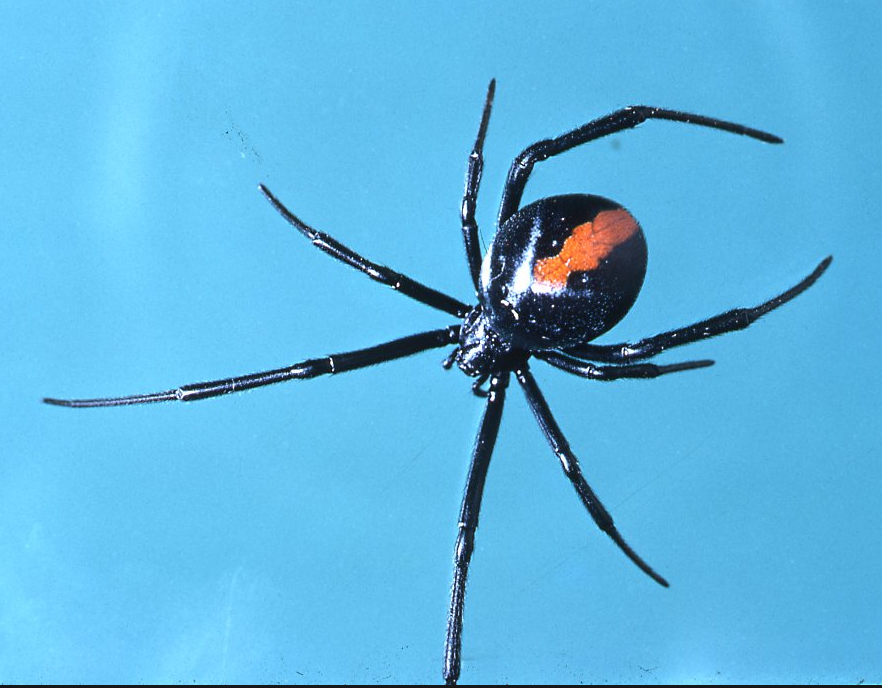
Queensland redback spiders (Latrodectus hasselti) are one of the most well-known venomous spiders in Australia and are closely related to black widow spiders. They are commonly found in both natural and urban environments, often establishing themselves in sheltered locations such as sheds, garages, outdoor furniture, and under debris. Their adaptability to human environments makes them a frequent concern for homeowners, particularly in warmer climates.
Despite their notoriety, redback spiders are not aggressive and typically bite only when disturbed. However, their venom can cause significant symptoms, making awareness and proper identification essential. These spiders play an ecological role by controlling insect populations, but their proximity to human activity places them firmly in the category of pests when found around homes.
The Southern Cross Widow: Queensland Redback Spiders
The Redback Spider (Latrodectus hasselti), often associated with Queensland but found throughout Australia, is a close relative of the American Black Widow. While it is not native to the United States, it is a high-priority “hitchhiker” species. Because they love to nest in shipping containers, machinery, and international cargo, they are frequently intercepted at U.S. ports. In the United States, they are considered a significant invasive threat to the ecological niche currently occupied by native widow species.
Identification: The “Warning” Stripe
The Redback is a member of the comb-footed spider family (Theridiidae). Identifying a female Redback is straightforward, but it is important to distinguish her from the American Black Widow (Latrodectus mactans):
- The Dorsal Stripe: Unlike the American Black Widow, which usually has a solid black “back,” the female Redback features a prominent, jagged longitudinal red stripe running down the top of her abdomen.
- The Hourglass: On the underside (ventral) of the abdomen, she still possesses the classic red “hourglass” mark common to the Latrodectus genus.
- Size: Females are about 1cm in body length (the size of a large pea), while males are tiny (3–4mm) and lack the distinct red coloring, appearing light brown with white markings.
- The Web: They build “tangle webs” that look like messy, unorganized silk scaffolding. The silk is incredibly strong—enough to trap small lizards or even snakes.
Venom and Medical Importance
The Redback is one of the few spiders in the world capable of causing serious medical distress in humans. Their venom contains alpha-latrotoxin, which causes a condition known as latrodectism.
- The Bite: The initial bite may feel like a minor pinprick, but intense localized pain usually develops within 5 to 10 minutes.
- Systemic Symptoms: Unlike the American Widow, whose venom tends to cause muscle cramping in the torso, Redback bites often cause “piloerection” (hairs standing up) and localized sweating specifically around the bite site—a key diagnostic sign for doctors.
- Antivenom: A specific Redback antivenom has been available since the 1950s. In the U.S., if a Redback bite is suspected (likely from a recent international shipment), specialized poison control centers must be contacted immediately as standard American widow antivenom may have varying efficacy.
U.S. Invasive Potential and “Pest” Status
For Pestipedia.com, the “noxious” status of the Redback in the U.S. is related to its ability to outcompete native species. They are highly adaptable and have already established invasive colonies in Japan, New Zealand, and parts of Southeast Asia.
- Urban Adaptation: Redbacks thrive in human-altered environments. They prefer dry, sheltered spots like the undersides of outdoor furniture, inside empty flower pots, or in the corners of sheds and garages.
- Cold Hardiness: While they prefer warm climates like Tucson, they have shown a surprising ability to survive in temperate zones by overwintering in heated buildings or deep within sheltered crevices.
Management: “Look Before You Reach”
Management of Redbacks (and native widows) focuses on habitat disruption and personal safety:
- The “Glove” Rule: In areas where widows are common, always wear heavy work gloves when moving items that have been sitting undisturbed for more than a week (e.g., woodpiles, bricks, or patio cushions).
- Mechanical Removal: A vacuum cleaner is the safest tool for removing the spider and its egg sacs. The egg sacs are cream-colored, round, and contain up to 250 potential spiderlings.
- Port Biosecurity: If you work in logistics or receive international crates from Australia/Asia and spot a spider with a red stripe on its back, do not release it. Place the container in a sealed area and contact the USDA or your state’s Department of Agriculture.
Identification
Female redback spiders are easily recognized by their shiny black bodies and distinctive red or orange stripe on the upper abdomen. They are larger than males, typically measuring up to 10 mm in body length. Males are much smaller, lighter in color, and rarely encountered. The webs are irregular and messy, often located in protected corners or crevices.
Life Cycle
Females produce egg sacs containing hundreds of eggs. Spiderlings hatch and disperse, often using silk threads to travel via wind. Under favorable conditions, multiple generations can develop annually. Females can live for several months, maintaining webs and producing multiple egg sacs over time.
Behavior and Habitat
Redback spiders are nocturnal and prefer dry, sheltered environments. They are commonly found in areas with minimal disturbance, such as woodpiles, under rocks, or around stored materials. In urban settings, they frequently inhabit outdoor structures.
Damage and Health Risk
The primary concern with redback spiders is their venomous bite. Symptoms may include localized pain, sweating, nausea, and in severe cases, systemic effects requiring medical attention. While fatalities are rare, bites should always be treated seriously.
Prevention and Control
Reducing clutter and sealing entry points can help prevent infestations. Wearing gloves when handling stored materials is recommended. In high-risk areas, professional pest control services may be necessary to safely remove established populations.