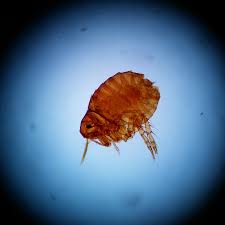
Quail fleas are parasitic insects that primarily infest quail and other birds, but they can also bite mammals, including humans and pets. These fleas are blood feeders, making them more problematic than lice in terms of irritation and potential disease transmission.
In poultry environments, fleas can spread rapidly through bedding, nesting materials, and soil. Once established, they can persist in the environment even after birds are removed, making control more challenging.
Infestations can lead to significant discomfort for birds, reduced productivity, and potential health complications. For backyard poultry keepers and commercial operations alike, flea management is essential for maintaining flock health.
The Jumping Nuisance: Quail Fleas
In the United States, the Quail Flea (most commonly the Sticktight Flea, Echidnophaga gallinacea) is a unique and particularly “noxious” parasite. Unlike the common cat or dog flea that bites and jumps off, the Quail Flea is a “sedentary” parasite. The females use their specialized mouthparts to “anchor” themselves into the skin around the bird’s face and eyes, staying attached for weeks at a time. In the Southwest, including Tucson and Phoenix, these fleas are a major concern for backyard coveys and wild Gambel’s Quail.
Identification: The “Black Head” Cluster
Identifying Quail Fleas is significantly different from identifying other flea species. Because they don’t move when disturbed, they are often mistaken for small scabs or ticks. The visual markers are distinct:
- Appearance: They are very small (about 1mm), dark brown to black, and have a noticeably “flattened” or angular forehead compared to other fleas.
- Clustering: They are almost always found in dense clusters on the unfeathered areas of the quail: around the eyes, the beak, and the wattles. A heavily infested bird may look like it has “black crust” around its eyes.
- Attachment: They do not jump when you touch the bird. They remain firmly embedded in the skin, making them very difficult to remove manually without hurting the bird.
- The Larvae: Unlike the adults, the larvae live in the organic debris and “duff” of the quail’s nesting or resting area, feeding on adult flea droppings (dried blood).
The “Anemic” Impact
Because these fleas stay attached and feed constantly, their impact on a small bird like a quail is far more severe than a typical flea bite:
- Avian Anemia: In young chicks or “covey-mates,” a heavy infestation can drain enough blood to cause lethargy, pale combs, and eventually death from anemia.
- Secondary Blindness: When fleas cluster around the eyelids, the resulting swelling and irritation can cause the bird to scratch its own eyes, leading to infections or permanent blindness.
- Erysipelas Vector: In the U.S., these fleas are known vectors for various avian diseases, including Erysipelothrix rhusiopathiae, which can spread rapidly through a backyard flock.
U.S. Management: The “Smother and Clean” Strategy
Managing Quail Fleas in the United States requires treating both the bird and its environment simultaneously. Because they are so firmly attached, standard “flea powders” often fail to dislodge them.
- The Ointment Method: For birds with fleas around the eyes, applying a thick layer of Petroleum Jelly (Vaseline) or plain Neosporin over the flea clusters is highly effective. The ointment smothers the fleas, causing them to release their grip and die without the need for harsh toxins near the eyes.
- Environmental Deep-Clean: Since the larvae live in the soil and bedding, you must strip the coop of all straw and shavings. Spraying the floor with an Insect Growth Regulator (IGR) like Methoprene will prevent the larvae from ever becoming biting adults.
- Sulfur Dusting: A traditional U.S. remedy for game birds involves lightly dusting the nesting boxes and “dusting holes” with flowers of sulfur. This creates an environment that is chemically repellent to the fleas.
- Wildlife Buffers: If you keep domestic quail in Arizona, ensure your enclosures have a hardware-cloth “skirt” buried 6 inches into the ground. This prevents wild rodents—who often carry these same fleas—from nesting under your coop and spreading the infestation.
Identification
Quail fleas are small, dark brown insects with laterally compressed bodies. They are wingless but capable of jumping long distances. Adult fleas are typically found on birds, while larvae develop in the environment.
Life Cycle
Eggs are laid on the host but fall into the environment. Larvae develop in bedding or soil before pupating. Adults emerge and seek hosts for feeding.
Damage and Impact
Flea bites cause irritation, blood loss, and stress. Heavy infestations can lead to anemia in birds and increased vulnerability to disease.
Prevention and Control
Control includes cleaning and replacing bedding, treating birds with appropriate products, and managing environmental conditions. Regular monitoring is key.