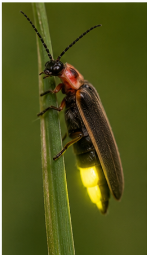
Pennsylvania Fireflies (Photuris pennsylvanica) are among the most recognizable and beloved insects in North America. Famous for their brilliant bioluminescent flashes that illuminate warm summer evenings, these remarkable beetles are an iconic symbol of healthy meadows, forests, wetlands, and rural landscapes. Their glowing signals are not only beautiful but also serve as sophisticated communication systems used to locate mates and defend against predators.
Despite sometimes being mistaken for flies because of their common name, Pennsylvania Fireflies are actually beetles belonging to the family Lampyridae. They are completely harmless to humans and provide valuable ecological benefits through predation on garden pests and their role as indicators of healthy environments. Rather than requiring pest control, fireflies are considered beneficial insects that deserve protection and conservation.
Overview
The Pennsylvania Firefly is one of several North American firefly species in the genus Photuris. Members of this genus are known for their bright flashing displays and fascinating behaviors, including species that mimic the flashing signals of other fireflies to capture prey.
Fireflies spend most of their lives as larvae hidden beneath leaf litter or within moist soil, where they hunt small invertebrates. Adults emerge during late spring and summer to reproduce, creating the spectacular nighttime light displays familiar throughout much of eastern North America.
Taxonomy and Classification
- Order: Coleoptera
- Family: Lampyridae
- Genus: Photuris
- Species: Photuris pennsylvanica
- Common Name: Pennsylvania Firefly
Like all beetles, Pennsylvania Fireflies undergo complete metamorphosis, progressing through egg, larva, pupa, and adult stages.
Identification
Pennsylvania Fireflies are medium-sized beetles with specialized light-producing organs.
- Length: Approximately 10–15 mm.
- Color: Dark brown to black with pale yellow or tan markings.
- Body: Elongated and somewhat flattened.
- Wings: Soft wing covers protecting functional hind wings.
- Distinctive Feature: Light-producing organs located on the underside of the abdomen.
The flashing light is produced through a highly efficient chemical reaction involving luciferin, luciferase, oxygen, and cellular energy.
Life Cycle
The life cycle of the Pennsylvania Firefly begins when females deposit eggs in moist soil or leaf litter.
Larvae hatch after several weeks and spend months feeding on soft-bodied invertebrates before overwintering underground.
During spring, mature larvae pupate in the soil and later emerge as winged adults. Adult fireflies typically live only a few weeks, focusing almost entirely on reproduction.
Most of the insect’s lifespan is spent in the predatory larval stage.
Distribution and Habitat
Pennsylvania Fireflies occur throughout much of eastern North America.
Preferred habitats include:
- Moist meadows
- Woodland edges
- Deciduous forests
- Wetlands
- Marshes
- Riparian corridors
- Parks
- Residential landscapes with natural vegetation
Moist soils and abundant leaf litter provide ideal habitat for developing larvae.
Behavior and Ecology
The most famous characteristic of Pennsylvania Fireflies is their synchronized flashing behavior.
Adults use species-specific light patterns to:
- Locate potential mates.
- Identify members of their own species.
- Discourage predators.
- Communicate during courtship.
Some female Photuris species have earned the nickname “femme fatale fireflies” because they imitate the flash patterns of other firefly species to lure unsuspecting males, which they capture and consume.
Feeding Habits
Larvae are active predators that consume a variety of soft-bodied invertebrates.
Common prey includes:
- Snails
- Slugs
- Earthworms
- Small insect larvae
Many adults feed very little, while others consume nectar, pollen, or small arthropods depending on the species.
Ecological Importance
Pennsylvania Fireflies provide numerous ecological benefits.
- Natural Pest Control: Larvae reduce populations of slugs and snails.
- Biodiversity: They contribute to healthy woodland and meadow ecosystems.
- Wildlife Food: They serve as prey for birds, amphibians, spiders, and mammals.
- Environmental Indicators: Healthy firefly populations often reflect high-quality habitats.
Their presence generally indicates healthy soil, minimal pesticide exposure, and abundant natural vegetation.
Conservation Challenges
Firefly populations have declined in some regions due to several environmental pressures.
- Habitat loss
- Light pollution
- Pesticide exposure
- Wetland destruction
- Climate change
Artificial nighttime lighting can interfere with the flashing signals used during courtship, reducing successful reproduction.
Management and Conservation
Fireflies should never be targeted for pest control.
Instead, homeowners can encourage healthy populations by:
- Reducing outdoor lighting during summer evenings.
- Leaving leaf litter in portions of the landscape.
- Avoiding unnecessary insecticide use.
- Maintaining native vegetation.
- Protecting wetlands and moist habitats.
These simple practices benefit fireflies as well as numerous other beneficial insects.
Research and Conservation
Scientists continue studying Pennsylvania Fireflies to better understand their communication systems, predator-prey relationships, and responses to environmental change. Fireflies have also become important models for research involving bioluminescence, with applications ranging from medical diagnostics to biotechnology.
Citizen science projects throughout North America now monitor firefly populations to help document long-term conservation trends.
Conclusion
Pennsylvania Fireflies (Photuris pennsylvanica) are extraordinary bioluminescent beetles that enrich North American landscapes with their spectacular nighttime displays. Beyond their beauty, they provide natural pest control, support biodiversity, and serve as indicators of healthy ecosystems. Protecting their habitats and reducing light pollution will help ensure future generations can continue enjoying these remarkable insects.