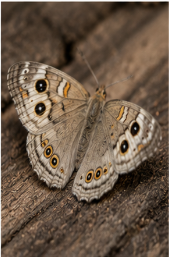
Pale Beauty Moths (Campaea perlata) are elegant members of the geometer moth family that are admired for their delicate pale green wings and remarkable camouflage. Their soft green coloration closely resembles fresh leaves, allowing them to remain nearly invisible while resting on vegetation during the day. Although they occasionally feed on trees and shrubs during their caterpillar stage, Pale Beauty Moths are not considered significant pests and are valued as a natural part of healthy woodland ecosystems.
Native to Europe and parts of western Asia, the Pale Beauty is commonly encountered in deciduous forests, woodland edges, gardens, hedgerows, and parks. Adults are active primarily at night and are often attracted to porch lights and illuminated windows, while their inchworm-like caterpillars feed on the foliage of numerous deciduous trees and shrubs.
Overview
The Pale Beauty belongs to the family Geometridae, one of the largest moth families in the world. Members of this family are commonly called geometer moths because their caterpillars move in a distinctive looping motion, earning them the common names inchworms or loopers.
Unlike many agricultural moths that can become destructive pests, Pale Beauty populations are usually low and dispersed. Their caterpillars rarely occur in numbers capable of causing noticeable defoliation, making them beneficial components of woodland biodiversity rather than insects requiring control.
Taxonomy and Classification
- Order: Lepidoptera
- Family: Geometridae
- Subfamily: Ennominae
- Genus: Campaea
- Species: Campaea perlata
- Common Name: Pale Beauty
Like all moths and butterflies, Pale Beauty Moths undergo complete metamorphosis, developing through egg, caterpillar, pupa, and adult stages.
Identification
Adult Pale Beauty Moths are medium-sized with broad wings that display subtle yet beautiful coloration.
- Wingspan: Approximately 35–45 mm (1.4–1.8 inches).
- Wing Color: Soft pale green with faint whitish crosslines.
- Body: Slender and covered with fine scales.
- Antennae: Feathered in males and threadlike in females.
- Resting Position: Wings held flat against the resting surface.
The green pigment gradually fades as the moth ages, causing older individuals to appear cream, pale yellow, or nearly white by the end of their lifespan.
Larval Identification
The caterpillars resemble small twigs, providing outstanding camouflage against branches.
- Color: Green, brown, or gray depending on the surrounding vegetation.
- Body: Long, slender, and smooth.
- Movement: Characteristic looping or “inchworm” locomotion.
- Camouflage: Mimics twigs when resting motionless.
Like other inchworms, the caterpillar lacks several pairs of abdominal legs, forcing it to move by arching its body into loops.
Distribution and Habitat
Pale Beauty Moths are widespread throughout Europe and extend into portions of western Asia. They occupy a variety of wooded habitats where deciduous trees provide food for developing larvae.
Common habitats include:
- Deciduous forests
- Mixed woodlands
- Forest edges
- Parks
- Gardens
- Hedgerows
- Wooded suburban landscapes
- Nature reserves
Adults are frequently encountered around outdoor lighting during late spring and summer, although they generally spend daylight hours resting among leaves where their camouflage is highly effective.
Life Cycle
Female moths lay eggs on suitable host plants shortly after mating. Once the eggs hatch, the young caterpillars begin feeding on tender foliage.
The larvae pass through several growth stages, shedding their skin between molts. Throughout development they rely heavily on camouflage, remaining motionless during the day and feeding primarily during the evening or nighttime hours.
When fully grown, the caterpillar descends to the ground and forms a pupa within leaf litter or shallow soil. Adult moths emerge several weeks later, depending on seasonal temperatures.
Most populations produce one generation annually, although warmer climates may occasionally support an extended flight season.
Feeding Habits
Caterpillars
The larvae feed on the leaves of numerous deciduous trees and shrubs, including:
- Oak
- Birch
- Beech
- Hazel
- Alder
- Willow
- Hawthorn
- Various ornamental trees
Feeding typically produces only minor leaf damage that healthy trees easily tolerate.
Adults
Adult Pale Beauty Moths may feed on flower nectar or other sugary liquids, although feeding is relatively limited during their short adult lifespan.
Behavior
Pale Beauty Moths are nocturnal insects that become active shortly after sunset. During the day they rely almost entirely on camouflage to avoid predators.
Their pale green wings blend remarkably well with surrounding leaves, making them difficult for birds and other predators to detect.
The caterpillars use a similar strategy, extending their bodies rigidly away from branches to resemble small twigs whenever disturbed.
Natural Predators
Despite their camouflage, Pale Beauty Moths serve as food for numerous wildlife species.
- Birds
- Bats
- Spiders
- Ground beetles
- Parasitic wasps
- Small mammals
Their cryptic coloration greatly reduces the likelihood of detection but does not eliminate predation entirely.
Damage and Pest Status
Pale Beauty Moths are not considered pest insects.
Although the caterpillars consume leaves, feeding is generally scattered and causes little measurable damage. Healthy trees readily replace the small amount of foliage consumed.
Unlike tent caterpillars, gypsy moths, or forest defoliators, Pale Beauty caterpillars rarely occur in outbreak populations capable of causing significant tree stress.
Adults do not damage buildings, clothing, furniture, stored foods, or ornamental plants.
Management and Prevention
No control measures are normally required.
If adults are attracted to lights around buildings, their numbers can be reduced by:
- Limiting unnecessary exterior lighting.
- Using warm-colored LED or yellow “bug” lights.
- Keeping windows and doors screened.
- Sealing gaps around doors and windows.
Chemical control is not recommended because the species is harmless and contributes to healthy woodland ecosystems.
Ecological Importance
Pale Beauty Moths contribute to forest biodiversity by serving as herbivores during their caterpillar stage and as prey for numerous wildlife species throughout their life cycle.
Their caterpillars recycle plant material while providing food for birds and beneficial insects. Adults may also contribute modestly to pollination while visiting flowers.
Their dependence on healthy deciduous woodlands makes them useful indicators of well-functioning forest habitats.
Conservation and Research
Researchers continue studying Pale Beauty Moths to better understand camouflage, predator avoidance, woodland ecology, and the effects of habitat fragmentation on native moth populations.
Conserving mature forests, maintaining native tree diversity, and minimizing unnecessary pesticide use help support healthy populations of Pale Beauty Moths and many other native woodland insects.
Conclusion
Pale Beauty Moths (Campaea perlata) are beautiful geometer moths recognized for their pale green wings, remarkable leaf-like camouflage, and distinctive inchworm caterpillars. Although the larvae feed on the foliage of deciduous trees and shrubs, they rarely cause significant damage and are not regarded as pests.
Instead, Pale Beauty Moths are valuable components of healthy woodland ecosystems, contributing to biodiversity while serving as food for many native predators.