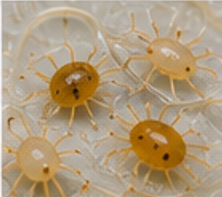
Noodle Mites is an informal term sometimes used to describe tiny stored-product mites discovered in pasta, noodles, flour, grain products, cereals, and other dry foods. There is no recognized species officially called the “Noodle Mite.” In most cases, infestations are caused by common storage mites such as Flour Mites (Acarus siro), Mold Mites (Tyrophagus putrescentiae), or closely related grain and food-storage mites. These microscopic arachnids can reproduce rapidly when food is stored under warm, humid conditions.
Although individual mites are extremely difficult to see, a heavy infestation may contain thousands or millions of individuals. At this stage, the surface of an infested product can appear to be covered with moving dust. The primary problems associated with Noodle Mites are food contamination, deterioration of stored products, unpleasant odors, and possible allergic reactions among people exposed to large quantities of mites or mite-contaminated dust.
Taxonomy and Classification
Stored-product mites belong to the class Arachnida and subclass Acari, making them relatives of ticks and other mites rather than insects. Common species associated with stored foods include Acarus siro and Tyrophagus putrescentiae.
These mites are particularly successful in foods containing starches, proteins, fats, molds, or other microorganisms. Pasta itself may not always be the original source of an infestation. Mites can spread from contaminated flour, grain, pet food, cereal, cheese, animal feed, or another stored product into nearby packages.
Physical Description
Noodle Mites are extremely small, with many common stored-product mites measuring less than 0.5 millimeter long. Individual mites may therefore be overlooked without magnification.
- Appearance: Usually whitish, cream-colored, translucent, or pale yellow, often with darker legs or mouthparts.
- Body: Soft, rounded or oval and considerably smaller than most pantry insects.
- Movement: Individual mites crawl slowly, but large populations can make a contaminated surface appear to move.
- Location: Commonly found within flour, pasta, grain, cereal, dried foods, animal feed, and accumulated food debris.
Signs of a Noodle Mite Infestation
A light infestation can be difficult to detect. Once mite numbers increase, several characteristic signs may become apparent.
- Moving Dust: Fine grayish, whitish, or brownish material on food or shelving may appear to move when examined closely.
- Food Clumping: Flour and other powdered products can develop unusual clumps, particularly when excessive moisture is present.
- Unusual Odor: Heavily infested products may develop a stale, musty, sweet, or otherwise unpleasant smell.
- Surface Residue: Mites, shed skins, eggs, fecal material, and damaged food can create dusty residues around packages.
- Spread Between Products: Tiny mites may appear on shelves or around multiple packages stored close together.
Distribution and Habitat
Stored-product mites are found worldwide and are particularly associated with environments where food is stored under humid conditions. They occur in homes as well as bakeries, grain storage facilities, warehouses, food-processing plants, farms, restaurants, and animal-feed facilities.
Humidity is one of the most important factors influencing mite populations. Damp basements, poorly ventilated cabinets, humid warehouses, and food containing excessive moisture can provide favorable conditions. Mold growth can further improve conditions for some species.
Life Cycle and Reproduction
Stored-product mites develop through egg, immature, and adult stages. Under favorable conditions, development can occur rapidly, allowing a small population to become a substantial infestation before it is noticed.
Warm temperatures combined with high relative humidity are especially favorable. When conditions become unfavorable, reproduction slows and populations may decline. This relationship with moisture makes humidity reduction one of the most useful non-chemical management techniques.
Food Contamination and Damage
The primary conflict associated with Noodle Mites is contamination of stored food. Mites feed within susceptible products while depositing fecal material, shed skins, eggs, and dead mites throughout the food.
Susceptible products may include:
- Pasta and noodles
- Flour and baking mixes
- Breakfast cereals
- Rice and grain products
- Dry pet food
- Bird seed and livestock feed
- Dried foods and powdered products
- Cheese and other stored foods in some environments
Food showing obvious mite activity should be considered contaminated and discarded rather than attempting to remove the mites and consume the remaining product.
Health and Allergy Concerns
Stored-product mites can also be important allergen sources. People repeatedly exposed to large numbers of mites or contaminated food dust may develop sensitivity to mite proteins. Occupational exposure can be particularly relevant for bakers, agricultural workers, grain handlers, food-processing employees, and others who regularly work around stored products.
Respiratory irritation or allergic symptoms may occur when contaminated dust becomes airborne. Because reactions differ between individuals, persistent or serious symptoms associated with suspected exposure should be evaluated by an appropriate medical professional.
Management and Prevention
Noodle Mite control should concentrate on source removal, sanitation, moisture management, and improved food storage. Spraying pesticides around food is generally unnecessary and does not correct the environmental conditions responsible for the infestation.
Find and Remove the Source
Inspect pasta, flour, cereals, grains, baking products, pet food, bird seed, and other dry goods. Discard products containing visible mites, suspicious moving dust, unusual odors, mold, or obvious deterioration. Nearby packages should also be carefully inspected because mites can migrate between products.
Thorough Cleaning
Empty the affected cabinet or storage area and vacuum shelves, corners, cracks, shelf-pin holes, and crevices. Pay particular attention to spilled flour and food particles. Dispose of vacuum contents promptly and clean the shelving before replacing uncontaminated products.
Reduce Humidity
Moisture management is critical. Improve ventilation, correct leaks, use air conditioning or a dehumidifier where appropriate, and avoid storing susceptible foods in persistently damp areas. Maintaining relatively dry storage conditions makes the environment substantially less favorable for mite development.
Use Airtight Containers
Store pasta, flour, cereal, rice, grains, and similar products in airtight glass, metal, or durable plastic containers. Thin cardboard boxes and opened plastic bags provide relatively little protection once pantry pests become established.
Chemical Control
Pesticide applications are generally not the preferred solution in household food-storage areas. Eliminating contaminated products and correcting excessive humidity are usually more important. Pesticides should never be applied directly to food, food-contact surfaces, or inside containers unless the product label specifically permits that use.
Persistent infestations in warehouses, commercial kitchens, grain facilities, or food-processing environments may require professional inspection to locate hidden sources and determine whether specialized treatment is appropriate.
Conservation and Research
Noodle Mites and other stored-product mites are primarily studied as food-storage, agricultural, and occupational health pests. Research focuses on how humidity and temperature affect population development, methods for detecting mites in stored commodities, allergen exposure, and non-chemical approaches to preventing infestations.
For homeowners, prevention is comparatively straightforward: keep dry foods dry, maintain clean storage areas, rotate older products, inspect questionable packages, and transfer vulnerable foods into sealed containers. These measures address the conditions that allow microscopic stored-product mites to become a visible and potentially costly pantry problem.