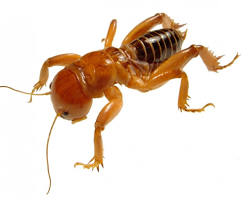
Jerusalem Crickets (genus Stenopelmatus) are large, flightless, nocturnal insects native to the western United States and Mexico. They are also commonly known as Potato Bugs, Niño de la Tierra (“child of the earth”), or Face of a Child because of their unusually large, rounded heads and human-like facial appearance. Despite their intimidating appearance, Jerusalem Crickets are generally harmless and are considered important soil-dwelling decomposers in natural ecosystems.
These unusual insects are not true crickets, although they belong to the order Orthoptera. Unlike house crickets or field crickets, Jerusalem Crickets do not chirp using their wings. Instead, they communicate by drumming their abdomens against the ground, producing vibrations that travel through the soil to attract mates and establish territory.
Quick Facts
- Scientific Name: Stenopelmatus spp.
- Order: Orthoptera
- Family: Stenopelmatidae
- Common Names: Jerusalem Cricket, Potato Bug, Child of the Earth
- Size: 1 to 3 inches long
- Diet: Roots, tubers, decaying organic matter, insects
- Habitat: Loose soil, gardens, forests, deserts
- Status: Beneficial soil inhabitant and occasional nuisance pest
Taxonomy and Classification
Jerusalem Crickets belong to the family Stenopelmatidae, a unique family of large, mostly wingless Orthopterans. They are closely related to king crickets and wētā insects found in other parts of the world.
Although commonly called crickets, they differ significantly from true crickets in both appearance and behavior. True crickets use wings to create chirping sounds, while Jerusalem Crickets lack wings entirely and instead rely on vibration-based communication.
Scientists continue studying the genus because many species remain poorly understood, and new species are still being identified in isolated habitats throughout western North America.
Physical Description
Jerusalem Crickets are among the most unusual-looking insects in North America. Adults are large, robust insects that may reach up to 3 inches in length depending on species.
Key Identification Features
- Large rounded head with human-like appearance
- Yellowish-brown body with dark abdominal bands
- Wingless body
- Strong spiny legs adapted for digging
- Large mandibles capable of painful bites
- Shiny, smooth exoskeleton
Their oversized head and powerful jaws are among their most recognizable traits. While they appear threatening, they are not venomous and primarily use their mandibles for digging and feeding underground.
Coloration varies depending on habitat. Desert species are often pale tan or sandy-colored, while forest-dwelling individuals may appear darker brown or mahogany.
Habitat and Distribution
Jerusalem Crickets are native to the western United States and parts of Mexico. Their range extends from California and Arizona into Nevada, Utah, New Mexico, and portions of Central America.
They prefer habitats with loose, sandy, or moist soil that allows easy burrowing.
Common Habitats
- Deserts
- Grasslands
- Woodlands
- Chaparral habitats
- Gardens and flower beds
- Under rocks and logs
- Beneath leaf litter or mulch
Most of their lives are spent underground inside burrows or beneath debris. They are especially active during cool nights and after rainfall.
Behavior and Communication
Jerusalem Crickets are nocturnal and solitary insects that emerge at night to search for food and mates. During the day, they remain hidden underground or beneath protective cover.
Unlike true crickets, they do not chirp. Instead, they communicate through a unique behavior called drumming.
Drumming Communication
Both males and females rhythmically strike their abdomen against the ground, producing vibrations that travel through the soil. These vibrations are used to:
- Locate mates
- Establish territory
- Recognize members of their species
Each species may produce slightly different drumming patterns.
Some species also create rasping or hissing sounds by rubbing body parts together as a defensive warning to predators.
Diet and Feeding Habits
Jerusalem Crickets are omnivorous scavengers and decomposers that feed on a variety of underground food sources.
Primary Food Sources
- Plant roots
- Tubers and potatoes
- Decaying vegetation
- Dead insects
- Small live insects
- Organic matter in soil
Their feeding activity helps recycle nutrients and improve soil health, making them beneficial members of many ecosystems.
In gardens, they occasionally feed on root vegetables or seedlings, but serious plant damage is relatively uncommon compared to many agricultural pests.
Life Cycle
Jerusalem Crickets undergo incomplete metamorphosis, progressing through egg, nymph, and adult stages.
- Egg Stage: Females lay eggs several inches underground in moist soil.
- Nymph Stage: Young nymphs resemble miniature adults and molt repeatedly as they grow.
- Adult Stage: Adults may live several months after reaching maturity.
Development is unusually slow compared to many insects. Some species require two to five years to fully mature.
Females of some species are known to consume males after mating, a behavior occasionally observed in captivity and natural environments.
Human Interaction and Bites
Jerusalem Crickets are not aggressive toward humans and pose little danger. However, they can bite if handled roughly or cornered.
Important Facts About Their Bite
- Non-venomous
- No stinger
- Bite may be painful due to strong mandibles
- No serious medical risk to humans
Most Jerusalem Crickets prefer escaping rather than confronting threats. Their intimidating posture and appearance often cause unnecessary fear.
Conflict and Pest Status
Jerusalem Crickets are primarily considered beneficial decomposers rather than serious pests. However, they occasionally create conflicts with humans in gardens and homes.
Common Conflicts
- Damage to root vegetables or tubers
- Fear due to appearance
- Indoor wandering after heavy rain
- Startling encounters in garages or basements
Unlike termites or cockroaches, they do not infest homes or reproduce indoors.
Management and Prevention
Control is rarely necessary because Jerusalem Crickets are not major structural or agricultural pests.
Recommended Prevention Methods
- Seal cracks around foundations and doors
- Reduce excess moisture near buildings
- Remove wood piles, rocks, and debris near structures
- Maintain dry zones around foundations
- Use gloves when handling individuals outdoors
If one enters a building, it can simply be captured in a container and released outdoors.
Insecticides are generally unnecessary because these insects spend most of their lives protected underground.
Ecological Importance
Jerusalem Crickets contribute to ecosystem health by:
- Breaking down decaying organic matter
- Aerating soil through burrowing
- Serving as prey for birds, reptiles, and mammals
- Recycling nutrients underground
Their presence often indicates healthy soil ecosystems with balanced organic activity.
Interesting Facts About Jerusalem Crickets
- They are not native to Jerusalem.
- They are not true crickets.
- They communicate through ground vibrations.
- They can live underground for years before maturing.
- Some species are highly localized and rare.
- They are closely related to wētā insects.
Conservation and Research
Researchers continue studying Jerusalem Crickets to better understand:
- Species diversity
- Burrowing behavior
- Subterranean communication systems
- Habitat specialization
- Evolutionary relationships
Some species are vulnerable to habitat fragmentation and environmental disturbance, especially those adapted to isolated desert dunes and mountain ecosystems.