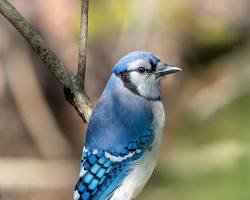
Jays (genera Cyanocitta, Garrulus, Aphelocoma, and others) are intelligent, medium-sized birds belonging to the family Corvidae, which also includes crows, ravens, magpies, and nutcrackers. Known for their striking plumage, loud calls, and bold personalities, Jays are among the most recognizable birds in forests and suburban neighborhoods throughout North America, Europe, and Asia.
These highly adaptable birds are important components of forest ecosystems because they act as major seed dispersers, particularly for oak trees and other nut-bearing plants. However, their aggressive behavior at feeders, habit of raiding nests, and tendency to consume crops and fruit can bring them into conflict with homeowners, gardeners, and bird enthusiasts.
Quick Facts
- Common Name: Jays
- Family: Corvidae
- Order: Passeriformes
- Main Diet: Omnivorous
- Typical Size: 10–12 inches long
- Primary Conflict: Feeder aggression and nest predation
- Habitat: Forests, parks, suburban areas
- Behavior: Intelligent, territorial, vocal
- Status: Common native birds
Taxonomy and Classification
Jays belong to the class Aves and the order Passeriformes, commonly known as perching birds.
- Class: Aves
- Order: Passeriformes
- Family: Corvidae
Well-known species include:
- Blue Jay (Cyanocitta cristata)
- Steller’s Jay (Cyanocitta stelleri)
- Florida Scrub-Jay (Aphelocoma coerulescens)
- Eurasian Jay (Garrulus glandarius)
As members of the Corvid family, Jays are considered among the most intelligent bird species in the world.
Physical Description
Jays are sturdy birds with strong bills, broad wings, and highly expressive crests or plumage patterns.
General Appearance
- 10–12 inches long
- Strong, pointed bill
- Rounded wings
- Long tail
- Powerful legs and feet
Blue Jay
- Bright blue upper body
- White chest and underside
- Black necklace-like collar
- Prominent crest
- Blue-and-black barred wings
Steller’s Jay
- Dark black or charcoal head
- Tall crest
- Deep blue body and wings
- Heavy, powerful bill
Calls and Vocalizations
Jays are extremely vocal birds known for:
- Loud alarm calls
- Harsh screeches
- Whistles and clicks
- Imitation of hawks
- Mimicry of other birds
Some Jays imitate hawk calls to scare smaller birds away from feeders.
Distribution and Habitat
Jays occur throughout much of the Northern Hemisphere.
North American Range
- Eastern forests
- Western conifer forests
- Suburban neighborhoods
- Urban parks
- Oak woodlands
Preferred Habitat
- Deciduous forests
- Mixed woodlands
- Conifer forests
- Forest edges
- Backyards with mature trees
Oak forests are especially important because acorns are a major food source.
Diet and Feeding Behavior
Jays are opportunistic omnivores with highly varied diets.
Natural Foods
- Acorns
- Nuts
- Seeds
- Insects
- Fruits
- Berries
- Small reptiles
- Eggs and nestlings
- Carrion
Caching Behavior
Jays are famous for storing food for later use.
- Bury acorns and nuts
- Hide food in bark crevices
- Remember hundreds of cache locations
- Recover food during winter
Many forgotten acorns eventually sprout into new oak trees, making Jays critical forest regenerators.
Behavior and Conflict
Although ecologically beneficial, Jays can become nuisance birds in residential settings.
Feeder Aggression
Jays are highly dominant at bird feeders.
- Drive away smaller birds
- Consume large quantities of seed
- Monopolize feeding stations
- Scatter seed aggressively
Species commonly displaced include:
- Finches
- Chickadees
- Nuthatches
- Warblers
Nest Predation
Jays sometimes raid nests for:
- Eggs
- Nestlings
- Recently fledged birds
This predatory behavior is controversial among backyard bird enthusiasts.
Garden and Crop Damage
- Eat ripening fruit
- Raid corn crops
- Damage vegetable gardens
- Steal pet food
Noise Complaints
Their loud calls can become disruptive near homes, especially during:
- Breeding season
- Territorial disputes
- Predator alerts
Ecological Importance
Despite occasional nuisance behavior, Jays provide major ecological benefits.
Seed Dispersal
Jays are among the most important dispersers of:
- Oak acorns
- Pine seeds
- Beech nuts
- Forest tree seeds
Entire forests may regenerate due to forgotten caches.
Insect Control
They consume many insects including:
- Caterpillars
- Beetles
- Grasshoppers
- Tree pests
Predator Warnings
Their alarm calls alert many other animals to:
- Hawks
- Owls
- Snakes
- Mammalian predators
Management and Prevention
Management generally focuses on discouraging nuisance behavior while allowing coexistence.
Bird Feeder Management
- Use weight-sensitive feeders
- Offer Nyjer or thistle seed
- Avoid peanuts and sunflower seeds
- Use caged feeders for small birds
Smaller birds can often feed safely using feeders inaccessible to larger Jays.
Garden Protection
- Install bird netting
- Protect fruit trees with mesh
- Use reflective tape
- Cover ripening crops
Trash and Pet Food Control
- Secure garbage containers
- Avoid leaving pet food outdoors
- Clean feeding areas regularly
Deterrents
- Motion-activated sprinklers
- Reflective visual deterrents
- Predator silhouettes
- Noise deterrents
Interesting Facts About Jays
- Jays can remember hundreds of hidden food caches.
- Some species mimic hawk calls.
- They recognize individual human faces.
- Jays are among the most intelligent birds.
- Acorn caching by Jays helps regenerate forests.
- Some Jays use tools and problem-solving behaviors.
- They form strong family and social bonds.
Conservation and Research
Most Jay species remain common and adaptable, though some habitat-specialist species face conservation concerns.
Research Areas
- Avian intelligence
- Memory and cognition
- Forest ecology
- Seed dispersal dynamics
- Urban adaptation
- Bird communication and mimicry
Scientists continue studying Jays because of their remarkable intelligence, social complexity, and vital ecological role in maintaining healthy forest ecosystems.