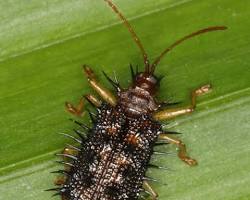
Java Rice Beetles (commonly known as Rice Weevils, Sitophilus oryzae) are among the most destructive and economically important pests of stored grain worldwide. These tiny snout beetles infest rice, wheat, corn, barley, pasta, dried beans, and many other stored food products. Unlike many pantry pests, Rice Weevils are internal feeders, meaning their larvae develop entirely inside individual grain kernels, making infestations difficult to detect until severe contamination has already occurred.
Rice Weevils are notorious pests in commercial grain silos, warehouses, food processing facilities, and household pantries. Their feeding activity destroys grain quality, reduces nutritional value, contaminates food with frass and insect debris, and can cause entire stockpiles to spoil. In warm, humid conditions, populations can explode rapidly, causing major financial losses for agriculture and food storage industries around the world.
Quick Facts
- Common Name: Java Rice Beetle / Rice Weevil
- Scientific Name: Sitophilus oryzae
- Order: Coleoptera
- Family: Curculionidae
- Size: 1/8 to 3/16 inch long
- Main Habitat: Stored grains and dry food products
- Diet: Rice, wheat, corn, barley, pasta, beans, bird seed
- Primary Threat: Grain destruction and contamination
- Status: Severe global stored-product pest
Taxonomy and Classification
Java Rice Beetles belong to the family Curculionidae, commonly known as the true weevils or snout beetles.
They undergo complete metamorphosis, progressing through four life stages:
- Egg
- Larva
- Pupa
- Adult
Rice Weevils are closely related to:
- Granary Weevils
- Maize Weevils
- Other stored grain beetles
Their highly specialized reproductive behavior makes them especially destructive. Females bore directly into grain kernels using their elongated snout, deposit an egg inside, and seal the opening. The larva then develops completely hidden within the grain.
Physical Description
Adult Java Rice Beetles are small, slender, dark-colored weevils with a distinctive elongated snout.
Adult Appearance
- Dark brown to black body
- Long, narrow snout (rostrum)
- Cylindrical body shape
- Four faint reddish or yellowish spots on the wing covers
- Strong chewing mouthparts at the end of the snout
Adults are capable of flight and can spread rapidly between storage areas.
Larvae
The larval stage is the most destructive.
- Creamy white body
- Legless grub
- Curved shape
- Develops entirely inside grain kernels
Because larvae remain hidden inside grains, infestations often go unnoticed until adults emerge.
Pupae
Pupation also occurs inside the grain kernel, where the insect completes development before emerging as an adult.
Life Cycle
The Rice Weevil’s life cycle is highly efficient and adapted for concealed development.
Egg Stage
Females chew a tiny cavity into a grain kernel and place a single egg inside.
- One egg per grain
- Opening sealed with gelatinous material
- Egg hidden from predators and environmental exposure
Larval Stage
After hatching, the larva feeds internally on the grain contents.
- Consumes the entire interior
- Leaves the outer shell intact
- Produces hidden structural damage
Infested grains eventually become hollow shells.
Adult Emergence
The adult beetle cuts a clean circular exit hole through the grain surface when emerging.
These exit holes are one of the key indicators of infestation.
Distribution and Habitat
Java Rice Beetles are found worldwide due to the international movement of grain products.
Common Infestation Sites
- Grain silos
- Warehouses
- Rice mills
- Cargo ships
- Food processing plants
- Kitchen pantries
- Pet food storage
- Bird seed containers
They thrive in:
- Warm temperatures
- High humidity
- Poorly sealed grain storage
- Undisturbed food supplies
Heavy infestations can generate enough metabolic heat to warm stored grain masses internally.
Behavior and Feeding
Rice Weevils feed on a wide range of stored grains and dry foods.
Preferred Foods
- Rice
- Corn
- Wheat
- Barley
- Rye
- Pasta
- Dried beans
- Bird seed
- Cereal products
Adults feed externally while larvae feed internally.
Internal Feeding Damage
The hidden larval feeding stage causes:
- Weight loss in grain
- Reduced seed viability
- Structural weakening of kernels
- Nutritional loss
- Increased spoilage
Rapid Population Growth
Under ideal conditions, populations multiply extremely quickly.
- Short reproductive cycle
- Continuous breeding indoors
- Large egg production
- Hidden immature stages
Signs of Infestation
Common signs of Java Rice Beetle infestations include:
- Small round exit holes in grain kernels
- Fine powdery frass
- Live beetles crawling inside containers
- Hollowed grain kernels
- Dust accumulation in food products
- Musty odor in stored grain
- Heat buildup in grain masses
Infestations are often first noticed when adult beetles emerge from stored food.
Economic Impact
Rice Weevils are among the most damaging stored-product pests globally.
Commercial Losses
- Reduced grain quality
- Spoiled food products
- Rejected shipments
- Contamination cleanup costs
- Storage treatment expenses
Large infestations can ruin entire grain shipments or storage facilities.
Household Problems
In homes, infestations spread quickly between:
- Rice containers
- Pantry shelves
- Dry food packaging
- Pet food bags
- Bird seed storage
Management and Prevention
Effective control requires integrated pest management (IPM) focused on sanitation, exclusion, and proper storage practices.
Sanitation
Sanitation is the most important first step.
- Discard infested products immediately
- Seal infested materials in bags
- Vacuum pantry shelves thoroughly
- Clean cracks and crevices
- Remove spilled grain and flour dust
Even tiny food residues can support ongoing infestations.
Airtight Storage
Proper storage prevents reinfestation.
- Glass containers
- Metal bins
- Heavy plastic containers
- Tight-sealing lids
Thin cardboard and paper packaging are easily penetrated by weevils.
Freezing Treatment
Freezing newly purchased grain products helps kill hidden eggs and larvae.
- Freeze for 4 to 7 days
- Use temperatures below 0°F
- Treat bulk grains proactively
This is especially useful for:
- Bulk rice
- Bird seed
- Organic grains
- Whole grain products
Commercial Grain Protection
Large storage operations often rely on:
- Hermetic storage systems
- Controlled atmospheres
- Carbon dioxide treatment
- Nitrogen flushing
- Diatomaceous earth
- Professional fumigation
These methods reduce oxygen levels or physically damage the insects.
Interesting Facts About Java Rice Beetles
- The larva spends nearly its entire life hidden inside a single grain kernel.
- Rice Weevils are capable of flight unlike some related grain pests.
- They can infest grains before harvest while still in the field.
- A single female can lay hundreds of eggs during her lifetime.
- Heavy infestations can generate heat inside grain masses.
- Rice Weevils are among the most common pantry pests worldwide.
Conservation and Research
Research on Java Rice Beetles focuses heavily on protecting global food supplies and improving grain storage technology.
Current Research Areas
- Hermetic grain storage systems
- Safer grain protectants
- Pheromone monitoring traps
- Biological control methods
- Reduced-risk fumigants
- Climate effects on infestation rates
Scientists continue developing improved storage and monitoring systems to reduce losses caused by this destructive stored-grain pest.