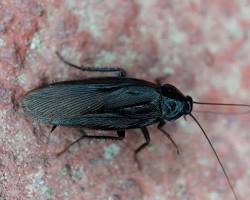
Japanese Cockroaches (Periplaneta japonica) are a cold-tolerant species of cockroach native to East Asia that has become established in parts of the northeastern United States. Unlike many household cockroach species that struggle in colder environments, Japanese Cockroaches are uniquely adapted to survive freezing winter temperatures outdoors. Their ability to overwinter successfully in temperate climates makes them an emerging urban and structural pest in regions previously less favorable to cockroach infestations.
These cockroaches are closely related to the American and Oriental cockroaches but differ significantly in behavior and environmental tolerance. They are primarily outdoor insects associated with sewer systems, mulch, damp organic debris, and protected underground spaces. However, they frequently enter homes and commercial structures, especially basements, utility rooms, and lower floors, where they become nuisance and sanitation pests.
Quick Facts
- Common Name: Japanese Cockroach
- Scientific Name: Periplaneta japonica
- Order: Blattodea
- Family: Blattidae
- Size: 1 to 1.4 inches long
- Main Habitat: Moist outdoor environments and sewer systems
- Diet: Decaying organic matter and food waste
- Special Trait: Exceptional cold tolerance
- Status: Invasive urban pest
Taxonomy and Classification
Japanese Cockroaches belong to the order Blattodea, which includes both cockroaches and termites. They are members of the family Blattidae, placing them alongside other large pest cockroaches such as:
- American Cockroaches
- Oriental Cockroaches
- Smokybrown Cockroaches
They undergo incomplete metamorphosis, meaning young nymphs resemble miniature adults and gradually mature through a series of molts.
One of their most important biological adaptations is their ability to survive freezing winter conditions. Nymphs and egg cases can overwinter outdoors beneath debris, in soil, or within sewer systems, allowing populations to persist in colder northern climates where many tropical cockroach species cannot survive.
Physical Description
Adult Japanese Cockroaches measure approximately 1 to 1.4 inches long and possess a shiny, dark-colored body.
Adult Appearance
- Dark brown to nearly black coloration
- Flattened oval body shape
- Long antennae
- Spiny legs adapted for rapid movement
- Glossy exoskeleton
Wing Differences
Japanese Cockroaches display clear differences between males and females:
- Males: Fully developed wings and capable of flight
- Females: Short, reduced wings and unable to fly
The flying ability of males allows them to disperse rapidly and enter structures through open doors, vents, and windows.
Nymphs
Immature nymphs are:
- Wingless
- Darker in color
- More cold-resistant than adults
- Commonly found outdoors under debris and mulch
Egg Cases (Oothecae)
Females produce dark brown egg capsules called oothecae.
- Short and thick in appearance
- Often attached to outdoor surfaces
- Protected in damp sheltered locations
- Highly resistant to environmental stress
Distribution and Habitat
Japanese Cockroaches are native to:
- Japan
- Korea
- China
- Eastern Asia
They are now established in portions of the northeastern and Mid-Atlantic United States.
Preferred Outdoor Habitats
- Sewer systems
- Storm drains
- Mulch beds
- Compost piles
- Leaf litter
- Under manhole covers
- Damp crawl spaces
- Wood piles
Their preference for cool, moist conditions distinguishes them from more tropical cockroach species.
Indoor Habitats
When invading structures, they usually concentrate in:
- Basements
- Laundry rooms
- Boiler rooms
- Utility spaces
- Drain systems
- Commercial kitchens
- Lower levels of buildings
Behavior and Activity
Japanese Cockroaches are nocturnal scavengers that emerge at night to search for food and moisture.
Cold Tolerance
Unlike many pest cockroaches, this species can:
- Survive freezing temperatures
- Overwinter outdoors
- Remain active in cooler climates
- Establish stable northern populations
This makes them a unique concern for colder urban environments.
Flight Behavior
Adult males are strong fliers and are frequently attracted to:
- Outdoor lighting
- Building lights
- Open windows
- Entryways at night
This behavior often results in accidental indoor invasions.
Movement Through Plumbing
Japanese Cockroaches are strongly associated with sewer systems and may travel through:
- Drain pipes
- Floor drains
- Sewer access points
- Plumbing voids
Commercial buildings and multi-unit housing are particularly vulnerable.
Diet
Japanese Cockroaches are opportunistic scavengers that consume a wide variety of organic materials.
- Food waste
- Decaying vegetation
- Garbage
- Pet food
- Organic debris
- Dead insects
- Fungi and mold
Their association with unsanitary environments increases their public health importance.
Health and Structural Concerns
Japanese Cockroaches are considered sanitation pests because they can spread contaminants and allergens.
Disease and Contamination Risks
- Track bacteria onto surfaces
- Contaminate food preparation areas
- Spread fungal spores
- Carry pathogens from sewer systems
Allergy Concerns
Like other cockroaches, they may contribute to:
- Asthma triggers
- Respiratory irritation
- Indoor allergen buildup
Cockroach shed skins and droppings are common allergenic materials.
Signs of Infestation
Common indicators of Japanese Cockroach activity include:
- Live cockroaches in basements or drains
- Nighttime activity near lights
- Egg cases outdoors or near plumbing
- Musty cockroach odor
- Droppings near entry points
- Increased activity after rain
Management and Prevention
Effective management requires a combination of exclusion, sanitation, and targeted treatment.
Exclusion (Most Important)
Preventing entry is critical because populations are often maintained outdoors.
- Seal cracks in foundations
- Repair gaps around utility lines
- Install door sweeps
- Seal basement openings
- Repair damaged drain seals
- Ensure plumbing traps remain functional
Outdoor Sanitation
- Reduce leaf litter
- Remove wood debris
- Keep garbage containers sealed
- Reduce standing moisture
- Maintain clean compost areas
Moist organic debris around structures provides ideal harborage.
Chemical Control
Outdoor-focused treatment is usually more effective than indoor spraying alone.
- Weather-resistant granular baits
- Gel bait placements
- Residual perimeter treatments
- Sewer-targeted bait programs
Indoor treatments should focus on:
- Basements
- Drain areas
- Utility rooms
- Known entry points
Monitoring
Sticky traps are useful for:
- Detecting indoor activity
- Tracking population levels
- Locating entry points
- Evaluating treatment success
Interesting Facts About Japanese Cockroaches
- They are among the most cold-tolerant pest cockroaches known.
- Males are capable of strong flight.
- They can survive harsh northern winters outdoors.
- They are closely associated with sewer systems.
- Females cannot fly despite having short wings.
- They are spreading gradually into colder urban regions.
Conservation and Research
Japanese Cockroaches are studied as emerging invasive urban pests because of their unusual environmental adaptability.
Current Research Areas
- Cold-weather survival mechanisms
- Sewer population management
- Urban dispersal patterns
- Improved bait technologies
- Resistance to environmental stress
- Integrated pest management strategies
Researchers are particularly interested in understanding how this species survives freezing conditions that typically kill other tropical cockroach pests.