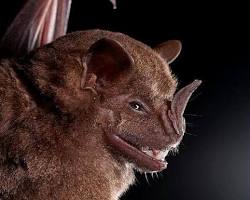
Jamaican Fruit Bats (Artibeus jamaicensis), also known as Jamaican Fruit-Eating Bats, are medium-sized tropical bats found throughout Central America, South America, the Caribbean, and parts of southern Florida. These bats are important ecological species because they function as highly effective seed dispersers and pollinators for many tropical plants and trees.
Unlike insect-eating bats, Jamaican Fruit Bats are primarily herbivorous and feed mostly on soft fruits such as figs, guava, mangoes, papayas, and bananas. Although they provide tremendous ecological benefits, they may become nuisance pests when large colonies feed on commercial fruit crops or establish roosts in buildings, attics, or abandoned structures.
Quick Facts
- Scientific Name: Artibeus jamaicensis
- Common Name: Jamaican Fruit Bat
- Order: Chiroptera
- Family: Phyllostomidae
- Main Diet: Fruit, nectar, pollen
- Main Conflict: Fruit crop feeding and roosting nuisance
- Status: Important ecological seed disperser
- Activity: Nocturnal
Taxonomy and Classification
Jamaican Fruit Bats belong to the order Chiroptera, the scientific group that includes all bats, and the family Phyllostomidae, commonly known as the New World leaf-nosed bats. They are among the best-known fruit-eating bats in the Neotropics.
A defining feature of this family is the fleshy nose leaf, a triangular structure above the nostrils believed to assist with echolocation and sound direction.
Jamaican Fruit Bats are primarily:
- Frugivores (fruit eaters)
- Nectar feeders
- Occasional pollen consumers
- Important pollinators and seed dispersers
These bats play a major ecological role in tropical forest regeneration by transporting seeds over large distances.
Physical Description
Jamaican Fruit Bats are medium-sized bats with wingspans reaching up to 18 inches and body weights around 1 to 1.6 ounces.
Key Identification Features
- Gray-brown or ashy fur
- Large dark eyes
- Distinctive nose leaf
- Pale facial stripes
- Broad dark wings
- No visible tail
Their facial markings often include pale lines above and below the eyes, giving them a distinctive appearance.
Feeding Evidence
These bats chew fruit pulp to extract juice and nutrients, then spit out fibrous material and seeds.
Common signs beneath feeding sites include:
- Fruit debris
- Chewed pulp pellets
- Dropped seeds
- Sticky fruit residue
Roosting Evidence
Colonies produce:
- Strong musky odors
- Accumulations of guano
- Continuous nighttime noise
- Dark staining around entry points
Distribution and Habitat
Jamaican Fruit Bats are widely distributed across tropical regions of the Americas.
Geographic Range
- Mexico
- Central America
- Caribbean Islands
- Northern South America
- Brazil
- Florida Keys
- Puerto Rico
- Bahamas
They inhabit a wide range of tropical ecosystems, including:
- Rainforests
- Dry tropical forests
- Urban parks
- Fruit orchards
- Agricultural areas
- Gardens
Jamaican Fruit Bats commonly roost in:
- Caves
- Hollow trees
- Dense foliage
- Palm leaf “tents”
- Attics and abandoned buildings
Some colonies create tent-like shelters by modifying palm leaves for protection from predators and weather.
Diet and Feeding Behavior
Jamaican Fruit Bats are primarily fruit specialists that prefer soft tropical fruits.
Preferred Foods
- Figs
- Mangoes
- Guavas
- Papayas
- Bananas
- Avocados
- Wild tropical fruits
Figs are considered one of their most important natural food sources.
During periods of low fruit availability, they may also consume:
- Nectar
- Pollen
- Flowers
- Leaves
- Occasional insects
Feeding Strategy
Rather than eating fruit directly from the tree, these bats often:
- Pluck fruit while flying
- Carry it to feeding roosts
- Consume juice and pulp
- Drop seeds elsewhere
This behavior makes them highly effective seed dispersers throughout tropical ecosystems.
Ecological Importance
Jamaican Fruit Bats are considered keystone species in many tropical habitats.
Seed Dispersal
By transporting and dropping seeds across forests, they help:
- Regenerate damaged forests
- Restore tropical habitats
- Increase plant diversity
- Expand fruit tree populations
Pollination
Their feeding on flowers and nectar assists with pollination of many tropical plant species.
Behavior and Conflict
Jamaican Fruit Bats are nocturnal and highly social animals that often live in communal roosts.
Agricultural Damage
Large colonies may feed heavily on commercial fruit crops including:
- Mangoes
- Bananas
- Papayas
- Guavas
- Sapodilla
Fruit damage may include:
- Partially eaten fruit
- Fruit contamination
- Premature fruit drop
- Reduced market value
Structural Nuisance
When colonies establish roosts inside buildings, they may create:
- Strong odors
- Guano accumulation
- Noise disturbances
- Health concerns
- Staining around entry points
Health Risks
Like all bats, Jamaican Fruit Bats may potentially carry rabies, though transmission to humans is rare.
Accumulated guano can also support growth of the fungus responsible for Histoplasmosis, a respiratory disease associated with inhaling fungal spores from bat droppings.
Life Cycle and Reproduction
Jamaican Fruit Bats often reproduce once or twice annually depending on fruit availability and environmental conditions.
Breeding Characteristics
- Females usually give birth to one pup
- Gestation lasts approximately 3.5 to 4 months
- Pups can fly within several weeks
- Colonies often form harem social structures
Birth timing commonly coincides with peak fruit production periods.
Management and Prevention
Management focuses on humane exclusion and crop protection rather than eradication because bats are ecologically valuable and legally protected in many regions.
Building Exclusion
The most effective method for removing bats from structures is exclusion.
- Identify all entry points
- Install one-way exit devices
- Allow bats to leave naturally
- Seal openings permanently afterward
Exclusion should never occur during maternity season when non-flying young may be trapped inside.
Crop Protection
Fruit growers commonly use:
- Fine orchard netting
- Protective fruit bags
- Tree coverings
- Harvest timing adjustments
Netting is one of the most effective non-lethal protections for high-value fruit crops.
Guano Cleanup
Guano cleanup requires protective equipment due to potential fungal spores.
- Wear respirators
- Use gloves
- Avoid dry sweeping
- Disinfect contaminated areas carefully
Interesting Facts About Jamaican Fruit Bats
- They can eat nearly their own body weight in fruit nightly.
- Figs are among their favorite foods.
- They help regenerate tropical forests.
- They often build tent-like roosts from leaves.
- They use echolocation and strong smell to locate fruit.
- They are among the most important seed dispersers in tropical ecosystems.
Conservation and Research
Jamaican Fruit Bats are considered ecologically critical in tropical ecosystems.
Research Areas
- Seed dispersal ecology
- Pollination dynamics
- Tropical forest regeneration
- Migration and movement patterns
- Disease ecology
- Human-wildlife conflict reduction
Scientists continue studying their role in restoring damaged tropical forests and maintaining biodiversity across the Caribbean and Central America.