Overview
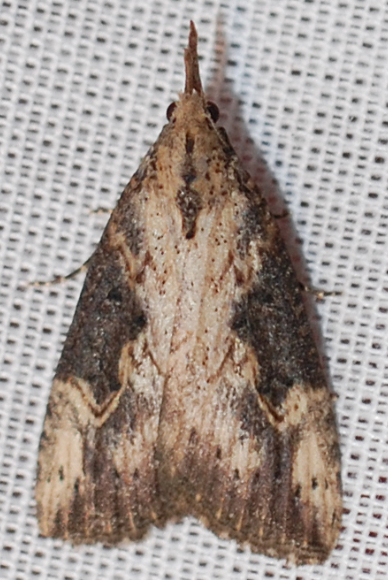
Hypena looper moths belong to the genus Hypena within the family Erebidae and are known for their caterpillar stage, which exhibits a characteristic looping movement. These insects are found in a wide range of habitats and are associated with various host plants, including agricultural crops, ornamentals, and wild vegetation.
The larval stage is the primary concern for growers, as these caterpillars feed on leaves and can cause defoliation. While many species are considered minor pests, localized outbreaks can result in noticeable plant damage.
Hypena moths are adaptable and capable of exploiting different plant species, making them persistent but often overlooked pests in agricultural and garden settings.
Identification
Larvae are slender caterpillars that move in a looping motion due to reduced prolegs. They are typically green or brown and blend well with foliage.
Adult moths are small, with triangular wings and muted coloration that provides camouflage.
Habitat
These moths are found in gardens, agricultural fields, forests, and grasslands. They are associated with areas where host plants are available.
Behavior and Life Cycle
Females lay eggs on host plants. Larvae hatch and begin feeding on leaves, progressing through several instars.
After completing development, larvae pupate in soil or plant debris. Adults emerge and reproduce.
Multiple generations may occur in a single season depending on climate conditions.
Damage and Impact
Larval feeding causes holes and defoliation in leaves. Severe infestations can reduce plant vigor and crop yields.
Damage is usually localized but may become significant in favorable conditions.
Prevention and Control
Regular monitoring and removal of larvae can help manage populations. Encouraging natural predators supports biological control.
Maintaining plant health improves resilience.
Taxonomy
- Kingdom: Animalia
- Phylum: Arthropoda
- Class: Insecta
- Order: Lepidoptera
- Family: Erebidae
- Genus: Hypena