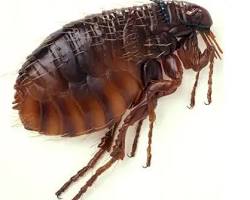
Human Fleas (Pulex irritans) are parasitic, blood-feeding insects historically associated with human habitation around the world. Although modern sanitation and widespread pest control have reduced their prevalence in many developed regions, Human Fleas still occur in homes, livestock areas, and unsanitary environments where humans and animals live in close proximity.
These fleas are medically important pests because their bites cause intense itching, allergic skin reactions, and potential secondary infections from scratching. Historically, fleas played a major role in the spread of devastating diseases. While the Human Flea is less notorious than the Oriental Rat Flea in plague transmission, it remains a significant nuisance and public health concern.
Unlike fleas that specialize primarily on cats or dogs, Human Fleas possess a broad host range and may feed on:
- Humans
- Dogs
- Cats
- Pigs
- Livestock
- Wild mammals
Their ability to survive in carpets, bedding, cracks in flooring, and furniture makes infestations difficult to eliminate without comprehensive treatment.
Quick Facts
- Common Name: Human Flea
- Scientific Name: Pulex irritans
- Order: Siphonaptera
- Family: Pulicidae
- Main Food Source: Blood
- Primary Hosts: Humans and mammals
- Main Threat: Biting irritation and disease transmission
- Distribution: Worldwide
Taxonomy and Classification
Human Fleas belong to the insect order:
- Siphonaptera
which includes all flea species.
Scientific Classification
- Kingdom: Animalia
- Phylum: Arthropoda
- Class: Insecta
- Order: Siphonaptera
- Family: Pulicidae
- Species: Pulex irritans
Human Fleas undergo complete metamorphosis with four life stages:
- Egg
- Larva
- Pupa
- Adult
Although commonly called “Human Fleas,” modern infestations involving humans are more often caused by:
However, Pulex irritans remains an important pest species globally.
Physical Description
Adult Human Fleas are extremely small, agile insects specially adapted for moving through hair, fabric, and fur.
Adult Appearance
- Dark reddish-brown coloration
- 1/12 to 1/8 inch long
- Wingless body
- Laterally flattened shape
- Hard exoskeleton
Their flattened bodies allow them to move easily through:
- Hair
- Fur
- Bedding fibers
- Carpets
Powerful Jumping Ability
Human Fleas possess enlarged hind legs capable of launching them:
- Up to 200 times their body length
This extraordinary jumping ability helps them rapidly locate hosts.
Larvae
Larvae are:
- Small and worm-like
- Legless
- Off-white in color
- Found in hidden environments
Unlike adults, flea larvae do not feed on blood directly.
Instead, they consume:
- Organic debris
- Skin flakes
- Dried blood excreted by adult fleas
Distinguishing Feature
Unlike Cat and Dog Fleas, Human Fleas:
- Lack prominent combs (ctenidia)
on the head and thorax.
Distribution and Habitat
Human Fleas occur worldwide but are more common in:
- Areas with poor sanitation
- Rural environments
- Livestock facilities
- Densely populated housing
- Animal shelters
Indoor Habitat
Most infestations develop in:
- Carpets
- Mattresses
- Pet bedding
- Floor cracks
- Furniture upholstery
- Sleeping areas
Warm temperatures and moderate humidity strongly favor flea development.
Life Cycle
Human Fleas reproduce rapidly under favorable conditions.
Egg Stage
After feeding, females lay eggs directly on hosts or nearby surfaces.
Eggs commonly fall into:
- Carpets
- Bedding
- Pet resting sites
Larval Stage
Larvae hatch within several days and hide in:
- Dark crevices
- Carpet fibers
- Dust accumulations
They avoid direct sunlight and dry conditions.
Pupal Stage
Larvae spin silk cocoons and enter the pupal stage.
This stage is highly resistant to:
- Insecticides
- Dryness
- Environmental disturbance
Pupae may remain dormant for extended periods until triggered by:
- Heat
- Carbon dioxide
- Vibration
- Host movement
Adult Emergence
Adults emerge when a suitable host is nearby and begin seeking blood meals almost immediately.
Behavior and Feeding
Human Fleas are highly mobile parasites that feed multiple times daily.
Blood Feeding
They use specialized piercing mouthparts to feed on blood from:
- Humans
- Pets
- Livestock
- Wild mammals
Host Seeking
Fleas locate hosts through:
- Body heat
- Carbon dioxide
- Movement
- Vibration
Biting Behavior
Bites often occur:
- Around ankles
- Lower legs
- Waistline
- Areas beneath tight clothing
Multiple bites commonly appear in:
- Clusters
- Lines
Damage and Health Concerns
The primary problems caused by Human Fleas include irritation, allergic reactions, and disease concerns.
Skin Reactions
- Intense itching
- Red bumps
- Inflammation
- Secondary infections from scratching
Flea Allergy Dermatitis
Some people and animals develop:
- Flea Allergy Dermatitis (FAD)
This hypersensitivity reaction can cause severe itching and chronic skin inflammation.
Disease Transmission
Historically, fleas were associated with major disease outbreaks.
Human Fleas may occasionally contribute to transmission of:
- Tapeworms (Dipylidium caninum)
- Bacterial pathogens
- Other zoonotic organisms
While not the primary plague vector, flea infestations remain important public health concerns.
Signs of Infestation
Several symptoms may indicate flea activity in a home or building.
Common Indicators
- Repeated itchy bites
- Pets scratching excessively
- Small jumping insects
- Dark flea dirt on bedding or fur
- Larvae in carpets or cracks
- Infested pet resting areas
Flea Dirt
Flea dirt consists of:
- Dried blood feces
When placed on damp paper, it often turns reddish-brown.
Prevention and Control
Successful flea management requires treating both:
- The host
- The environment
Pet Treatment
Pets should receive veterinarian-approved flea control products such as:
- Topical treatments
- Oral medications
- Flea collars
- Systemic preventatives
Vacuuming (Critical Step)
Frequent vacuuming removes:
- Eggs
- Larvae
- Pupae
- Organic debris
Vacuuming also stimulates adult emergence from dormant pupae.
Laundry
Wash all:
- Bedding
- Pet blankets
- Fabric covers
- Clothing
in hot water and dry on high heat.
Chemical Control
Professional or homeowner treatments often include:
- Adulticides
- Insect Growth Regulators (IGRs)
IGRs prevent larvae from maturing into adults.
Environmental Sanitation
- Reduce clutter
- Clean pet sleeping areas
- Seal floor cracks
- Control rodents and wildlife
Interesting Facts
- Fleas can survive months without feeding under certain conditions.
- They possess one of the most powerful jumping abilities relative to body size.
- The pupal stage is extremely resistant to pesticides.
- Flea infestations often worsen after homeowners return from vacations because dormant adults emerge when vibrations resume.
- Human Fleas historically infested homes far more commonly before modern sanitation practices.
Conservation and Research
Human Fleas are managed strictly as public health and nuisance pests.
Current research focuses on:
- Insecticide resistance
- Improved flea growth regulators
- Safer indoor treatments
- Host detection mechanisms
- Integrated pest management strategies
Scientists continue studying flea biology to improve control methods while minimizing risks to people, pets, and the environment.