Overview
Honey locust plant bugs are sap-feeding insects that primarily infest honey locust trees (Gleditsia triacanthos), a widely planted ornamental species in urban landscapes. These insects belong to the family Miridae, commonly known as plant bugs, and are considered important pests in regions where honey locust trees are extensively used for shade and decorative purposes.
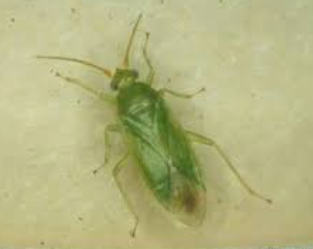
Although relatively small, honey locust plant bugs can cause noticeable damage to leaves and young shoots. Their feeding disrupts plant tissue development, leading to distorted growth, discoloration, and reduced vigor. Because honey locust trees are often valued for their aesthetic qualities, even moderate infestations can significantly affect their appearance.
These pests are most active during the spring, when new growth is emerging. Their lifecycle is closely synchronized with the development of leaves and shoots, making early-season monitoring critical for effective management.
Identification
Adult plant bugs are small, typically about 1/8 inch long, with slender bodies and long legs. They are usually greenish or brown, allowing them to blend in with foliage.
Nymphs resemble smaller versions of adults but lack fully developed wings. They are often found clustered on young leaves and shoots.
Habitat
These insects are found primarily on honey locust trees in urban and suburban environments, including streetscapes, parks, and residential landscapes.
They prefer areas with abundant new growth, which provides ideal feeding sites.
Behavior and Life Cycle
Females lay eggs in plant tissues during late summer. Eggs overwinter and hatch in spring as new growth emerges.
Nymphs feed on developing leaves and shoots, causing damage early in the growing season. Adults appear later and may continue feeding before laying eggs for the next generation.
Damage and Impact
Feeding causes leaves to become distorted, curled, or discolored. Severe infestations can result in reduced canopy density and weakened tree growth.
While rarely fatal, repeated damage can reduce the ornamental value of trees and make them more susceptible to other stressors.
Prevention and Control
Monitoring for early signs of infestation is key. Maintaining tree health and encouraging natural predators can help reduce populations.
In severe cases, targeted treatments during early nymph stages may be effective.
Taxonomy
- Kingdom: Animalia
- Phylum: Arthropoda
- Class: Insecta
- Order: Hemiptera
- Family: Miridae