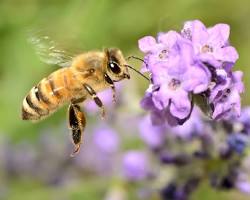
Honey Bees (Apis mellifera) are among the most important and recognizable insects in the world, playing a critical role in pollination and food production. Unlike many insects featured on Pestipedia, honey bees are overwhelmingly considered beneficial, contributing directly to the health of ecosystems and the success of agricultural systems. However, in certain situations—particularly when colonies establish nests in or near human structures—they may require careful management to balance safety with conservation.
Taxonomy and Classification
Honey bees belong to the family Apidae within the order Hymenoptera, which also includes wasps, ants, and other bees. The species Apis mellifera, commonly known as the Western Honey Bee, is the most widespread and economically significant. Within this species, there are numerous subspecies adapted to different climates and regions.
Honey bees are eusocial insects, meaning they live in highly organized colonies with distinct roles for different members.
Identification
Adult honey bees are medium-sized insects, typically measuring 10–15 mm in length. They have golden-brown bodies with black banding and are covered in fine hairs that help collect pollen. Their hind legs feature specialized structures known as pollen baskets (corbiculae), which are used to transport pollen back to the hive.
Honey bees are often confused with wasps or hornets, but they are generally less aggressive and have a more robust, fuzzy appearance. They possess two pairs of wings and a barbed stinger, which can only be used once.
Colony Structure and Behavior
A honey bee colony consists of three primary castes:
- Queen: The single reproductive female responsible for laying eggs.
- Workers: Non-reproductive females that perform tasks such as foraging, brood care, hive maintenance, and defense.
- Drones: Male bees whose primary role is to mate with a queen.
Worker bees communicate through complex behaviors such as the waggle dance, which conveys information about food sources. Colonies are highly organized and can contain tens of thousands of individuals.
Life Cycle
The life cycle of honey bees includes egg, larva, pupa, and adult stages. The queen lays eggs in wax cells within the hive. Fertilized eggs develop into workers or queens, while unfertilized eggs develop into drones.
Larvae are fed a diet of nectar and pollen, with queen larvae receiving a special substance called royal jelly. After pupation, adult bees emerge and begin their roles within the colony. Worker bees typically live several weeks during active seasons, while queens can live for several years.
Ecological Importance
Honey bees are among the most important pollinators in both natural and agricultural systems. They facilitate the reproduction of flowering plants by transferring pollen between flowers, enabling fruit and seed production.
It is estimated that a significant portion of the world’s food supply depends on pollination, with honey bees playing a central role. Crops such as almonds, apples, blueberries, and many vegetables rely heavily on bee activity.
Beyond agriculture, honey bees support biodiversity by maintaining healthy plant communities.
Honey Production and Economic Value
In addition to pollination, honey bees produce valuable products such as honey, beeswax, propolis, and royal jelly. These products have been used for food, medicine, and industrial applications for thousands of years.
The global economic impact of honey bees is immense, with pollination services alone valued in the billions of dollars annually.
Human Interaction and Risks
While honey bees are generally non-aggressive, they will defend their hive if threatened. Stings can occur when individuals come too close to a colony or disturb it. For most people, stings result in mild pain and swelling, but for individuals with allergies, they can pose serious health risks.
Honey bees may establish hives in wall voids, attics, chimneys, or other sheltered areas, bringing them into closer contact with humans.
Management and Control (IPM)
- Prevention: Seal openings in structures to prevent hive establishment.
- Monitoring: Watch for bee activity around walls, eaves, or chimneys.
- Relocation: Contact professional beekeepers to safely remove and relocate colonies.
- Avoidance: Do not disturb active hives.
- Habitat Support: Plant pollinator-friendly flowers to encourage bees away from structures.
Chemical control is generally discouraged due to the ecological importance of honey bees and the availability of non-lethal management options.
Conservation Concerns
Honey bee populations have faced significant challenges in recent decades due to factors such as habitat loss, pesticide exposure, parasites (e.g., Varroa mites), and diseases. These pressures have led to concerns about declining pollinator populations and their impact on food systems.
Efforts to support honey bees include reducing pesticide use, planting pollinator habitats, and promoting sustainable beekeeping practices.
Conclusion
Honey bees are essential to both natural ecosystems and human agriculture. While they can occasionally become a concern when nesting near homes, their benefits far outweigh their risks. Through proper understanding and management, it is possible to coexist with honey bees while supporting their critical role in pollination and biodiversity.