Overview
Holly scale insects are sap-feeding pests that infest holly plants and other ornamentals. These insects belong to the superfamily Coccoidea and include several species that attach themselves to stems and leaves, where they feed on plant fluids. Their feeding can weaken plants, reduce growth, and lead to secondary issues such as sooty mold.
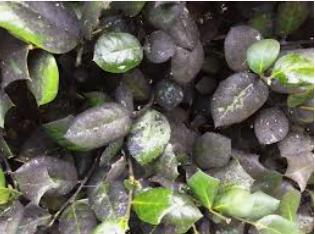
Scale insects are unique in their appearance and behavior. Adult females are typically immobile and covered by a protective waxy coating or shell, which shields them from predators and environmental conditions. This protective covering also makes them difficult to control using conventional methods.
Holly scale insects are particularly problematic in ornamental landscapes, where they can reduce the aesthetic quality of plants. Heavy infestations may cause leaf yellowing, branch dieback, and overall decline.
Identification
Scale insects appear as small, immobile bumps on stems or leaves. They may be brown, black, or white depending on the species.
Infestations may be accompanied by sticky honeydew and the growth of black sooty mold.
Habitat
These insects are found on holly plants and other ornamentals in gardens, landscapes, and nurseries.
Behavior and Life Cycle
Females lay eggs beneath their protective covering. Crawlers (young nymphs) emerge and move to new feeding sites before settling and becoming immobile.
Once established, they feed continuously on plant sap.
Damage and Impact
Feeding weakens plants, causing yellowing leaves and reduced growth. Honeydew production leads to sooty mold, which further affects plant health.
Severe infestations can cause branch dieback.
Prevention and Control
Monitoring for crawler stages and maintaining plant health are key. Natural predators can help control populations.
Taxonomy
- Kingdom: Animalia
- Phylum: Arthropoda
- Class: Insecta
- Order: Hemiptera
- Superfamily: Coccoidea