Overview
Holly bud moths are small lepidopteran pests that primarily target holly plants (Ilex species), particularly in ornamental landscapes and nursery settings. These insects are best known for their larval stage, during which caterpillars feed on developing buds and young foliage. While they are not among the most destructive pests, repeated infestations can reduce plant vigor, distort growth, and diminish the ornamental value of holly shrubs.
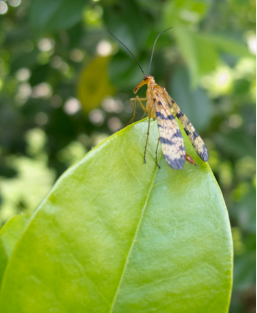
These moths are typically associated with the family Tortricidae, a group known for leaf-rolling and bud-feeding species. Their presence is often first noticed through damaged buds that fail to open properly or produce distorted leaves. Because holly plants are widely used in landscaping for their evergreen foliage and decorative berries, even minor damage can be considered undesirable.
Holly bud moths are particularly active during the spring and early summer, coinciding with the period of new growth. Their lifecycle is closely tied to the phenology of their host plants, making timing an important factor in management.
Identification
Adult moths are small and inconspicuous, often brown or gray with subtle wing patterns that provide camouflage. They are rarely seen during the day, as they are typically nocturnal.
Larvae are small caterpillars, usually green or brown, that feed within buds or on young leaves. Signs of infestation include chewed or hollowed buds, webbing, and distorted foliage.
Habitat
Holly bud moths are found wherever holly plants are grown, including residential landscapes, parks, and commercial nurseries. They prefer environments with dense plantings where shelter and food are readily available.
Behavior and Life Cycle
Females lay eggs on or near developing buds. After hatching, larvae burrow into buds or feed on emerging leaves, often remaining hidden within plant tissue.
As they grow, larvae may move to other parts of the plant, continuing to feed before pupating. Adults emerge and reproduce, with one or more generations occurring depending on climate.
Damage and Impact
Damage includes destroyed buds, distorted growth, and reduced aesthetic value. In severe cases, repeated infestations may weaken plants over time.
Because holly plants are often used ornamentally, even minor damage can be significant in landscape settings.
Prevention and Control
Regular inspection during early growth stages can help detect infestations. Pruning damaged buds and maintaining plant health can reduce impact.
Encouraging natural predators and avoiding excessive pesticide use supports ecological balance.
Taxonomy
- Kingdom: Animalia
- Phylum: Arthropoda
- Class: Insecta
- Order: Lepidoptera
- Family: Tortricidae