Overview
High Plains grasshoppers are a group of grasshopper species commonly found in the central United States, particularly in the Great Plains region. These insects belong primarily to the family Acrididae and are well adapted to the semi-arid environments of grasslands and rangelands. While grasshoppers are a natural part of these ecosystems, periodic population outbreaks can lead to significant agricultural damage.
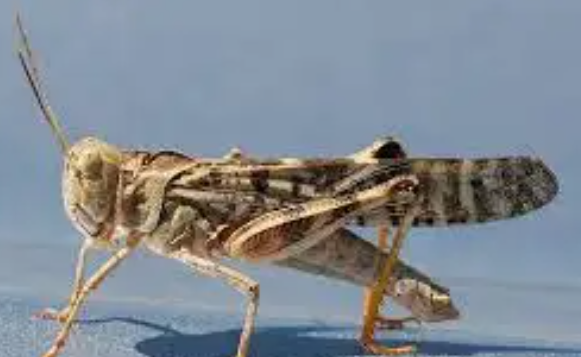
These grasshoppers feed on a wide variety of plants, including grasses, crops, and forbs. During outbreak years, their feeding can exceed the regenerative capacity of vegetation, resulting in widespread defoliation and reduced forage availability for livestock.
High Plains grasshopper populations are influenced by environmental conditions such as temperature, precipitation, and soil moisture. Dry conditions often favor their survival and reproduction, leading to population increases.
Identification
Grasshoppers vary in size and color, often blending with their surroundings. Common features include large hind legs for jumping and wings for flight.
Species in the High Plains may exhibit brown, green, or mottled coloration.
Habitat
These grasshoppers are found in grasslands, agricultural fields, and rangelands. They prefer open areas with abundant vegetation.
Behavior and Life Cycle
Females lay eggs in soil. Nymphs hatch and begin feeding immediately, passing through several stages before becoming adults.
Multiple generations may occur depending on environmental conditions.
Damage and Impact
High Plains grasshoppers can cause extensive damage to crops and natural vegetation during outbreaks.
This can lead to economic losses and reduced forage for livestock.
Prevention and Control
Monitoring populations and managing habitat conditions can help reduce outbreaks. Early intervention is key.
Taxonomy
- Kingdom: Animalia
- Phylum: Arthropoda
- Class: Insecta
- Order: Orthoptera
- Family: Acrididae