Overview
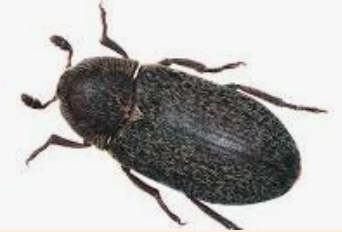
Hide beetles (Dermestes maculatus) are scavenging insects belonging to the family Dermestidae, commonly associated with animal products such as hides, skins, dried meat, and stored materials. These beetles are widely distributed and are known for their ability to break down organic matter, making them both beneficial decomposers and problematic pests in certain environments.
In natural settings, hide beetles play an important ecological role by consuming carrion and helping recycle nutrients. However, in human environments, they can infest stored animal products, museums, taxidermy collections, and even pet food, causing damage and contamination.
Their ability to thrive on a wide range of organic materials and their resistance to harsh conditions make them persistent pests in storage and processing environments.
Identification
Adult hide beetles are elongated and dark brown to black, often with a lighter band across the body. They typically measure about 1/4 to 3/8 inch in length.
Larvae are hairy and brown, with a tapered body and bristles that can cause irritation.
Habitat
These beetles are found in areas where animal products are present, including storage facilities, warehouses, and natural environments with carrion.
Behavior and Life Cycle
Females lay eggs on suitable food sources. Larvae feed on organic materials, including dried animal matter.
Larvae often burrow into materials to pupate, which can cause structural damage.
Damage and Impact
Hide beetles can damage stored goods, contaminate products, and affect museum collections.
Their presence can also indicate sanitation issues.
Prevention and Control
Proper storage, sanitation, and removal of organic waste are essential to prevent infestations.
Taxonomy
- Kingdom: Animalia
- Phylum: Arthropoda
- Class: Insecta
- Order: Coleoptera
- Family: Dermestidae
- Species: Dermestes maculatus