Overview
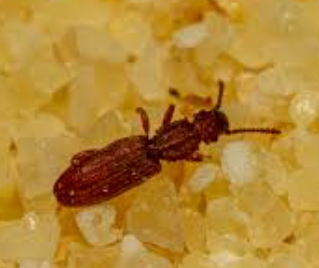
Hidden grain beetles (Cryptolestes spp.) are small but significant stored-product pests that infest grains, cereals, and other dried food materials. Belonging to the family Laemophloeidae, these beetles are commonly found in grain storage facilities, warehouses, and household pantries. Their name comes from their ability to remain concealed within food products, often going unnoticed until infestations become severe.
These beetles are considered secondary pests, meaning they typically infest grain that is already damaged, moldy, or broken. However, once established, they can reproduce quickly and contribute to further degradation of stored products. Their presence can reduce food quality, introduce contaminants, and create economic losses in both commercial and residential settings.
The High Plains grasshopper (Dissosteira longipennis) is a large, migratory band-winged species native to the shortgrass prairies of the central U.S., specifically areas in Colorado, Kansas, Nebraska, New Mexico, and Texas
Hidden grain beetles are particularly problematic in warm and humid conditions, which accelerate their life cycle and population growth. Because of their small size and cryptic behavior, infestations can be difficult to detect early.
Identification
Adult hidden grain beetles are very small, typically about 1/10 inch long, with flattened bodies that allow them to move easily through grain kernels. They are reddish-brown and have elongated bodies with long antennae.
Larvae are tiny, pale, and difficult to see without magnification. Infestations are often detected through damaged grain and the presence of beetles in stored products.
Habitat
These beetles are found in stored grain, flour, cereals, and other dried food products. They are common in warehouses, grain silos, and household pantries.
They prefer warm, humid environments where food sources are abundant.
Behavior and Life Cycle
Female beetles lay eggs within food materials. Larvae hatch and feed on grain particles, mold, and debris.
The life cycle is relatively short, allowing multiple generations to occur in a single year under favorable conditions.
Adults are active and may disperse to new food sources, spreading infestations.
Damage and Impact
Hidden grain beetles contaminate food products with their presence, feces, and shed skins. Infestations can reduce food quality and lead to spoilage.
In commercial settings, infestations can result in significant economic losses.
Prevention and Control
Proper storage, sanitation, and regular inspection are essential. Sealing food containers and reducing moisture can help prevent infestations.
Taxonomy
- Kingdom: Animalia
- Phylum: Arthropoda
- Class: Insecta
- Order: Coleoptera
- Family: Laemophloeidae
- Genus: Cryptolestes