Overview
Hickory shuckworms (Cydia caryana) are moth larvae that specialize in feeding on the husks, or “shucks,” of hickory and pecan nuts. These pests are particularly significant in pecan production regions, where they can cause substantial economic losses by reducing nut quality and yield. They belong to the family Tortricidae, a group of moths known for their plant-feeding larvae.
Unlike pests that directly consume the edible portion of the nut, hickory shuckworms feed on the outer husk. However, this damage can interfere with nut development, leading to shriveled kernels, delayed maturity, and reduced market value.
These insects are especially problematic in warm climates where multiple generations can occur within a single growing season.
Identification
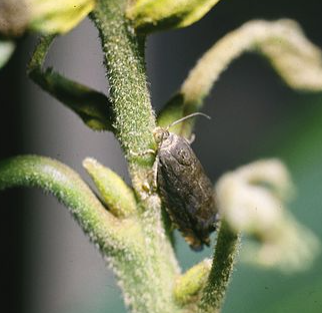
Larvae are small, cream-colored caterpillars found within nut husks. Adults are small moths with mottled brown or gray wings.
Signs of infestation include premature husk splitting and discolored or damaged nuts.
Habitat
Hickory shuckworms are found in orchards, forests, and landscapes where hickory and pecan trees grow.
Behavior and Life Cycle
Adult moths lay eggs on developing nuts. Larvae bore into the husk and feed internally.
Multiple generations may occur each season, increasing damage potential.
Damage and Impact
Feeding damages nut husks, leading to poor kernel development and reduced yields.
Infestations can significantly affect commercial pecan production.
Prevention and Control
Monitoring and timing of control measures are critical. Removing infested nuts can help reduce populations.
Taxonomy
- Kingdom: Animalia
- Phylum: Arthropoda
- Class: Insecta
- Order: Lepidoptera
- Family: Tortricidae
- Species: Cydia caryana