Overview
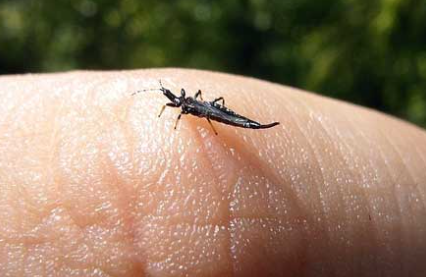
Hemp thrips are small, slender insects belonging to the order Thysanoptera that feed on cannabis and hemp plants. These pests are known for their ability to cause significant damage through feeding and their potential role in transmitting plant pathogens. Thrips are common in both indoor and outdoor cultivation systems, making them a persistent challenge for growers.
Unlike larger pests, thrips often go unnoticed until damage becomes visible. Their feeding causes characteristic silvery or stippled patterns on leaves, which can reduce photosynthesis and weaken plants. In severe infestations, leaves may become distorted or discolored, and overall plant growth may be affected.
Thrips are particularly problematic because of their rapid life cycle and ability to reproduce quickly. Their small size allows them to hide in crevices, making detection and control difficult.
Identification
Hemp thrips are tiny, typically less than 2 mm long, with slender bodies and fringed wings. They are usually yellow, brown, or black.
Damage includes silvery streaks on leaves and small black spots of excrement.
Habitat
These insects are found on leaves, stems, and flowers. They thrive in warm environments and are common in greenhouses and indoor grow operations.
Behavior and Life Cycle
Thrips feed by scraping plant tissue and sucking up the contents. This feeding damages cells and creates visible discoloration.
They reproduce quickly, with multiple generations occurring in a single season.
Damage and Impact
Feeding reduces plant vigor and may lead to reduced yields. Thrips can also transmit plant viruses, increasing their impact.
Prevention and Control
Monitoring, maintaining airflow, and using biological controls can help manage populations.
Taxonomy
- Kingdom: Animalia
- Phylum: Arthropoda
- Class: Insecta
- Order: Thysanoptera