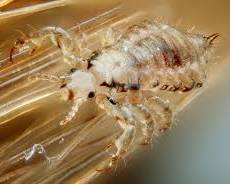
Head Lice (Pediculus humanus capitis) are tiny, wingless parasitic insects that live exclusively on the human scalp and hair. Infestation, known as pediculosis, is one of the most common public health nuisances worldwide, particularly among school-age children. Although head lice do not transmit serious diseases, they cause intense itching, skin irritation, sleep disruption, and significant social stress for affected families.
Head lice survive entirely on human blood and cannot live long away from the scalp. They spread primarily through direct head-to-head contact, making schools, daycare centers, camps, and households common locations for transmission. Contrary to popular myths, head lice are not associated with poor hygiene or unclean living conditions and can infest individuals from any socioeconomic background.
Because infestations can spread rapidly before detection, early identification and proper treatment are essential for successful control. Resistance to some traditional lice treatments has also increased in many regions, making thorough nit removal and integrated management more important than ever.
Quick Facts
- Common Name: Head Lice
- Scientific Name: Pediculus humanus capitis
- Order: Psocodea
- Main Host: Humans
- Main Symptom: Intense scalp itching
- Spread By: Direct head-to-head contact
- Medical Importance: Public health nuisance
- Most Common In: Children ages 3–11
Taxonomy and Classification
Head lice belong to the order Psocodea, a group that includes parasitic lice species adapted to feeding on mammals and birds.
Scientific Classification
- Kingdom: Animalia
- Phylum: Arthropoda
- Class: Insecta
- Order: Psocodea
- Family: Pediculidae
- Species: Pediculus humanus capitis
Head lice are distinct from:
- Body lice
- Pubic lice (crabs)
Each species specializes in a different area of the human body and behaves differently.
Physical Description
Adult head lice are very small insects, roughly the size of a sesame seed.
Adult Lice
- 2–3 mm long
- Wingless
- Flattened body shape
- Grayish-white or tan coloration
- May appear reddish after feeding
They possess six legs equipped with specialized claws designed to tightly grasp human hair shafts.
Nits (Eggs)
The eggs of head lice are called nits.
- Oval-shaped
- White, yellowish, or tan
- About 1 mm long
- Firmly attached to hair shafts
Unlike dandruff or debris, nits cannot be easily brushed or flicked off the hair.
Nymphs
Newly hatched lice are called nymphs.
- Smaller versions of adults
- Require frequent blood meals
- Mature within about 7–10 days
Distribution and Habitat
Head lice occur worldwide and affect people of all ages, races, and income levels.
Preferred Habitat
Their habitat is limited exclusively to:
- Human scalp hair
- Warm areas behind the ears
- The nape of the neck
The scalp provides:
- Warmth
- Humidity
- Frequent blood access
Without a human host, head lice usually die within 1–2 days.
Life Cycle
Head lice undergo simple metamorphosis with three main stages:
- Egg (nit)
- Nymph
- Adult
Egg Stage
Female lice cement nits directly onto hair shafts near the scalp.
Eggs typically hatch within:
- 7–10 days
Nymph Stage
Nymphs begin feeding immediately after hatching.
They molt several times while developing into adults.
Adult Stage
Adults live approximately:
- 30 days on the host
Females may lay:
- Up to 10 eggs daily
This rapid reproduction allows infestations to increase quickly if untreated.
Behavior and Ecology
Head lice are highly specialized parasites adapted specifically to human scalp hair.
Feeding Behavior
Lice feed several times each day by piercing the scalp and consuming blood.
During feeding they inject saliva, which triggers allergic reactions and itching in sensitive individuals.
Movement
Head lice:
- Cannot fly
- Cannot jump
- Move only by crawling
Transmission almost always occurs through direct hair contact.
Survival Adaptations
Their claws are perfectly adapted for gripping round human hair shafts, allowing them to move quickly through hair while resisting removal.
Symptoms and Damage
The primary impact of head lice is irritation and discomfort rather than serious medical harm.
Common Symptoms
- Intense scalp itching
- Tickling sensation in hair
- Difficulty sleeping
- Red bumps on scalp or neck
- Skin irritation from scratching
Secondary Problems
Persistent scratching may cause:
- Open sores
- Bacterial skin infections
- Inflammation
Psychological Impact
Head lice often create:
- Embarrassment
- Anxiety
- Social stigma
- Missed school days
Despite common misconceptions, infestation is not a sign of poor hygiene.
Signs of Infestation
Careful inspection of the scalp and hair is essential for diagnosis.
Common Indicators
- Visible nits attached to hair shafts
- Moving lice near the scalp
- Persistent itching
- Red irritated skin
- Scratching behind ears and neck
Nits are often easiest to locate:
- Behind the ears
- At the base of the neck
- Near warm scalp areas
Prevention and Control
Effective management requires both chemical treatment and mechanical nit removal.
Medicated Treatments
Over-the-counter lice treatments commonly contain:
- Permethrin
- Pyrethrins
Prescription treatments may be required for resistant infestations.
Always:
- Follow label instructions carefully
- Repeat treatment if recommended
- Treat all active infestations simultaneously
Nit Combing
Mechanical removal using a fine-toothed nit comb is essential.
Daily combing for two weeks helps remove:
- Nits
- Nymphs
- Surviving adults
Cleaning Personal Items
Wash items used recently by the infested individual:
- Bedding
- Clothing
- Towels
- Hats
Use:
- Hot water
- High dryer heat
Combs and brushes should be soaked in hot water for at least 10 minutes.
Avoiding Spread
- Avoid head-to-head contact
- Do not share hairbrushes
- Avoid sharing hats or helmets
- Inspect household members regularly
Interesting Facts
- Head lice have parasitized humans for thousands of years.
- They cannot survive long away from the human scalp.
- Lice claws are specially adapted to human hair thickness.
- Infestations are extremely common among school-age children.
- Resistance to traditional lice shampoos is increasing worldwide.
Conservation and Research
Research involving head lice focuses heavily on:
- Insecticide resistance
- Non-chemical treatment options
- Heat-based lice control systems
- Improved public health education
- Genetics of resistant lice populations
Scientists continue developing safer and more effective approaches for managing lice infestations while reducing chemical exposure in children.