Overview
Hawkmoths, also known as sphinx moths, belong to the family Sphingidae and are among the most recognizable and ecologically important moths worldwide. Known for their rapid, hovering flight and long proboscis, hawkmoths are often compared to hummingbirds and play a significant role as pollinators, particularly for night-blooming plants.
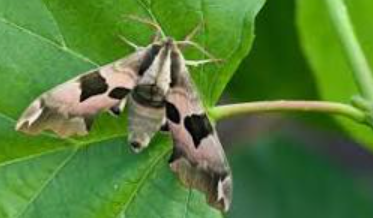
The life cycle of hawkmoths includes a larval stage commonly referred to as hornworms. These caterpillars are often large and may feed heavily on host plants such as tomatoes, tobacco, and various ornamentals. While adult moths are beneficial pollinators, larvae can sometimes be considered pests due to their feeding habits.
Hawkmoths are found in a wide range of environments, from gardens and agricultural fields to forests and deserts. Their adaptability and strong flight capabilities allow them to travel long distances in search of food and suitable habitats.
Identification
Adult hawkmoths are medium to large moths with streamlined bodies and long, narrow wings. They are capable of hovering while feeding.
Larvae are large caterpillars with a distinctive horn-like structure at the rear.
Habitat
These moths are found in diverse environments, including gardens, fields, and natural landscapes. They are often associated with flowering plants.
Behavior and Feeding
Adult hawkmoths feed on nectar and are important pollinators. Larvae feed on plant leaves and may cause damage.
Many species are nocturnal, though some are active during the day.
Impact
Hawkmoths are both beneficial pollinators and occasional plant pests in their larval stage.
Prevention and Control
Hand removal of larvae can reduce plant damage. Encouraging natural predators helps maintain balance.
Taxonomy
- Kingdom: Animalia
- Phylum: Arthropoda
- Class: Insecta
- Order: Lepidoptera
- Family: Sphingidae