Overview
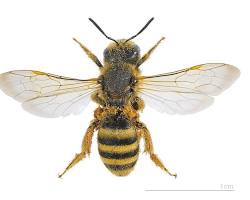
Halictid Sweat Bees are a diverse group of small to medium-sized bees belonging to the family Halictidae. These bees are among the most widespread and commonly encountered native pollinators in the world. They are frequently seen visiting flowers in gardens, agricultural fields, parks, and urban landscapes, where they play a major role in pollination and ecosystem health.
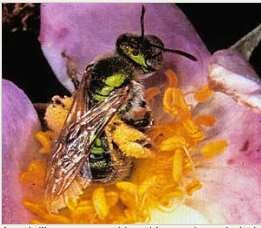
The name “sweat bee” comes from the unusual behavior of some species being attracted to human perspiration. Sweat contains salts and minerals that these bees may seek out during hot weather. Although this behavior can surprise people, halictid sweat bees are generally harmless and non-aggressive.
Halictid bees are considered extremely beneficial insects because they pollinate a wide range of flowering plants, including many agricultural crops and native wildflowers. Without pollinators such as sweat bees, many plants would struggle to reproduce successfully.
The family Halictidae includes thousands of species that vary greatly in appearance and behavior. Some species are solitary and live independently, while others display primitive social behaviors similar to those of honey bees and bumblebees. This makes halictid sweat bees scientifically important for understanding the evolution of insect sociality.
Unlike aggressive stinging insects such as yellowjackets or hornets, sweat bees rarely sting unless trapped or directly threatened. Their ecological importance far outweighs the mild nuisance they may occasionally cause around humans.
Quick Facts
- Common Name: Halictid Sweat Bees
- Family: Halictidae
- Order: Hymenoptera
- Main Role: Pollination
- Habitat: Gardens, fields, forests, urban areas
- Diet: Nectar and pollen
- Nesting Style: Mostly ground nesting
- Threat Level: Beneficial insect
Taxonomy and Classification
Halictid sweat bees belong to one of the largest bee families in the world.
- Kingdom: Animalia
- Phylum: Arthropoda
- Class: Insecta
- Order: Hymenoptera
- Family: Halictidae
The family contains thousands of species distributed across nearly every continent except Antarctica.
Common genera include:
- Halictus
- Lasioglossum
- Agapostemon
- Nomia
Many metallic green bees commonly seen in gardens belong to this family.
Identification
Halictid sweat bees vary considerably in color and size depending on species.
Physical Appearance
- Usually less than 1/2 inch long
- Slender or compact body shape
- Metallic green, blue, bronze, black, or brown coloration
- Transparent wings
- Moderate body hair used for pollen collection
Some species appear brilliantly metallic, making them among the most visually striking native bees.
Behavior Around Humans
Sweat bees are often noticed hovering near people during warm weather because they are attracted to perspiration.
This attraction is due to:
- Sodium in sweat
- Mineral content
- Moisture
Despite this behavior, they rarely sting.
Distinguishing Features
Halictid sweat bees can often be distinguished from other bees by:
- Smaller body size
- Metallic coloration
- Ground-nesting habits
- Quick flight movements
Habitat and Distribution
Halictid sweat bees are among the most adaptable bee groups in the world.
Common Habitats
- Gardens
- Meadows
- Prairies
- Forests
- Agricultural fields
- Urban landscapes
- Parks
They thrive in environments with abundant flowering plants and suitable nesting areas.
Ground Nesting
Most halictid bees nest underground.
Females excavate tunnels in:
- Bare soil
- Sandy ground
- Dry embankments
- Sparse lawns
Nests may consist of:
- Main vertical tunnels
- Small side chambers
- Pollen storage cells
- Larval chambers
Sunny, well-drained soil is especially attractive for nesting.
Geographic Range
Halictid bees are found globally and occur throughout North America, Europe, Asia, Africa, and Australia.
Behavior and Ecology
Sweat bees display fascinating behaviors that make them important both ecologically and scientifically.
Pollination
These bees feed primarily on:
- Nectar
- Pollen
As they move between flowers, they transfer pollen and help plants reproduce.
They pollinate:
- Wildflowers
- Vegetables
- Fruit crops
- Herbs
- Ornamental plants
Social Behavior
Halictid bees are known for having varying social structures.
Depending on species, they may be:
- Solitary
- Communal
- Semi-social
- Primitively eusocial
Some colonies contain cooperative females that share nest responsibilities.
This diversity makes halictids important research subjects in evolutionary biology.
Seasonal Activity
Most sweat bees are active during warm months when flowers are abundant.
They are especially common:
- Spring
- Summer
- Early fall
Defensive Behavior
Halictid sweat bees are usually calm and avoid confrontation.
Stings generally occur only when:
- Handled directly
- Trapped in clothing
- Nests are disturbed
Their stings are typically mild compared to wasps or hornets.
Life Cycle
Halictid sweat bees undergo complete metamorphosis.
Egg Stage
Females lay eggs in underground chambers provisioned with pollen and nectar.
Larval Stage
Larvae feed on stored pollen supplied by the mother bee.
Pupal Stage
The developing bee pupates inside the nest chamber.
Adult Stage
Adults emerge to forage, reproduce, and establish new nests.
Many species produce multiple generations annually in warm climates.
Ecological Importance
Halictid sweat bees are among the most important native pollinators in many ecosystems.
Benefits to Agriculture
These bees help pollinate:
- Tomatoes
- Sunflowers
- Melons
- Berries
- Squash
- Wild plants
Their pollination improves:
- Fruit production
- Seed development
- Plant diversity
- Crop yields
Support for Biodiversity
By pollinating native plants, sweat bees help support:
- Bird populations
- Butterflies
- Other pollinators
- Healthy ecosystems
Signs of Presence
- Small bees visiting flowers
- Metallic green or blue bees in gardens
- Tiny holes in bare soil
- Bees hovering near perspiration
- Ground nesting activity
Prevention and Management
Because halictid sweat bees are beneficial pollinators, control is generally unnecessary and discouraged.
Avoiding Conflicts
- Avoid swatting at bees
- Wear light-colored clothing outdoors
- Rinse perspiration during outdoor work
- Watch for nesting areas in bare soil
Protecting Pollinators
Supporting sweat bee populations benefits both gardens and ecosystems.
Helpful practices include:
- Planting pollinator-friendly flowers
- Avoiding excessive pesticide use
- Leaving small patches of bare soil
- Providing continuous blooming plants
Interesting Facts
- Some sweat bees are brilliantly metallic green.
- They are among the world’s most abundant native bees.
- Their attraction to sweat is caused by salt cravings.
- Many species are active even in urban environments.
- Some species display primitive forms of social behavior.
- They are important pollinators for both crops and wild plants.
Conservation and Research
Like many pollinators, halictid sweat bees face environmental pressures from:
- Pesticide exposure
- Habitat loss
- Urban development
- Climate change
Researchers continue studying halictid bees because they provide valuable insight into:
- Pollinator ecology
- Bee evolution
- Social insect behavior
- Pollination networks
Conservation efforts increasingly focus on protecting native pollinators such as sweat bees by preserving flowering habitats and reducing pesticide use.