Overview
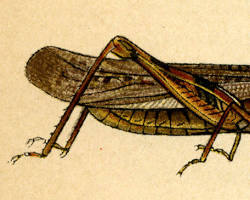
Hailstorm Grasshoppers is a descriptive term used for massive grasshopper outbreaks that occur in extremely high densities, often resembling a moving “storm” of insects sweeping across fields, roads, and landscapes. While not a single species, the term commonly refers to outbreak populations of grasshoppers within the family Acrididae, which includes many of the most economically destructive agricultural grasshopper species in North America and other semi-arid regions of the world.
These outbreaks can devastate crops, rangelands, gardens, and native vegetation in a remarkably short period of time. During severe infestations, thousands or even millions of grasshoppers may feed simultaneously, stripping plants of leaves, stems, flowers, and grain heads. The result is often widespread agricultural loss and significant ecological stress.
Grasshopper populations naturally fluctuate from year to year, but certain environmental conditions can trigger explosive population growth. Extended drought, warm temperatures, reduced fungal disease pressure, and a lack of natural predators can create ideal breeding conditions. Once populations reach outbreak levels, the insects may move in large migratory waves, consuming nearly every available food source in their path.
Hailstorm grasshopper outbreaks are especially problematic throughout the Great Plains, western United States, prairie regions of Canada, and other dry grassland ecosystems where grasshoppers are already common components of the environment.
Quick Facts
- Common Name: Hailstorm Grasshoppers
- Main Family: Acrididae
- Primary Threat: Severe crop and vegetation damage
- Main Habitat: Grasslands, fields, pastures
- Feeding Type: Herbivorous chewing insect
- Outbreak Trigger: Warm, dry conditions
- Activity Season: Spring through fall
Taxonomy and Classification
Hailstorm grasshoppers belong primarily to the family Acrididae, which contains short-horned grasshoppers and many major agricultural pest species.
- Kingdom: Animalia
- Phylum: Arthropoda
- Class: Insecta
- Order: Orthoptera
- Family: Acrididae
Several destructive species may contribute to outbreak conditions, including:
- Melanoplus differentialis (Differential Grasshopper)
- Melanoplus sanguinipes (Migratory Grasshopper)
- Camnula pellucida (Clear-winged Grasshopper)
- Melanoplus bivittatus (Two-striped Grasshopper)
These species undergo incomplete metamorphosis, developing through egg, nymph, and adult stages.
Identification
Grasshoppers vary greatly in color, size, and markings depending on species and environmental conditions.
Adult Appearance
Most outbreak grasshoppers share several common features:
- Elongated bodies
- Large hind legs adapted for jumping
- Short antennae
- Powerful chewing mouthparts
- Two pairs of wings
Coloration may include:
- Brown
- Green
- Gray
- Olive
- Tan
Many species display camouflage patterns that blend with dry grasses and soil.
Nymphs
Immature grasshoppers resemble smaller wingless adults.
As they molt and grow, wing pads gradually develop until adulthood.
Outbreak Conditions
During hailstorm outbreaks:
- Thousands may gather in a single field
- Roadways may become covered with insects
- Grasshoppers may fly or jump in dense waves
- Vegetation may disappear rapidly
The visual effect often resembles a moving insect storm.
Habitat and Distribution
Hailstorm grasshopper outbreaks occur primarily in:
- Grasslands
- Prairies
- Pasturelands
- Agricultural fields
- Rangelands
- Semi-arid environments
Geographic Range
Major outbreak regions include:
- Great Plains of the United States
- Western U.S.
- Canadian prairie provinces
- Dry agricultural regions worldwide
Warm temperatures and periodic drought conditions strongly favor outbreak development.
Preferred Vegetation
Grasshoppers feed on a wide variety of plants, including:
- Native grasses
- Wheat
- Corn
- Alfalfa
- Soybeans
- Vegetables
- Ornamental plants
Life Cycle
Most grasshopper species complete one generation per year.
Egg Stage
Females lay eggs in soil during late summer and fall.
Eggs are deposited in protective pods beneath the soil surface.
Nymph Stage
Eggs hatch in spring or early summer.
Young nymphs immediately begin feeding on nearby vegetation.
Nymphs molt through several stages called instars before reaching adulthood.
Adult Stage
Adults develop functional wings and become highly mobile.
Large populations may migrate considerable distances in search of food.
Behavior and Ecology
Grasshoppers are highly adaptable herbivores with tremendous feeding capacity.
Mass Feeding Behavior
During outbreak years:
- Competition for food intensifies
- Grasshoppers consume nearly all available vegetation
- Large groups move together across landscapes
- Migration becomes more common
The resulting movement patterns create the “hailstorm” effect associated with severe outbreaks.
Environmental Triggers
Several conditions promote outbreak development:
- Drought conditions
- Warm winters
- Reduced fungal pathogens
- Low predator populations
- Abundant early vegetation
Extended dry weather is especially important because fungal diseases that naturally suppress grasshoppers are less effective in low humidity.
Damage and Impact
Hailstorm grasshoppers are among the most destructive chewing agricultural pests.
Crop Damage
Grasshoppers feed on:
- Leaves
- Stems
- Flowers
- Seeds
- Grain heads
- Young seedlings
Heavy infestations may:
- Destroy entire fields
- Reduce crop yields dramatically
- Kill young plants
- Delay plant growth
Pasture Damage
Pasturelands may lose substantial forage during outbreaks.
This creates problems for livestock producers because:
- Grazing capacity declines
- Supplemental feed becomes necessary
- Soil erosion risk increases
Ecological Effects
Severe outbreaks can alter ecosystems by:
- Reducing native vegetation
- Changing plant competition
- Increasing soil exposure
- Affecting wildlife food availability
Signs of Infestation
- Large grasshopper populations in fields
- Chewed leaves and stems
- Rapid vegetation loss
- Visible swarms moving across landscapes
- Seedling destruction
- Crop thinning
- Heavy insect activity along roadsides
Prevention and Control
Early detection and integrated pest management are essential for controlling outbreak populations.
Monitoring
Regular monitoring allows early intervention before populations explode.
Monitoring methods include:
- Visual field surveys
- Sweep net sampling
- Population density counts
- Egg pod surveys
Biological Control
Natural enemies help suppress grasshopper populations:
- Birds
- Parasitic flies
- Predatory beetles
- Spiders
- Fungal pathogens
One important biological control is:
- Nosema locustae (microsporidian pathogen)
Habitat Management
Vegetation management may reduce breeding habitat by:
- Managing weeds
- Reducing unmanaged grass growth
- Improving pasture rotation
- Encouraging healthy plant diversity
Chemical Control
In severe outbreaks, targeted insecticides may be necessary.
Applications are most effective against young nymphs before they become fully mobile adults.
Large-scale aerial treatments are sometimes used in agricultural regions experiencing major outbreaks.
Interesting Facts
- Some outbreaks involve millions of grasshoppers.
- Grasshoppers can consume their own body weight in food daily.
- Warm, dry years often trigger population explosions.
- Large swarms may travel considerable distances.
- Outbreaks have historically caused severe agricultural disasters.
- Grasshoppers are among the oldest groups of herbivorous insects on Earth.
Conservation and Research
Research on hailstorm grasshoppers focuses on:
- Outbreak prediction models
- Climate influence on populations
- Biological control development
- Sustainable rangeland management
- Reduced-risk insecticides
Scientists continue studying how climate change, drought cycles, and land management practices influence large-scale grasshopper outbreaks worldwide.