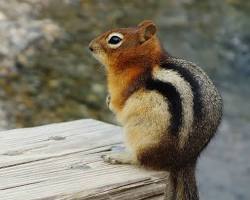
Ground Squirrels (Spermophilus and Otospermophilus genera) are burrowing rodents that live primarily underground rather than in trees. These highly social mammals are widespread across North America and Eurasia and are common inhabitants of grasslands, agricultural fields, rangelands, golf courses, and open landscapes.
Although ground squirrels play important ecological roles as seed dispersers and prey animals, they are also regarded as serious agricultural and nuisance pests because of their extensive burrowing activity. Their tunnels damage crop roots, weaken irrigation systems, undermine foundations, and create dangerous tripping hazards for livestock and humans.
Some species, particularly the California Ground Squirrel (Otospermophilus beecheyi), are also monitored as potential reservoirs for fleas that can transmit plague bacteria. ([cdc.gov](https://www.cdc.gov/plague/healthcare/clinicians/index.html))
Quick Facts
- Family: Sciuridae
- Genera: Spermophilus, Otospermophilus
- Habitat: Grasslands, farms, pastures, open terrain
- Diet: Seeds, grasses, roots, crops
- Status: Agricultural and nuisance pest
- Length: Approximately 6–18 inches
- Activity: Diurnal (active during the day)
- Special Trait: True hibernators
Taxonomy and Classification
Ground squirrels belong to the family Sciuridae, which includes tree squirrels, chipmunks, prairie dogs, marmots, and flying squirrels.
Unlike tree squirrels such as the Grey Squirrel, ground squirrels spend most of their lives in underground burrow systems.
Common North American species include:
- California Ground Squirrel (Otospermophilus beecheyi)
- Richardson’s Ground Squirrel (Spermophilus richardsonii)
- Thirteen-lined Ground Squirrel (Ictidomys tridecemlineatus)
- Arctic Ground Squirrel (Urocitellus parryii)
Most species undergo seasonal hibernation, spending months underground in deep dormancy during winter. Some species may also aestivate during periods of extreme heat or drought. ([nationalzoo.si.edu](https://nationalzoo.si.edu/animals/ground-squirrel))
Physical Description
Ground squirrels are stocky, medium-sized rodents with shorter, less bushy tails than tree squirrels.
Size and Shape
Most species range from approximately 6 to 18 inches long depending on species.
They possess:
- Compact muscular bodies
- Strong digging claws
- Short rounded ears
- Large dark eyes
- Shorter tails than tree squirrels
Coloration
Coloration varies widely among species and may include:
- Solid gray
- Brown
- Speckled fur
- Striped patterns
- Mottled markings
These colors provide camouflage against soil and dry vegetation.
Burrow Systems
Ground squirrels create extensive underground tunnel systems containing:
- Multiple entrances
- Nesting chambers
- Food storage areas
- Escape tunnels
Burrow entrances are often marked by visible mounds of excavated soil.
Defensive Behavior
Ground squirrels commonly stand upright on their hind legs to scan for predators. They communicate danger using alarm calls and tail movements. ([nps.gov](https://www.nps.gov/articles/000/california-ground-squirrel.htm))
Distribution and Habitat
Ground squirrels are widespread throughout open habitats across North America, Europe, and Asia.
Preferred habitats include:
- Prairies
- Grasslands
- Pastures
- Agricultural fields
- Golf courses
- Levees
- Road embankments
- Open rangelands
They prefer:
- Well-drained soils
- Open visibility
- Sparse vegetation
- Areas suitable for digging
Ground squirrels thrive in landscapes where predators can be detected easily from a distance.
Behavior and Feeding Habits
Ground squirrels are highly social rodents that often live in colonies with interconnected burrow systems.
Diet
They are primarily herbivorous and feed on:
- Seeds
- Grasses
- Roots
- Forage crops
- Grain
- Nuts
- Fruits
- Occasionally insects
Feeding usually occurs close to burrow entrances for quick escape from predators.
Hibernation
Most species are true hibernators.
During winter, body temperature and metabolic activity drop dramatically while the squirrels remain underground for several months. Some Arctic species experience among the coldest body temperatures recorded in mammals during hibernation. ([nationalgeographic.com](https://www.nationalgeographic.com/animals/article/arctic-ground-squirrel-hibernation-coldest-body-temperature))
Predator Avoidance
Predators include:
- Hawks
- Coyotes
- Foxes
- Badgers
- Snakes
- Owls
Alarm calls warn nearby colony members of approaching threats.
Agricultural and Structural Damage
Ground squirrels are considered serious pests in many agricultural and developed areas.
Burrow Damage
Their tunnel systems may:
- Undermine irrigation canals
- Weaken roads and levees
- Damage foundations
- Create sinkholes
- Destabilize embankments
Crop Damage
Ground squirrels consume large amounts of:
- Hay
- Grain crops
- Vegetable plants
- Pasture forage
- Young seedlings
Crop losses may become significant in heavily infested agricultural areas.
Livestock Hazards
Burrow openings pose serious injury risks to:
- Horses
- Cattle
- Livestock equipment
- Farm vehicles
Animals may break legs by stepping into collapsed tunnels.
Disease Concerns
Certain ground squirrel species can carry fleas associated with plague transmission. Public health monitoring is therefore important in some western states. ([cdc.gov](https://www.cdc.gov/plague/index.html))
Management and Prevention
Ground squirrel management often requires long-term, persistent control efforts.
Habitat Modification
- Reduce dense ground cover
- Remove food sources
- Manage weeds and tall vegetation
- Reduce irrigation leakage
Exclusion
Small protected areas may be fenced using buried hardware cloth extending:
- At least 12 inches underground
- Approximately 12 inches above ground
Trapping
Both live traps and lethal traps are used depending on local regulations.
Fumigation and Baiting
In agricultural settings, licensed professionals may use:
- Burrow fumigants
- Restricted-use toxic baits
- Aluminum phosphide treatments
These methods require strict safety precautions because of toxicity risks.
Ecological Importance
Despite their pest status, ground squirrels contribute to ecosystems through:
- Soil aeration
- Seed dispersal
- Serving as prey species
- Providing abandoned burrows for other wildlife
Many predators depend heavily on ground squirrel populations for food.
Interesting Facts About Ground Squirrels
- Many species hibernate for several months each year.
- Ground squirrels communicate with alarm calls.
- Some species live in large social colonies.
- Their burrows may contain multiple escape tunnels.
- Arctic ground squirrels survive extremely low body temperatures during hibernation.