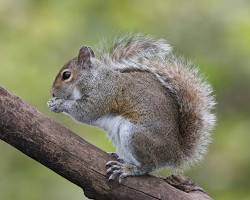
Grey Squirrels (Sciurus carolinensis), commonly referring to the Eastern Grey Squirrel, are highly adaptable, bushy-tailed rodents native to the eastern half of North America. These squirrels are among the most recognizable mammals in parks, forests, suburban neighborhoods, and urban environments.
Grey squirrels are ecologically important because they disperse seeds and nuts through their food-caching behavior, helping regenerate forests. However, they are also considered nuisance pests around homes and gardens due to their tendency to invade attics, raid bird feeders, dig in lawns and flower beds, and gnaw on wood and electrical wiring.
The Eastern Grey Squirrel is one of the most successful urban wildlife species in North America due to its intelligence, agility, and ability to thrive alongside humans. :contentReference[oaicite:1]{index=1}
Quick Facts
- Scientific Name: Sciurus carolinensis
- Family: Sciuridae
- Habitat: Forests, parks, suburbs, cities
- Diet: Nuts, seeds, fruits, buds, fungi
- Status: Common urban and woodland mammal
- Length: 9–12 inches (excluding tail)
- Activity: Diurnal (daytime active)
Taxonomy and Classification
Grey squirrels belong to the family Sciuridae, which includes tree squirrels, flying squirrels, chipmunks, marmots, and prairie dogs.
The Eastern Grey Squirrel (Sciurus carolinensis) is one of the most widespread tree squirrel species in North America and has also been introduced into parts of Europe, especially Britain and Italy. :contentReference[oaicite:2]{index=2}
Unlike reptiles or insects, squirrels do not undergo metamorphosis. Their life cycle includes:
- Birth
- Juvenile growth
- Maturity
- Reproduction
Grey squirrels are highly intelligent rodents known for complex spatial memory, problem-solving, and elaborate food caching behavior. Studies show they can remember thousands of buried food caches using landmarks, scent, and spatial memory. :contentReference[oaicite:3]{index=3}
Physical Description
The adult Eastern Grey Squirrel typically measures 9 to 12 inches long, not including the tail, and weighs between 0.75 and 1.5 pounds.
Coloration
Most individuals possess:
- Gray fur
- Brownish or reddish highlights
- White or pale underside
- Large bushy tail
The tail is used for:
- Balance while climbing
- Communication
- Warmth and insulation
- Protection during falls
Some populations contain black or partially melanistic individuals.
Movement and Agility
Grey squirrels are extremely agile climbers capable of:
- Running vertically up trees
- Descending headfirst
- Leaping long distances
- Balancing on wires and fences
Their ankle joints can rotate, allowing hind feet to grip bark while climbing downward. :contentReference[oaicite:4]{index=4}
Nests (Dreys)
Grey squirrels construct nests called dreys high in tree branches using:
- Twigs
- Leaves
- Grass
- Moss
- Bark fibers
They also use tree cavities, abandoned bird nests, chimneys, and attics for shelter and breeding. :contentReference[oaicite:5]{index=5}
Distribution and Habitat
The Eastern Grey Squirrel occurs throughout much of the eastern and midwestern United States and southeastern Canada. It has also become invasive in parts of Europe. :contentReference[oaicite:6]{index=6}
Preferred habitats include:
- Hardwood forests
- Oak-hickory woodlands
- Urban parks
- Suburban yards
- College campuses
- Mixed forests
They are especially associated with forests containing mast-producing trees such as:
- Oak
- Hickory
- Walnut
- Beech
- Pecan
Grey squirrels adapt exceptionally well to cities and suburbs where food sources and shelter are abundant. :contentReference[oaicite:7]{index=7}
Behavior and Feeding Habits
Grey squirrels are active during the day and spend much of their time foraging, climbing, and caching food.
Scatter-Hoarding Behavior
These squirrels are scatter-hoarders, meaning they bury thousands of nuts and seeds individually throughout their territory for future use.
Many buried nuts are forgotten, helping trees regenerate naturally. :contentReference[oaicite:8]{index=8}
Grey squirrels may also use deceptive behavior when caching food if other squirrels are watching. :contentReference[oaicite:9]{index=9}
Diet
Their diet includes:
- Acorns
- Hickory nuts
- Walnuts
- Seeds
- Fruits
- Buds
- Mushrooms
- Bird seed
- Occasionally insects and eggs
Grey squirrels do not hibernate and remain active year-round. :contentReference[oaicite:10]{index=10}
Conflict With Humans
Although ecologically valuable, grey squirrels frequently create nuisance problems around homes and gardens.
Structural Damage
Squirrels may chew through:
- Roof vents
- Wood siding
- Soffits
- Electrical wiring
- Insulation
Attic nesting creates noise, contamination, and potential fire hazards from damaged wires.
Garden Damage
Grey squirrels often:
- Dig holes in lawns
- Uproot flower bulbs
- Raid vegetable gardens
- Strip bark from trees
- Dig in potted plants
Bird Feeder Raiding
Bird feeders are common targets because squirrels are highly persistent and intelligent problem-solvers.
Management and Prevention
Management focuses on exclusion, habitat modification, and deterrence rather than lethal control.
Exclusion
- Seal attic entry points
- Cover vents with heavy wire mesh
- Repair soffit gaps
- Install chimney caps
- Prune branches 6–8 feet from roofs
Bird Feeder Protection
Squirrel-resistant feeders and capsaicin-treated seed can reduce feeder damage because birds are unaffected by capsaicin while mammals dislike it.
Habitat Modification
Reduce access to food and shelter near homes:
- Secure garbage containers
- Clean fallen nuts and fruit
- Trim vegetation near roofs
- Remove outdoor food sources
Live Trapping
Live trapping may be permitted in some regions, but relocation rules vary according to local wildlife regulations.
Ecological Importance
Grey squirrels play important ecological roles through:
- Seed dispersal
- Forest regeneration
- Fungal spore distribution
- Serving as prey for predators
Predators include:
- Hawks
- Owls
- Foxes
- Bobcats
- Snakes
- Raccoons
They are considered vital components of forest ecosystems. :contentReference[oaicite:11]{index=11}
Interesting Facts About Grey Squirrels
- Grey squirrels can remember thousands of buried food caches.
- They sometimes pretend to bury food to deceive other squirrels.
- They can descend trees headfirst.
- They remain active all winter and do not hibernate.
- Their forgotten nuts help regenerate forests.