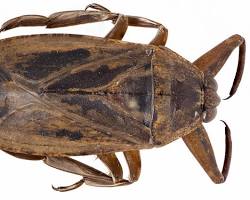
Giant Water Bugs (family Belostomatidae) are the largest true bugs in the world and among the most formidable aquatic insect predators found in freshwater ecosystems. These insects are famous for their large size, powerful grasping forelegs, painful defensive bite, and unique parental care behavior.
Commonly called “Toe-biters” or “Electric Light Bugs,” giant water bugs inhabit ponds, marshes, lakes, and slow-moving streams throughout tropical and temperate regions worldwide. Despite their intimidating appearance, these insects are highly beneficial predators that help regulate aquatic prey populations.
The nickname “Toe-biter” comes from their painful defensive bite, which may occur if a bug is accidentally stepped on or handled carelessly while wading barefoot in shallow water.
Quick Facts
- Family: Belostomatidae
- Order: Hemiptera
- Habitat: Freshwater ponds, marshes, streams, lakes
- Diet: Aquatic insects, fish, tadpoles, amphibians
- Status: Beneficial aquatic predator
- Size: 1 to over 4 inches long
- Activity: Mostly nocturnal
Taxonomy and Classification
Giant water bugs belong to the order Hemiptera, commonly known as the true bugs. Like other true bugs, they possess specialized piercing-sucking mouthparts adapted for feeding on liquid food sources.
They are classified within the family Belostomatidae, a group of large predatory aquatic insects found worldwide.
The genus Lethocerus contains the largest species, some exceeding 4 inches in length, making them the largest members of the order Hemiptera.
These insects undergo incomplete metamorphosis, meaning development occurs through:
- Egg
- Nymph
- Adult
Nymphs resemble smaller wingless adults and gradually develop through a series of molts.
Physical Description
Adult giant water bugs are large, oval-shaped, and flattened insects adapted for aquatic ambush hunting.
Coloration
Most species are dull brown, gray, or mottled tan, allowing excellent camouflage against mud, aquatic vegetation, and submerged debris.
Body Structure
The body is broad and flattened, helping the insect hide beneath vegetation or sediment while waiting for prey.
Adults range from approximately 1 inch to over 4 inches long depending on species.
Raptorial Forelegs
One of the most distinctive features is the pair of enlarged, grasping forelegs used to capture prey. These powerful limbs function similarly to the forelegs of praying mantises.
Piercing Beak
Giant water bugs possess a short, powerful beak called a rostrum. The beak is used to pierce prey and inject digestive saliva.
Respiratory Siphon
They breathe atmospheric air by extending two short appendages at the tip of the abdomen to the water surface, creating a snorkel-like breathing tube.
Paternal Care
In many species, females glue eggs directly onto the male’s back. The male then carries, protects, and aerates the developing eggs until they hatch.
This paternal care behavior is unusual among insects and has made giant water bugs important subjects of behavioral research.
Distribution and Habitat
Giant water bugs are distributed across tropical and temperate regions worldwide. They inhabit freshwater environments with calm or slow-moving water.
Preferred habitats include:
- Ponds
- Marshes
- Swamps
- Drainage ditches
- Lake edges
- Slow-moving streams
- Aquatic vegetation zones
They prefer areas containing submerged plants and debris where they can hide while ambushing prey.
Although aquatic, adult giant water bugs are strong fliers and frequently leave the water at night, especially during warm weather.
Behavior and Hunting
Giant water bugs are aggressive ambush predators that feed on a wide variety of aquatic animals.
Ambush Hunting
These insects typically remain motionless beneath vegetation or near the bottom until prey approaches.
Common prey includes:
- Aquatic insects
- Small fish
- Tadpoles
- Salamanders
- Small frogs
- Aquatic snails
- Even small snakes
When prey comes within reach, the bug rapidly seizes it with its powerful forelegs.
Digestive Feeding
After capturing prey, the giant water bug pierces it using the rostrum and injects digestive enzymes and saliva that liquefy internal tissues.
The insect then sucks out the partially digested fluids.
Conflict with Humans
Although giant water bugs do not actively attack humans, they will bite defensively if handled or trapped against the skin.
Defensive Bite
The bite is extremely painful and often compared to:
- A bee sting
- A wasp sting
- A sharp needle puncture
Despite the pain, the bite is not venomous and usually causes only temporary localized discomfort.
Attraction to Lights
Adult giant water bugs are strongly attracted to artificial lights at night. Porch lights, parking lot lights, and swimming pool lighting often attract flying adults.
This behavior explains the nickname “Electric Light Bugs.”
Ecological Importance
Giant water bugs are important predators within aquatic food webs.
Their ecological roles include:
- Controlling aquatic insect populations
- Regulating amphibian larvae
- Supporting biodiversity balance
- Serving as prey for birds and fish
Because they are top invertebrate predators in many freshwater habitats, they help maintain ecosystem stability.
Management and Prevention
Management focuses primarily on exclusion and safe handling rather than elimination.
Outdoor Lighting
- Reduce outdoor lighting near ponds or pools
- Use yellow or sodium vapor bulbs
- Shield lights downward
These changes may reduce attraction of flying adults.
Pool and Pond Removal
Bugs found in swimming pools or ornamental ponds should be carefully removed using nets or containers and released into nearby natural water sources.
Handle carefully to avoid defensive bites.
Avoid Chemical Treatments
Chemical control is generally discouraged because giant water bugs are beneficial predators and important components of aquatic ecosystems.
Conservation and Research
Researchers study giant water bugs for several reasons, including:
- Unique paternal care behavior
- Aquatic predator ecology
- Digestive enzyme biochemistry
- Aquatic ecosystem dynamics
In some cultures, giant water bugs are also used as food or flavoring ingredients.
Interesting Facts About Giant Water Bugs
- They are the largest true bugs in the world.
- Some species exceed 4 inches long.
- Males carry eggs on their backs.
- Their bite is painful but not dangerous.
- They are powerful predators capable of catching fish and frogs.