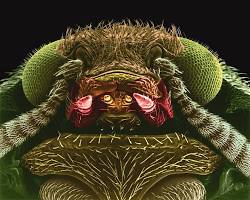
Overview
Fur Beetles are a type of dermestid beetle known for feeding on animal-based materials such as fur, wool, feathers, and leather. These insects are closely related to carpet beetles and are considered common household pests. While adult beetles are typically harmless, the larvae can cause significant damage to stored items and textiles.
These beetles are often found in homes, museums, and storage areas where natural fibers are present. Their ability to digest keratin allows them to feed on materials that many other insects cannot.
Fur beetles, most commonly referring to Attagenus pellio, are specialized members of the carpet beetle family Dermestidae. While the adult beetles are small, oval, and typically black in color—often found outdoors on flowers feeding on pollen—their larvae are the true pests. These larvae are highly destructive household invaders known for their ability to digest animal-based materials such as fur, feathers, wool, silk, and other keratin-rich substances.
Taxonomy and Classification
- Kingdom: Animalia (Animals)
- Phylum: Arthropoda (Arthropods)
- Class: Insecta (Insects)
- Order: Coleoptera (Beetles)
- Suborder: Polyphaga
- Superfamily: Bostrichoidea
- Family: Dermestidae (Skin or Carpet Beetles)
- Genus: Attagenus
- Species: Attagenus pellio (Common Fur Beetle)
Physical Description
The adult fur beetle is a small, oval insect with a smooth black body. In contrast, the larval stage is elongated, golden-brown, and covered in fine hairs. One of the most distinctive features of the larvae is a tuft of long hairs at the rear of the abdomen, which can be used as a defense mechanism.
Behavior and Damage
The pest status of fur beetles is defined by their larval feeding habits. Unlike clothes moths, which tend to graze across the surface of fabrics, fur beetle larvae feed at the base of fibers. This behavior results in:
- Irregular holes in wool and natural fabrics
- Patchy fur loss in garments or taxidermy
- Damage to carpets, blankets, and upholstery
In addition to textiles, fur beetle larvae may feed on:
- Dried insect collections
- Museum specimens and taxidermy
- Pet hair and dander
- High-protein pet food
This wide feeding range makes them a serious threat in both residential environments and institutions such as museums and archives.
Identification
- Small, oval beetles with varied coloration
- Larvae are hairy and elongated
- Damage appears as holes in fabrics
Habitat
Fur beetles prefer dark, undisturbed areas such as closets, carpets, and storage boxes.
Behavior and Damage
Larvae feed on natural fibers, causing damage to clothing and household materials.
Infestations can persist if food sources remain available.
Prevention and Control
Regular cleaning, vacuuming, and proper storage of fabrics are key to preventing infestations.