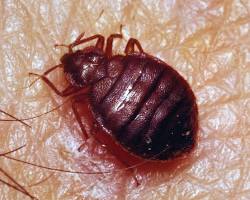
Flat Bugs are a group of highly flattened true bugs belonging primarily to the family Aradidae. These insects are commonly found beneath loose bark, within decaying wood, and in forest ecosystems where fungi and decomposing plant material are abundant. Their unusual flattened body shape allows them to move easily within narrow spaces under bark and inside rotting wood.
The term “Flat Bug” is sometimes used broadly and may occasionally cause confusion with Bed Bugs (family Cimicidae), which are parasitic blood-feeding insects. However, true Flat Bugs in the family Aradidae are entirely different. They are harmless fungivores and decomposers that do not bite humans, feed on blood, or damage structures. Most encounters with Flat Bugs occur when they are accidentally brought indoors on firewood or lumber. :contentReference[oaicite:0]{index=0}
Although their strange appearance may alarm homeowners, Flat Bugs are considered beneficial ecological insects because they help break down fungal growth and contribute to forest nutrient cycling.
Taxonomy and Classification
- Kingdom: Animalia
- Phylum: Arthropoda
- Class: Insecta
- Order: Hemiptera
- Suborder: Heteroptera
- Family: Aradidae
- Common Name: Flat Bugs
Flat Bugs belong to the order Hemiptera, commonly known as the true bugs. Like other Hemipterans, they possess piercing-sucking mouthparts adapted for liquid feeding.
The family name Aradidae originates from the type genus Aradus, formally described by entomologist Maximilian Spinola in 1837. The family contains more than 2,000 known species worldwide. Their extremely flattened shape is one of the most distinctive physical adaptations among true bugs and allows them to occupy habitats unavailable to many other insects. :contentReference[oaicite:1]{index=1}
Subfamilies and Genera
Several subfamilies and genera of Flat Bugs occur in different regions throughout the world. Some commonly recognized groups include:
- Aneurinae: Includes genera such as Aneurus and Iralunelus
- Aradinae: Includes Aradus and Quilnus
- Calisiinae: Includes Calisius
- Carventinae: Includes Acaricoris and Neoproxius
- Mezirinae: Includes Mezira, Neuroctenus, Brachyrhynchus, and others
Many species remain poorly studied because of their cryptic habits beneath bark and within decomposing wood.
Physical Description
Flat Bugs are among the most unusual-looking true bugs. Adults typically measure between 1/4 and 1/2 inch long and possess extremely flattened bodies that resemble pieces of bark or wood debris.
Key identifying characteristics include:
- Flattened oval or rectangular body shape
- Dull brown, gray, or black coloration
- Rugged or textured body surface
- Wide thorax and abdomen
- Long segmented antennae
- Piercing-sucking mouthparts
Their rough textured appearance provides excellent camouflage against bark surfaces and decaying wood. Many species appear almost bark-like in texture and color, making them difficult to detect in natural environments.
Nymphs resemble smaller wingless versions of adults and undergo gradual development through incomplete metamorphosis.
Distribution and Habitat
Flat Bugs are distributed worldwide and are especially common in forested habitats. They are most abundant where dead trees, fallen logs, and fungal growth are present.
Preferred habitats include:
- Under loose bark
- Dead or dying trees
- Rotting logs
- Decaying stumps
- Wood piles
- Forest litter
- Fungal growth zones
Because they rely on fungi associated with decaying wood, Flat Bugs are strongly tied to woodland ecosystems and nutrient recycling processes.
They occasionally enter homes accidentally when infested firewood or lumber is brought indoors. Heated indoor environments may stimulate activity, causing the insects to emerge from stored wood. :contentReference[oaicite:2]{index=2}
Behavior and Ecology
Flat Bugs are primarily nocturnal and secretive insects. During the day, they remain hidden beneath bark or within cracks in decaying wood. Their flattened bodies allow them to occupy spaces inaccessible to many predators.
Unlike predatory or blood-feeding true bugs, Flat Bugs are specialized fungivores. They feed mainly on fungal mycelium and microorganisms associated with decomposing wood.
Their ecological role includes:
- Feeding on fungal growth
- Assisting decomposition processes
- Contributing to nutrient cycling
- Supporting forest ecosystem health
By feeding on fungi within decaying timber, Flat Bugs help break down organic matter and accelerate decomposition.
These insects are harmless to people, pets, and structures. They do not bite, sting, or transmit diseases. :contentReference[oaicite:3]{index=3}
Life Cycle
Flat Bugs undergo incomplete metamorphosis with three main stages:
- Egg
- Nymph
- Adult
Females lay eggs within protected bark crevices or wood cavities. Nymphs hatch and resemble miniature adults without fully developed wings.
As nymphs grow, they molt several times before reaching adulthood. Development rates depend on temperature, humidity, fungal availability, and habitat conditions.
Because they inhabit relatively stable microhabitats beneath bark, Flat Bugs may remain hidden for much of their life cycle.
Human Interaction and Nuisance Issues
The primary interaction between humans and Flat Bugs occurs when infested firewood is brought indoors. As the wood warms, the insects may emerge and wander across walls, ceilings, or floors.
This indoor appearance often causes concern because of their unusual shape and resemblance to other household pests. However, Flat Bugs are strictly nuisance insects in indoor settings and cannot establish infestations within homes.
They do not:
- Feed on structural wood
- Attack furniture
- Bite humans or pets
- Infest stored food
- Reproduce indoors
Their indoor presence is temporary and usually associated with firewood storage during colder months. :contentReference[oaicite:4]{index=4}
Signs of Activity
- Flat brown bugs emerging from firewood
- Insects found near fireplaces or wood stoves
- Activity around stored lumber
- Flat bark-like insects under tree bark outdoors
- Occasional wandering insects indoors during winter
Management and Prevention
Control of Flat Bugs is rarely necessary because they are harmless and cannot infest homes permanently. Management focuses on exclusion and proper firewood handling.
Store firewood outdoors and away from the house foundation whenever possible. Avoid storing large amounts of wood indoors for extended periods. :contentReference[oaicite:5]{index=5}
Bring in only small amounts of firewood that will be burned quickly. This reduces the chance of insects emerging indoors.
Shake or brush firewood outdoors before bringing it inside to remove hidden insects beneath bark.
Seal gaps and screens around doors and windows to reduce accidental indoor entry from outdoor populations.
Vacuum or sweep indoors if Flat Bugs are found inside. Chemical insecticides are generally unnecessary because these insects do not reproduce indoors. :contentReference[oaicite:6]{index=6}
Ecological Importance
Flat Bugs are beneficial members of forest ecosystems. Their feeding activity contributes to the decomposition of dead wood and fungal growth, supporting nutrient recycling and ecological balance.
They also serve as prey for spiders, beetles, birds, and other woodland predators. Because of their specialized habitat and feeding habits, Flat Bugs are considered important indicators of forest health and decomposition processes.
Conservation and Research
Although not usually conservation targets themselves, Flat Bugs are studied for their evolutionary relationships, adaptation to bark habitats, and role in decomposition ecology. Researchers also examine their biodiversity in forest systems and their interactions with fungi and decaying wood communities.
Conclusion
Flat Bugs (family Aradidae) are harmless flattened true bugs that live beneath bark and feed on fungi associated with decaying wood. Although their unusual appearance may concern homeowners, they are beneficial decomposers rather than destructive pests. Most indoor encounters occur when Flat Bugs are accidentally brought inside on firewood. Since they do not bite, infest structures, or reproduce indoors, management usually involves simple firewood handling practices and occasional vacuuming rather than chemical control.