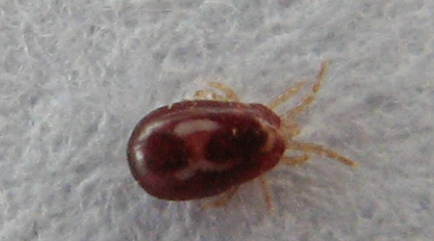
Feather Mites are a diverse group of microscopic arachnids that spend their entire lives living on the feathers of birds. Unlike blood-feeding parasitic mites such as the Red Mite, most Feather Mites are considered commensal or only mildly parasitic. They typically feed on feather oils, fungi, dead skin, organic debris, and microscopic material found within the plumage rather than directly feeding on blood or living tissue.
These mites are highly specialized organisms that have evolved alongside birds over millions of years. Many species are host-specific, meaning they are associated with only certain bird groups such as pigeons, parrots, waterfowl, poultry, or songbirds. Some Feather Mites even specialize in living on very specific parts of the feather structure, including the feather shaft, barbs, or barbules.
In most cases, Feather Mites exist in low numbers and do not significantly harm their hosts. However, under crowded conditions or when bird health declines, mite populations may increase dramatically and contribute to feather damage, irritation, stress, and excessive preening.
Taxonomy and Classification
- Kingdom: Animalia
- Phylum: Arthropoda
- Class: Arachnida
- Subclass: Acari
- Common Groups: Pterolichoidea and related feather mite superfamilies
- Common Name: Feather Mites
Feather Mites belong to the subclass Acari, which also includes ticks and other mites. Thousands of feather mite species exist worldwide, making them one of the most diverse groups of bird-associated arthropods.
These mites undergo simple metamorphosis through several developmental stages:
- Egg
- Larva
- Protonymph
- Deutonymph
- Adult
Because of their close evolutionary relationship with birds, many feather mite species are considered highly specialized symbionts. Researchers often study them to understand bird evolution, migration, and ecological relationships.
Physical Description
Feather Mites are extremely small, usually measuring less than 1 millimeter in length. Most species require magnification or microscopic examination for proper identification.
Adults are eight-legged arachnids with soft translucent or whitish bodies. Their appearance varies depending on species and the exact location they inhabit on the bird’s feathers.
Important physical characteristics include:
- Tiny oval or elongated body shape
- Translucent white or pale coloration
- Specialized claws or suckers
- Modified legs for gripping feathers
- Flattened bodies adapted to feather surfaces
Many species possess remarkable structural adaptations that allow them to cling tightly to feather barbules even during flight, grooming, or rain exposure.
Under magnification, some species appear highly ornate with elongated appendages or complex gripping structures specialized for their feather habitat.
Distribution and Habitat
Feather Mites are cosmopolitan and occur worldwide on wild and domestic birds. Virtually every major bird group may host its own specialized feather mite species.
Their habitat is the plumage of birds, especially:
- Flight feathers
- Tail feathers
- Wing feathers
- Down feathers
- Feather shafts
- Feather barbules
Because they spend their entire life cycle on the host bird, Feather Mites depend heavily on direct bird-to-bird contact for transmission. In nature, mites spread during mating, nesting, parental care, flocking behavior, or communal roosting.
In poultry facilities, aviaries, pet bird collections, and breeding environments, close confinement can greatly increase transmission rates.
Behavior and Ecology
Feather Mites are permanent ectosymbionts, meaning they live externally on birds throughout their entire lives. Most species spend nearly all of their time hidden among feather structures where they are protected from environmental conditions and grooming behavior.
Their diet usually includes:
- Feather oils
- Dead skin cells
- Organic debris
- Fungal spores
- Microorganisms
- Damaged feather material
Unlike parasitic mites that pierce skin and feed on blood, most Feather Mites consume material naturally present within the plumage. Because of this, many scientists consider them more commensal than truly parasitic.
Some researchers even suggest that low populations may provide mild cleaning benefits by removing excess organic material from feathers.
Mites reproduce directly on the host bird, with females laying eggs attached to feathers. Under favorable conditions, populations may grow rapidly.
Life Cycle
The Feather Mite life cycle occurs entirely on the bird host. Eggs are attached to feathers or hidden among feather structures where humidity and protection are favorable.
After hatching, larvae progress through multiple immature stages before becoming adults. Development speed depends on:
- Temperature
- Humidity
- Host grooming behavior
- Bird health
- Population density
Because mites remain on the host throughout development, transmission generally requires direct physical contact between birds.
Effects on Birds
Most birds naturally carry small numbers of Feather Mites without serious health consequences. Problems typically occur only when populations become excessive or when birds are stressed, sick, overcrowded, or immunocompromised.
Potential effects include:
- Feather damage
- Ragged plumage
- Dusty feather appearance
- Excessive preening
- Restlessness
- Feather-plucking behavior
- Stress-related feather loss
In wild birds, severe feather damage may reduce flight efficiency, insulation, waterproofing, or mating displays.
In poultry and captive birds, heavy infestations may contribute to chronic irritation and poor feather condition.
Signs of Infestation
- Dusty or damaged feathers
- Birds preening excessively
- Ragged flight feathers
- Visible feather debris
- Feather chewing or plucking
- Microscopic mites visible under magnification
Because Feather Mites are extremely small, infestations are often diagnosed through microscopic examination of feathers by veterinarians or avian specialists.
Management and Prevention
Management is usually unnecessary unless birds develop heavy infestations or signs of stress and feather damage.
Isolate new birds before introducing them into aviaries, poultry flocks, or breeding collections. Quarantine helps reduce the accidental spread of mites between birds.
Provide dust baths for poultry and outdoor birds when appropriate. Dust bathing naturally helps reduce external parasites and debris.
Maintain clean housing by reducing overcrowding, controlling humidity, and cleaning cages, perches, and nesting materials regularly.
Improve bird health through proper nutrition and stress reduction. Healthy birds generally tolerate low mite populations better than weakened birds.
Veterinary acaricides may be used for severe infestations in pet birds or commercial settings. Treatment should only occur under veterinary supervision because some chemicals may be toxic to birds if used improperly.
Human Interaction
Feather Mites are not considered dangerous to humans. They do not infest people, feed on human blood, or survive long away from bird hosts.
Although they may occasionally transfer temporarily during handling of birds or feathers, they cannot establish infestations on humans or household pets.
Conservation and Research
Feather Mites are important organisms in ecological and evolutionary research. Because many species are highly host-specific, scientists use them to study bird evolution, migration routes, co-evolution, and biodiversity.
Researchers also examine how feather mites interact with plumage health and whether certain species may provide cleaning benefits to birds under natural conditions.
In poultry and aviculture, research focuses on improving safe management practices, minimizing stress-related outbreaks, and reducing unnecessary chemical treatments.
Conclusion
Feather Mites are microscopic arachnids that live permanently on the feathers of birds worldwide. Most species are harmless or only mildly parasitic, feeding primarily on feather oils, debris, fungi, and organic material rather than blood or living tissue. Although small populations are common and usually harmless, heavy infestations may contribute to feather damage, irritation, and excessive preening in poultry and captive birds. Proper sanitation, bird quarantine, stress reduction, and veterinary guidance help manage problematic infestations while preserving healthy plumage and bird welfare.