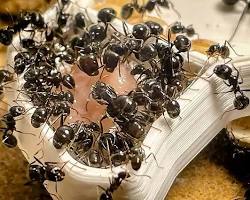
Exotic Ant Species refers to non-native ants that have been introduced outside of their natural geographic range, usually through international trade, shipping, agriculture, and human transportation. Many exotic ants have become highly invasive pests capable of disrupting ecosystems, damaging agriculture, invading homes, and threatening human health. Some of the most destructive invasive ants include the Red Imported Fire Ants, Argentine Ants, and Crazy Ant species.
Unlike many native ants that exist within balanced ecosystems, invasive exotic ants often spread rapidly because they escape the predators, parasites, and diseases that naturally controlled them in their native habitats. Their ability to form enormous colonies and aggressively outcompete native insects makes them among the most important invasive pests worldwide.
Taxonomy and Classification
Exotic ants belong to the family Formicidae within the order Hymenoptera, which also includes bees and wasps.
Thousands of ant species exist globally, but only a relatively small number have become major invasive pests. The most problematic species tend to share several characteristics:
- Large colony sizes
- Multiple queens within a colony
- Aggressive territorial behavior
- Rapid reproduction
- Strong adaptability to human environments
- Ability to spread through transported materials
Some invasive species form massive interconnected supercolonies, where multiple nests cooperate rather than compete with one another.
Common Exotic Ant Species
Several exotic ant species are considered major pests worldwide.
- Red Imported Fire Ant (Solenopsis invicta) – Aggressive stinging ant known for painful venomous stings and large mounds.
- Argentine Ant (Linepithema humile) – Forms enormous colonies that invade structures and displace native ants.
- Crazy Ants (Paratrechina and Nylanderia species) – Fast-moving ants known for erratic movement and electrical infestations.
- Bigheaded Ants (Pheidole megacephala) – Highly invasive tropical ants that damage ecosystems.
- Yellow Crazy Ants (Anoplolepis gracilipes) – One of the world’s worst invasive insects.
- Pharaoh Ants (Monomorium pharaonis) – Indoor pest associated with hospitals and commercial structures.
Physical Description
Exotic ants vary greatly in appearance depending on the species. Most are relatively small, ranging from 2 to 6 millimeters in length, though larger invasive species also occur.
Common identifying characteristics include:
- Segmented antennae
- Narrow waist (petiole)
- Strong mandibles
- Brown, black, yellow, or reddish coloration
- Distinctive worker castes in some species
Many invasive ants are difficult to identify without magnification because several species appear superficially similar.
Distribution and Spread
Exotic ant species are now distributed throughout much of the world due to human commerce and transportation.
They commonly spread through:
- Potted plants and nursery stock
- Shipping containers
- Soil movement
- Construction materials
- Agricultural products
- Vehicles and machinery
Warm climates, urban environments, irrigated landscapes, and disturbed habitats are especially vulnerable to invasive ant establishment.
Habitat
Exotic ants occupy a wide variety of habitats including:
- Lawns
- Gardens
- Agricultural fields
- Forests
- Parks
- Homes and commercial buildings
- Electrical equipment
- Sidewalk cracks and pavement edges
Many invasive ants prefer moist environments but can adapt to surprisingly harsh conditions.
Behavior and Colony Structure
Exotic ants are eusocial insects with highly organized colony systems. Colonies include queens, workers, brood, and reproductive males.
Several invasive species possess multiple queens within a single colony. This characteristic allows rapid colony expansion and makes eradication difficult.
Many exotic ants spread through a process called budding, where a portion of the colony breaks away to establish a nearby nest while remaining connected to the larger colony network.
Some invasive ants are extremely aggressive toward native ant species and can eliminate local insect populations entirely.
Damage and Economic Impact
Exotic ants are responsible for extensive environmental and economic damage worldwide.
Structural and Household Problems
- Invading kitchens and food storage areas
- Nesting inside walls and insulation
- Contaminating food products
- Infesting hospitals and commercial facilities
Agricultural Damage
- Protecting aphids and scale insects from predators
- Increasing plant pest populations
- Damaging irrigation systems and crops
- Interfering with harvesting operations
Ecological Damage
- Displacing native ants
- Reducing biodiversity
- Disrupting food webs
- Predation on native insects, reptiles, and birds
Human Health Risks
- Painful stings from fire ants
- Allergic reactions and anaphylaxis
- Psychological stress from indoor infestations
- Contamination concerns in medical facilities
Electrical and Infrastructure Damage
Some exotic ant species are notorious for invading electrical equipment.
Crazy ants and related species may infest:
- Air conditioning systems
- Electrical panels
- Computers
- Traffic control systems
- Utility boxes
Large infestations can cause short circuits, equipment failures, and expensive repairs.
Management and Prevention
Managing exotic ants often requires long-term integrated pest management strategies.
Sanitation
- Clean food spills promptly
- Store food in sealed containers
- Reduce moisture around structures
- Eliminate outdoor debris and harborage
Exclusion
- Seal cracks and entry points
- Trim vegetation away from structures
- Repair damaged screens and weather stripping
Baiting Programs
Slow-acting ant baits are usually the most effective control method because workers carry toxic bait back to queens and developing brood.
Professional Control
Large infestations often require professional pest management services, particularly for fire ants and supercolony-forming species.
Biological Control and Research
Researchers continue to investigate biological control methods for invasive ants, including:
- Parasitic flies
- Pathogenic fungi
- Species-specific toxic baits
- Pheromone disruption technologies
Climate change and global trade continue to increase the spread of exotic ants into new regions, making invasive ant management an important global concern.
Conclusion
Exotic ant species are among the world’s most successful and destructive invasive pests. Their adaptability, aggressive colony behavior, and ability to spread rapidly allow them to dominate ecosystems, damage agriculture, invade homes, and threaten human health. Effective management depends on early detection, long-term monitoring, exclusion, and integrated pest management strategies designed to suppress entire colonies rather than individual workers.