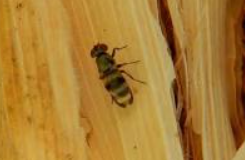
Euxesta Corn Flies are flies in the genus Euxesta that are known for attacking corn, especially sweet corn. These insects belong to the picture-winged fly family and are considered important agricultural pests in some corn-producing regions. Several species, including Euxesta stigmatias and related species, are associated with corn ears, silks, and damaged plant tissue.
Unlike household nuisance flies, Euxesta corn flies are primarily agricultural pests. Adults are often attracted to corn plants during the silking stage, where they lay eggs. The larvae feed within corn ears and may contribute to contamination, feeding injury, and increased susceptibility to fungal infection. In commercial production, infestations can significantly reduce crop quality and marketability.
Taxonomy and Classification
- Order: Diptera
- Family: Ulidiidae
- Genus: Euxesta
- Common Group: Corn Flies
Physical Description
Adult Euxesta flies are small to medium-sized, typically measuring between 4 and 8 millimeters in length. They have dark bodies and distinctive patterned wings, which is why they are often grouped with picture-winged flies.
The larvae are pale, legless maggots that develop within corn ears and damaged plant tissues.
Distribution and Habitat
Euxesta corn flies are found in warmer agricultural regions, especially where sweet corn is grown intensively. They are commonly associated with:
- Sweet corn fields
- Field corn production areas
- Warm, humid agricultural environments
- Areas with wounded or exposed plant tissue
Behavior and Damage
Adult females lay eggs on fresh corn silks or in openings near the ear. After hatching, larvae feed inside the ear, contaminating kernels and creating direct feeding damage.
Damage may include:
- Larvae inside ears of corn
- Contaminated kernels
- Silk feeding injury
- Increased fungal or bacterial spoilage
- Reduced market value of sweet corn
Because the larvae develop in protected areas of the plant, these pests can be difficult to manage once established.
Management and Prevention
Effective management usually depends on careful monitoring and timing. Recommended practices include:
- Monitor adult fly activity during silking
- Harvest promptly when corn matures
- Reduce nearby plant debris and alternative breeding sites
- Use integrated pest management strategies in commercial fields
In large-scale production, growers may combine monitoring with targeted treatments and sanitation practices. These insects are considered significant agricultural pests where infestations are persistent.