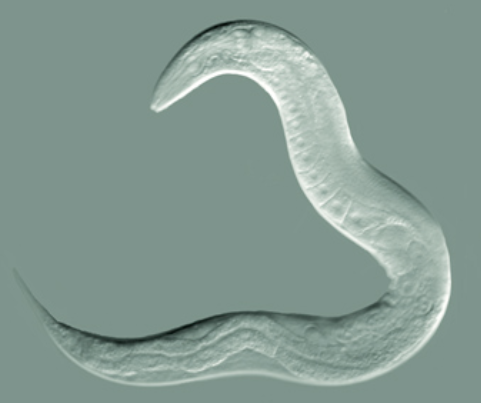
Eelworms is a traditional term used to describe certain microscopic nematodes (phylum Nematoda), particularly plant-parasitic species that resemble tiny, slender eels in shape. These organisms are among the most economically important agricultural pests worldwide. Plant-parasitic eelworms attack crops by feeding on roots, stems, or leaves, leading to stunted growth, reduced yields, and, in severe infestations, plant death. Although many nematodes are beneficial or neutral, parasitic species are highly specialized and destructive.
Taxonomy and Classification
Eelworms belong to the phylum Nematoda, a vast group of unsegmented roundworms that includes both free-living and parasitic species. Plant-parasitic nematodes are not insects but microscopic worms adapted to feeding on plant tissues.
Important genera include:
- Root-Knot Nematodes (Meloidogyne) – cause root galls
- Cyst Nematodes (Heterodera, Globodera) – form protective cysts in soil
- Lesion Nematodes (Pratylenchus) – create root lesions and decay
These nematodes undergo simple development stages rather than the complex metamorphosis seen in insects.
Physical Description
Plant-parasitic eelworms are extremely small, typically measuring less than 2 mm in length and invisible to the naked eye. They are cylindrical, transparent, and tapered at both ends, giving them a thread-like appearance.
Their most important anatomical feature is the stylet, a needle-like mouthpart used to pierce plant cells and extract nutrients. This feeding method causes significant cellular damage and disrupts normal plant function.
Because the nematodes themselves are rarely seen, infestations are usually identified by plant symptoms, including:
- Root galls or knots caused by root-knot nematodes
- Chlorosis (yellowing) and stunted growth
- Root lesions and decay
- Wilting even when soil moisture is adequate
Distribution and Habitat
Eelworms are found worldwide in nearly all soil environments. Plant-parasitic species are especially common in agricultural soils, gardens, and greenhouse systems. They thrive in moist, sandy soils where water films allow them to move easily between soil particles.
Their habitat is typically the root zone of host plants, although some species also inhabit stems, leaves, or seeds. Because they rely on water for movement, their populations are strongly influenced by soil moisture conditions.
Behavior and Life Cycle
The eelworm life cycle consists of egg, four juvenile stages (J1–J4), and adult. Under warm conditions, the entire cycle can be completed in as little as three weeks, allowing populations to increase rapidly.
Nematodes spread through:
- Movement of contaminated soil
- Water runoff and irrigation systems
- Infested planting material
- Agricultural equipment
Some species survive adverse conditions by entering a dormant state or forming protective cysts that can persist in soil for years.
Feeding and Plant Damage
Eelworms feed by inserting their stylet into plant cells and withdrawing nutrients. This feeding disrupts normal plant processes and can lead to significant physiological stress.
- Root damage: Reduced ability to absorb water and nutrients
- Gall formation: Abnormal swelling that interferes with root function
- Cell destruction: Leading to lesions and decay
- Growth suppression: Resulting in poor plant vigor and yield
In some cases, nematodes also create entry points for fungal and bacterial pathogens, contributing to complex plant diseases.
Damage and Economic Impact
Plant-parasitic eelworms are responsible for billions of dollars in agricultural losses each year. Their impact includes:
- Reduced crop yields and lower product quality
- Increased susceptibility to secondary diseases
- Trade restrictions due to quarantine pests such as potato cyst nematodes
- Higher production costs for management and control
Management and Prevention
Controlling eelworms is challenging due to their microscopic size and soil-based lifestyle. Effective management typically requires an integrated approach.
- Crop Rotation: Planting non-host crops reduces nematode populations
- Resistant Varieties: Using nematode-resistant plant cultivars
- Soil Management: Improving soil health to suppress nematode activity
- Nematicides: Chemical treatments, though limited by environmental concerns
- Biological Control: Beneficial fungi and bacteria that attack nematodes
Conservation and Research
Eelworms are a major focus of research in agriculture and soil science. Scientists are working to develop sustainable control strategies, including biological control agents and resistant crop varieties. Advances in precision agriculture are also improving the ability to detect and manage nematode populations more effectively.