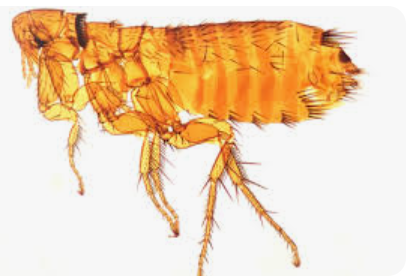
Ectoparasitic Mites are a diverse group of microscopic arthropods that live on the exterior surfaces of animals, feeding on blood, lymph, skin cells, or feathers. These mites are significant pests of livestock, poultry, pets, and wildlife, and are responsible for a range of conditions collectively known as mange or scabies. Infestations can lead to severe irritation, hair or feather loss, reduced productivity, and increased susceptibility to disease. Due to their rapid reproduction and ease of transmission, ectoparasitic mites are of major economic and veterinary importance worldwide.
Taxonomy and Classification
Ectoparasitic mites belong to the class Arachnida and subclass Acari, which also includes ticks. Several important groups are recognized based on their biology and feeding behavior:
- Sarcoptiformes (Mange Mites): Includes burrowing mites such as Sarcoptes and surface feeders like Psoroptes, both of which cause severe skin conditions.
- Mesostigmata (Blood-feeding Mites): Includes species such as Ornithonyssus and Dermanyssus, which feed on blood and are common in poultry systems.
Unlike ticks, mites generally have a fused body structure and are much smaller in size. They undergo simple metamorphosis consisting of egg, larva, nymph, and adult stages.
Physical Description
Ectoparasitic mites are extremely small, usually less than 1 millimeter in length, and often invisible to the naked eye. They are typically translucent or pale in color and have an oval or worm-like body shape. Adult mites possess four pairs of legs.
Different types of mites exhibit distinct physical adaptations:
- Burrowing Mites: Rounded bodies with short legs, adapted for tunneling into skin layers.
- Surface Mites: Longer legs for movement through hair or feathers, often visible as tiny moving specks.
- Blood-feeding Mites: May appear red or dark after feeding, particularly in species that infest birds.
Distribution and Habitat
Ectoparasitic mites are found worldwide and occur wherever suitable animal hosts are present. Their primary habitat is the outer body of the host, including skin, hair follicles, and feathers. Some species also inhabit the surrounding environment, such as bedding, nests, or cracks in animal housing, and only visit the host to feed.
Behavior and Life Cycle
The life cycle of ectoparasitic mites is typically rapid, often completed within one to four weeks under favorable conditions. Females lay eggs on or near the host, and the developing larvae and nymphs begin feeding soon after hatching.
Transmission occurs primarily through direct contact between hosts, but mites can also spread via contaminated environments such as bedding, grooming tools, or enclosures. High-density animal populations, such as those found in barns or kennels, facilitate rapid infestations.
Feeding activity causes intense itching (pruritus), leading animals to scratch, rub, or groom excessively. This behavior damages the skin and often results in secondary infections, compounding the effects of infestation.
Damage and Economic Impact
Ectoparasitic mites have significant impacts on animal health and agricultural productivity:
- Livestock and Poultry: Infestations lead to weight loss, decreased feed efficiency, reduced milk or egg production, and damaged hides or feathers.
- Pets: Conditions such as sarcoptic mange and demodectic mange can cause severe skin disease, requiring veterinary care.
- Disease Transmission: Some mites can act as mechanical vectors for pathogens, contributing to the spread of infectious diseases.
Management and Prevention
Effective management requires treating both the host and the environment to prevent reinfestation.
- Acaricides: Treatments include topical sprays, dips, pour-on products, or systemic medications designed to eliminate mites at various life stages.
- Accurate Diagnosis: Veterinary identification using skin scrapings is essential for selecting appropriate treatments.
- Sanitation: Cleaning and disinfecting animal housing, bedding, and equipment helps reduce environmental populations.
- Quarantine: Isolating and treating new or affected animals prevents spread to healthy populations.
Conservation and Research
Ectoparasitic mites are managed as significant economic pests in agriculture and veterinary medicine. Ongoing research focuses on developing new acaricides to combat resistance, improving understanding of host immune responses, and designing integrated pest management (IPM) strategies that reduce reliance on chemical treatments while maintaining animal health and productivity.