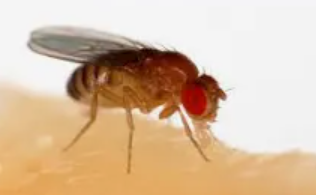
Drosophila Flies (genus Drosophila), commonly known as fruit flies or vinegar flies, are small nuisance flies strongly attracted to fermenting fruit, vegetables, sugary liquids, and decaying organic residues. They are common pests in homes, restaurants, grocery stores, bars, breweries, and food processing facilities.
Although they do not bite or damage structures, Drosophila flies are important sanitation pests because they reproduce rapidly and can spread spoilage microorganisms from dirty breeding sites to food-contact areas.
Taxonomy and Classification
- Common Names: Drosophila Flies, Fruit Flies, Vinegar Flies
- Genus: Drosophila
- Family: Drosophilidae
- Order: Diptera
- Type: Fermentation-breeding nuisance fly
The best-known species is Drosophila melanogaster, a small fruit fly that has been used for more than a century as a model organism in genetics and biology. Drosophila flies undergo complete metamorphosis, developing through egg, larva, pupa, and adult stages.
Identification and Physical Description
Adult Drosophila flies are tiny, usually about 1/8 inch long. They are yellowish-brown to tan and are best recognized by their bright red eyes.
Key identifying features include:
- Small tan body
- Bright red eyes
- Slow, hovering flight
- Frequent activity around fruit, drains, bottles, and garbage areas
They may be confused with phorid flies, fungus gnats, or drain flies. Drosophila flies tend to hover around fermenting food sources and move more slowly than the quick, erratic phorid fly.
The larvae are small, white, cylindrical maggots that live inside moist, fermenting material. Pupae are brown and may be found near the breeding source, often on dry edges of containers or nearby surfaces.
Distribution and Habitat
Drosophila flies are found worldwide. Indoors, they are most common wherever fermenting organic matter is present.
Common breeding sites include:
- Overripe fruit and vegetables
- Sticky residues in recycling bins
- Beer, wine, soda, and juice spills
- Garbage disposals and drain buildup
- Dirty mop buckets and floor drains
- Bar mats, drip trays, and beverage lines
- Trash cans and compost containers
They are especially common during warm weather, when fruit ripens quickly and microbial fermentation accelerates.
Behavior and Life Cycle
Drosophila flies are among the fastest-reproducing household pests. Under favorable conditions, the entire life cycle can be completed in as little as 7 to 10 days.
The life cycle includes:
- Egg Stage: Females lay eggs on fermenting food or moist organic residue.
- Larval Stage: Maggots feed on yeasts, bacteria, and decaying matter.
- Pupal Stage: Larvae move to a drier area and pupate.
- Adult Stage: Adults emerge, mate, and begin laying eggs quickly.
A single overlooked breeding source, such as a forgotten piece of fruit, a dirty drain, or residue in a recycling bin, can produce a large infestation in a short time.
Feeding and Sanitation Concerns
Drosophila flies feed on fermenting sugars and the microorganisms growing on them. They are not wood pests, fabric pests, or biting insects.
Their main concerns include:
- Food Contamination: Adults may land on food preparation surfaces.
- Egg-Laying: Females deposit eggs on fermenting or exposed food.
- Microorganism Transfer: Flies can carry spoilage yeasts and bacteria.
- Customer Complaints: Infestations in restaurants or bars can signal poor sanitation.
Because they breed in hidden residues, adult flies may remain present even after visible fruit is removed.
Management and Control
Successful control depends on finding and removing the breeding source. Killing adult flies alone will not solve the infestation.
| Strategy | Purpose | Benefit |
|---|---|---|
| Source Elimination | Remove rotting fruit, spills, and organic residues | Stops reproduction |
| Drain Cleaning | Clean garbage disposals, floor drains, and sink drains | Removes hidden breeding material |
| Food Storage | Refrigerate or cover fruit and produce | Prevents egg-laying |
| Vinegar Traps | Use apple cider vinegar with a drop of dish soap | Captures adults for monitoring and reduction |
In commercial kitchens, control often requires detailed cleaning under equipment, around beverage stations, beneath bar mats, inside trash containers, and around drains.
Prevention
- Store ripe fruit in the refrigerator.
- Empty trash and recycling bins regularly.
- Rinse bottles and cans before recycling.
- Clean drains, garbage disposals, and drip trays.
- Do not leave mop heads or wet towels standing in dirty water.
- Wipe up sugary spills immediately.
Consistent sanitation is the most effective long-term prevention method.
Conservation and Research
While Drosophila flies are nuisance pests in homes and food facilities, Drosophila melanogaster is one of the most important organisms in biological research. It has contributed to major discoveries in genetics, heredity, development, behavior, and disease modeling.
Research involving pest management focuses on sanitation, monitoring tools, and improved control strategies for food service and food processing environments.
Related Articles
Conclusion
Drosophila flies are small but persistent sanitation pests that thrive wherever fermenting food residue is available. Their rapid life cycle allows infestations to grow quickly from a single overlooked breeding source.
Effective control requires source removal, thorough cleaning, and proper food storage. With consistent sanitation and monitoring, Drosophila fly infestations can be eliminated and prevented in homes, restaurants, and food handling facilities.